Last updated November 22, 2026
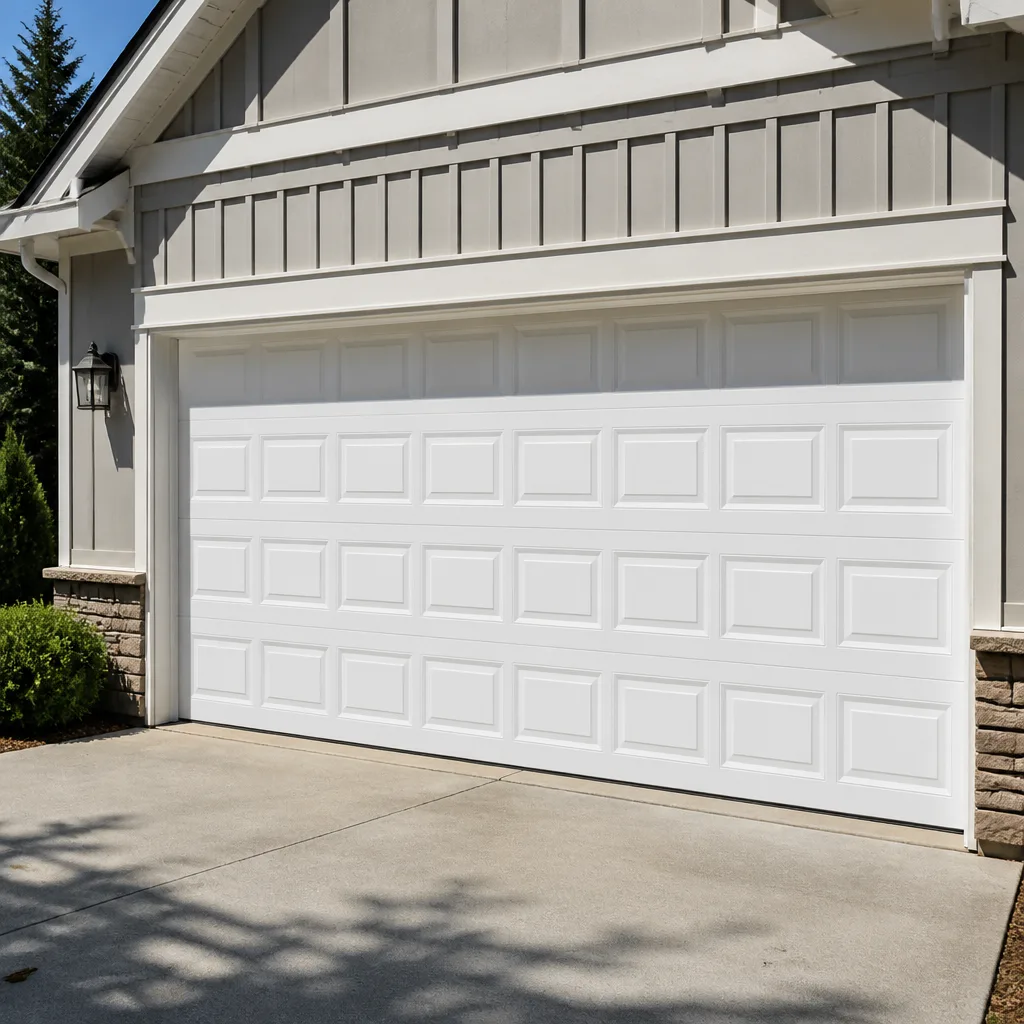 Raised-panel steel
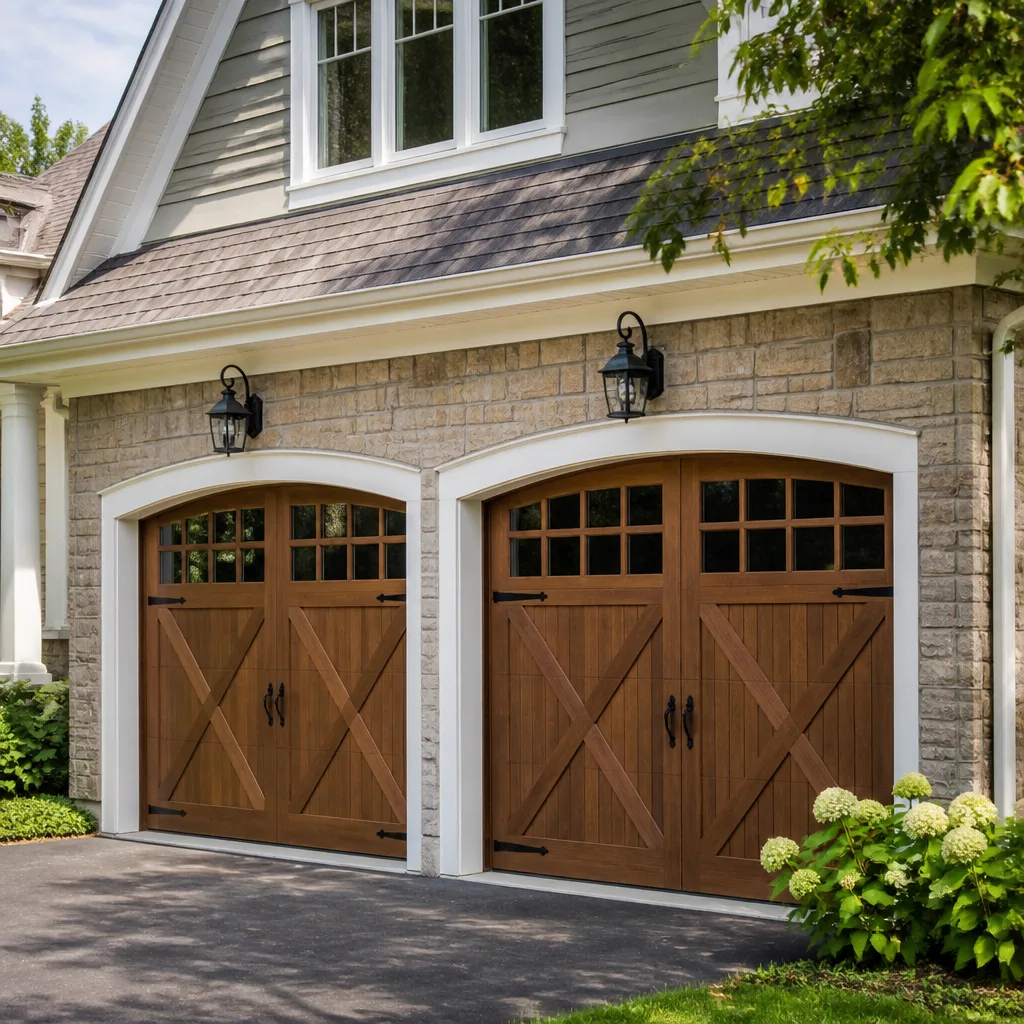 Carriage house
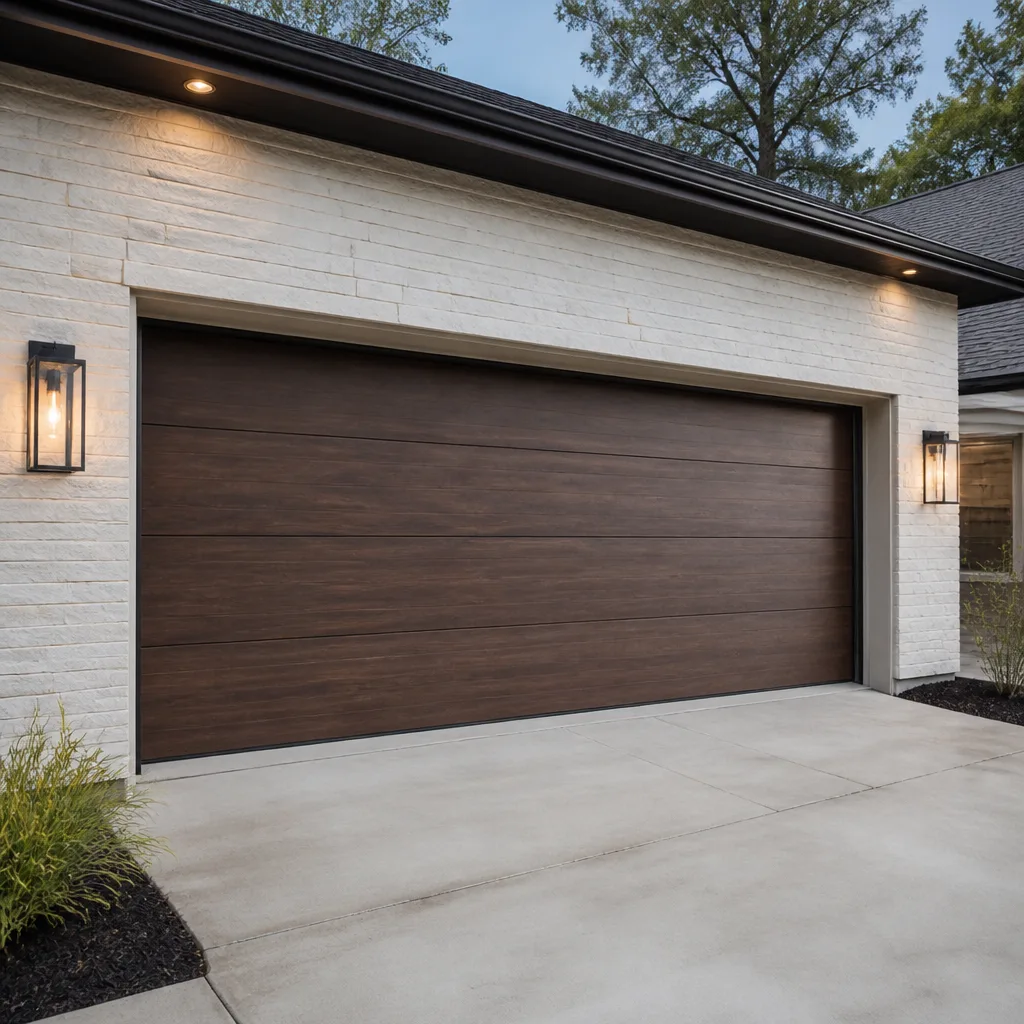 Modern flush
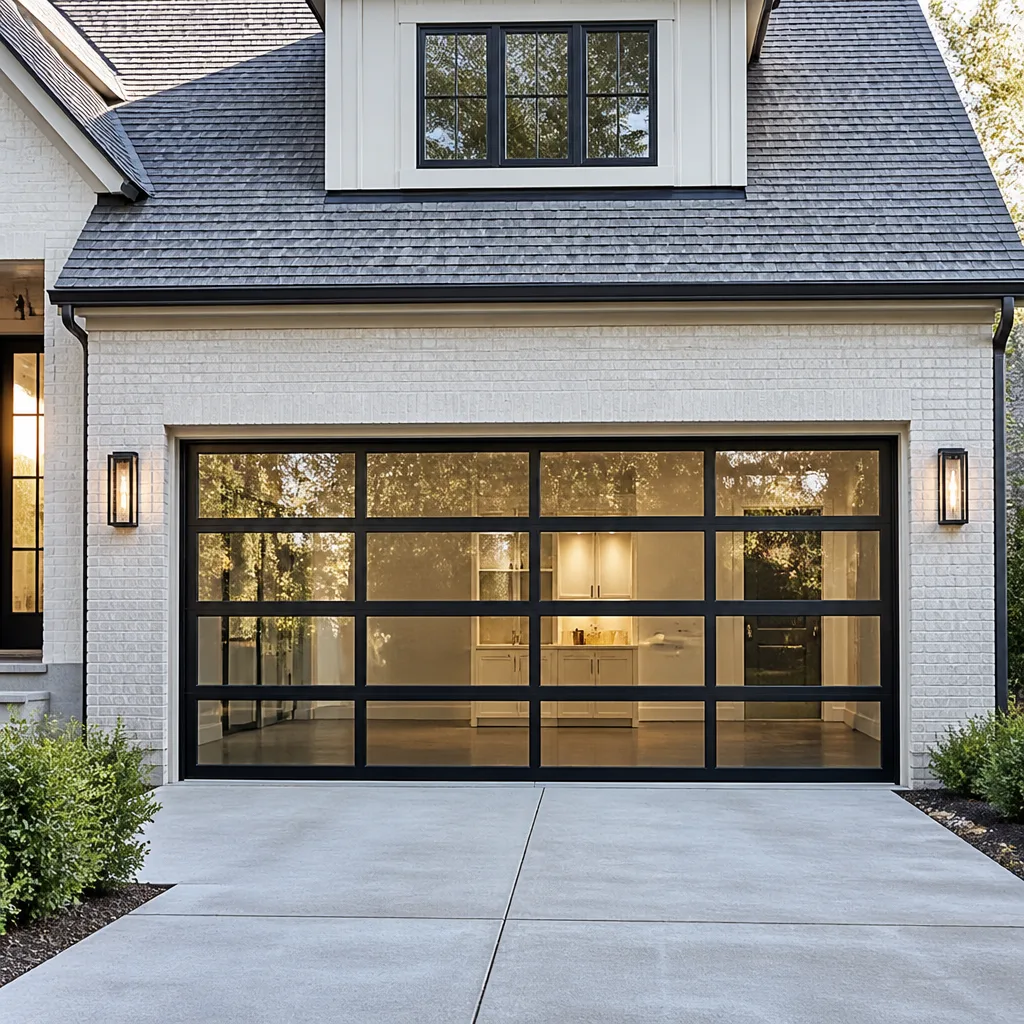 Full-view glass
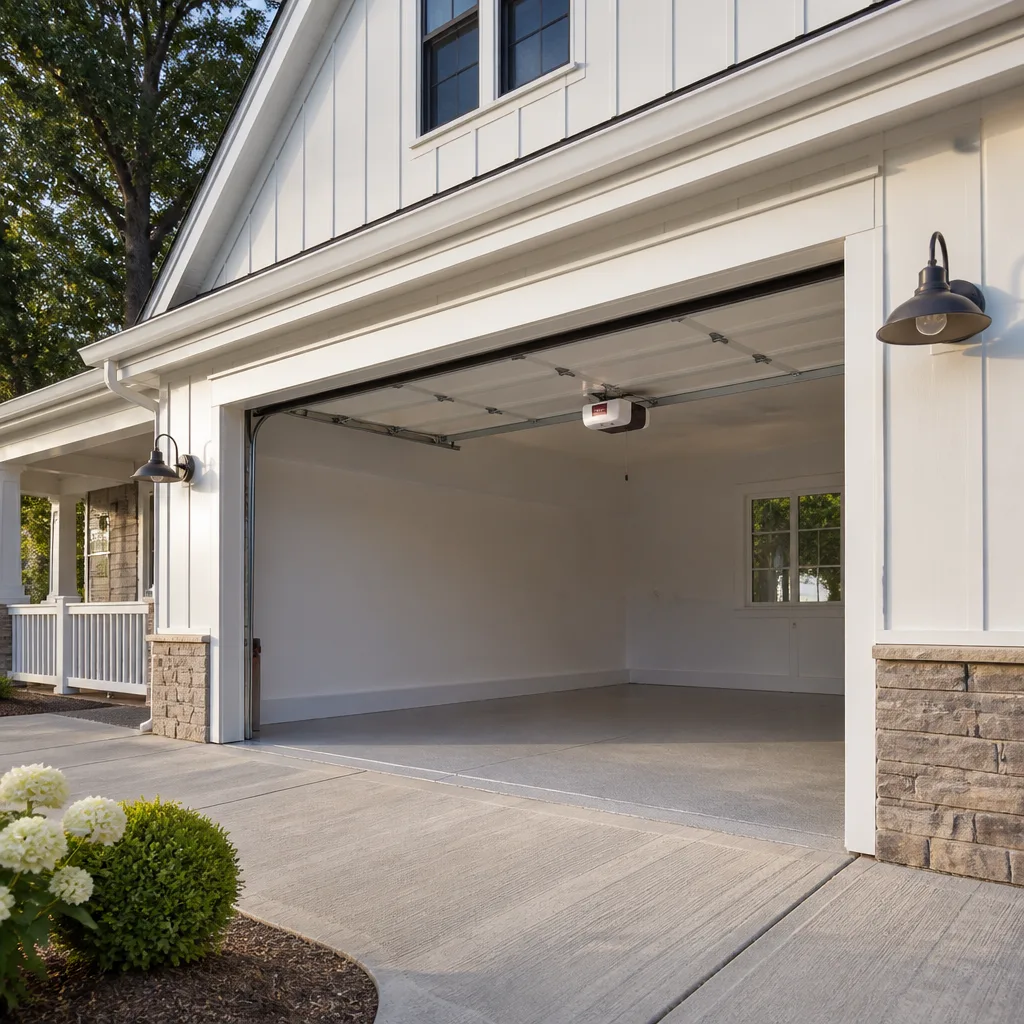 LiftMaster openers
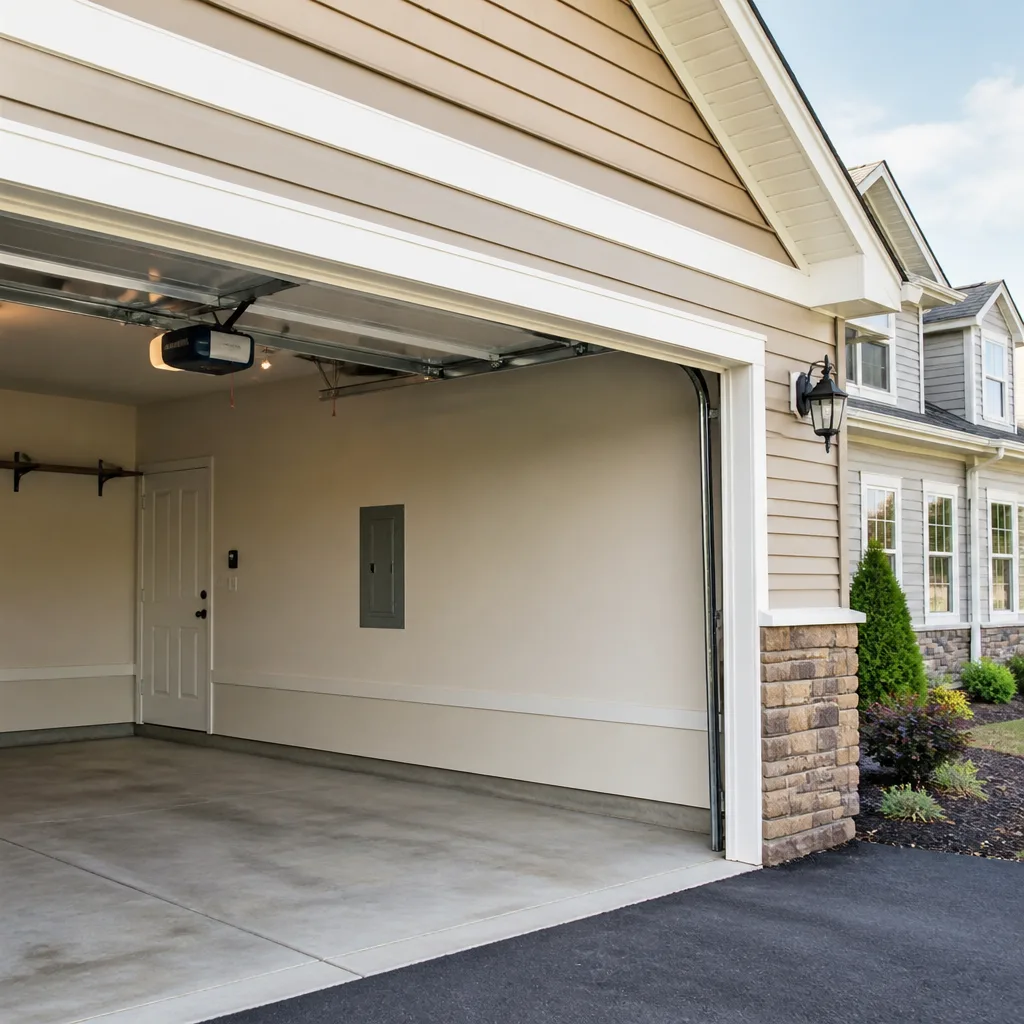 Chamberlain openers
Full 25-point door and opener safety check with every visit - springs, cables, rollers, tracks, and your LiftMaster or Chamberlain opener included
You get a price before we start. It does not change when the pro arrives.
Get your free estimateSeasonal Garage Door Care for Taunton: Year-Round Homeowner’s Guide
Most homeowners service the garage door in spring, when the weather is finally pleasant, and then forget about it until something breaks. The problem is that the failure rarely starts in spring. Metal springs are under constant tension, and when New England temperatures drop in January, that steel contracts, tightening a spring that was already borderline the previous October. The result is a noise, a snap, and a car trapped inside. This guide maps what each of Taunton’s four seasons does to your door and its operator, then hands you the specific maintenance action that prevents the failure. You’ll get a month-by-month calendar, not a vague twice-a-year reminder.
Styles & brands we work with
- Raised-panel steel
- Carriage house
- Modern flush
- Full-view glass
- LiftMaster openers
- Chamberlain openers
Quick Answer
Seasonal garage door maintenance in Taunton means matching each season’s mechanical stress to a specific task: seal the bottom weatherstrip before frost in fall, switch to cold-rated lubricant and free a stuck door manually in winter, inspect hardware after freeze-thaw heaves in spring, and check panels for UV damage in summer. A short monthly check plus two deeper inspections a year catches nearly every problem before it strands your car.
Table of Contents
- Why Seasonal Care Matters More in Taunton Than Most Homeowners Realize
- Fall: Sealing the Door Before the First Hard Frost
- Winter: Cold-Weather Lubricants and a Frozen Door
- Spring: What Freeze-Thaw Cycles Do to Your Hardware
- Summer: UV Damage on Fiberglass and Wood Composite Panels
- Your Month-by-Month Action Calendar
- Brand-Specific Notes: Genie, Clopay, Amarr, and Wayne Dalton
- Common Mistakes to Avoid
- When to Call a Professional
Why Seasonal Care Matters More in Taunton Than Most Homeowners Realize
Taunton sits in a climate with four genuinely different seasons, and each one stresses a different part of the garage door system. That’s the core idea behind this guide, and it’s what separates real seasonal care from a generic checklist. The door itself is a mechanical assembly: torsion or extension springs, cables, rollers, hinges, tracks, and an operator. Each of those parts responds differently to cold, heat, moisture, and freeze-thaw movement.
Springs are the part most affected by temperature. Steel expands in heat and contracts in cold. A torsion spring is wound to a specific tension when installed, and when January cold shrinks the metal, the same wound spring carries a slightly higher effective load. If that spring was already near the end of its service life in October, the extra stress of a cold snap is often what pushes it over the edge. That’s why spring failures cluster in the coldest weeks rather than spreading evenly through the year.
The bottom seal, rollers, and tracks tell a different story. They’re affected by moisture, ground movement, and temperature swings at the slab. In Taunton’s older neighborhoods, many garages sit on slabs that have settled or shifted over the decades, and freeze-thaw cycles move that slab slightly every year. A door that sealed perfectly in September can leave a gap by February.
Our technicians have up to 14 years of experience, and the pattern we see is consistent: doors that get a light seasonal going-over rarely fail in ways that strand a car. Doors that get nothing fail at the worst possible moment, usually on a cold morning when you’re already running late. This guide gives you the going-over.
What Seasonal Care Actually Prevents
- Spring failure from a borderline tension problem amplified by cold
- A bottom seal frozen to the slab, which can tear the weatherstrip or strain the operator
- Rollers and hinges seizing because the lubricant thickened in low temperatures
- Track misalignment after the slab or framing shifted through freeze-thaw
- Panel fading and cracking from summer UV exposure, especially on wood composite and fiberglass
- Opener strain from a door that’s become harder to move than it should be
If you want the full range of what we handle beyond seasonal upkeep, the Taunton Garage Door Repair Co homepage lays out our five core services: repair, opener repair, spring repair, installation, and emergency response.
Fall: Sealing the Door Before the First Hard Frost
Fall is the most important season for Taunton garage door care, because it’s your last clean shot at the bottom seal before winter. The single highest-value fall task is making sure the weatherstrip at the bottom of the door contacts the slab evenly and isn’t already cracked or compressed. Once the first hard frost hits, a worn seal can freeze to the concrete, and the next time you open the door it either tears away from the retainer or fights the operator hard enough to cause a problem.
Here’s how a fall inspection should go:
- Close the door and look for daylight. From inside the garage, check the full width of the bottom edge. Any visible light means the seal isn’t making contact.
- Check the weatherstrip for cracks, flattening, or missing chunks. A seal that’s hard and brittle won’t compress against the slab in cold weather, and it’s the one that freezes.
- Run a dollar bill test along the bottom. Close the door on a bill at several points. If it pulls out with no resistance, the seal isn’t touching the slab there.
- Look at the slab where the door meets it. Low spots or a settled edge mean the door can’t seal evenly no matter how good the weatherstrip is.
- Apply a silicone-based lubricant to rollers, hinges, and the torsion spring. Silicone stays pliable in cold. A petroleum-based spray that gets gummy when it’s below freezing makes things worse come January.
- Test the door’s balance by hand with the operator disconnected. It should lift with moderate effort and stay put roughly halfway up. A door that drops on its own is telling you the springs are already weak.
- Wipe down and inspect the tracks for debris, dents, or rust. Fallen leaves and grit cause rollers to bind.
Replacing a worn bottom weatherstrip is one of the few garage door tasks most homeowners can manage safely, and it’s far easier to do in October than in a frozen January. If the seal is beyond saving or the slab won’t let it seat, that’s a job for a technician who can match the retainer and seal to your door. Reach us at (844) 491-7235 and we’ll talk through what your door needs before the cold sets in.
Winter: Cold-Weather Lubricants and a Frozen Door
Winter is when garage door parts fail most often in Taunton, and it’s also the season where homeowners do the most damage trying to fix things themselves. The two winter priorities are keeping the moving parts lubricated with a product that stays fluid in low temperatures, and knowing how to free a frozen door safely without stressing the operator.
Why Cold-Weather Lubricant Matters
The lubricant you used in summer may not work in winter. A thin spray that’s fine at 70 degrees can thicken to a gummy film at 20 degrees, and then your rollers are dragging rather than rolling. When rollers drag, the operator works harder to lift the door, and the strain shows up first in the opener’s drive train and eventually in the springs. Use a silicone-based or lithium grease formulated for cold weather on rollers, hinges, and the spring, and reapply before the coldest stretch of the season. Don’t lubricate the tracks themselves with a wet product; wipe them clean and dry instead.
How to Free a Frozen Door Without Damaging the Opener
A door that’s frozen to the slab or frozen at a roller shouldn’t be forced by the operator. The operator has enough torque to break something. Here’s the safe approach:
- Don’t press the remote repeatedly. Each attempt strains the opener drive and motor.
- Disconnect the operator using the manual release cord. Pull it down and back to release the carriage. On most LiftMaster and Chamberlain operators this is the red or black handle hanging from the rail.
- Lift the door slowly by hand. If it won’t move, the problem is a frozen seal or frozen hardware, not the operator.
- Free a frozen bottom seal carefully. Never pour hot water on a frozen seal; the thermal shock can crack it and the water refreezes. A warm (not hot) cloth or a gentle application of de-icer along the seal edge is safer.
- Once free, test the door by hand a few times before reconnecting. If it still binds, something else is wrong and it needs a look.
Do not attempt to adjust torsion springs yourself in any season, and especially not in winter when cold metal is more brittle and a wound spring stores enormous energy. Springs are dangerous, and that’s a job for a trained technician. Our garage door spring repair service exists as a standalone offering for exactly this reason.
Winter Checklist
- Reapply cold-rated lubricant to rollers, hinges, and springs
- Confirm the manual release works and you know where it is
- Clear snow and ice from the apron in front of the door, not just the driveway
- Watch for the door reversing on its own, which can signal an obstruction or a safety-sensor issue
- Listen for new noises: grinding, popping, or a door that hesitates
Spring: What Freeze-Thaw Cycles Do to Your Hardware
Spring is inspection season in Taunton, because the freeze-thaw cycles of winter have just finished moving the ground under your garage slab. Even a small amount of slab heave or settlement changes how the door closes and how the tracks sit, and the hardware that shifts is predictable. Spring is when you find those changes before they become a broken door.
Freeze-thaw movement affects several specific points:
- The bottom seal and the slab edge. A slab that lifted or settled slightly over winter closes different gaps than it did in fall.
- Track alignment. Tracks are anchored to the framing and the floor; if either shifted, the tracks go slightly out of parallel and the door binds.
- Hinge screws and the bracket fasteners. Vibrations from a whole winter of operation loosen screws, and a loose hinge puts uneven load on the panel.
- Cables and drums. A cable that jumped a drum groove in winter will show as a door that hangs crooked when it goes up.
- The safety sensors. If the brackets shifted, the beam may no longer align, and the door refuses to close.
Spring Inspection Steps
- Open and close the door and watch it move. It should travel smoothly and stay level. A door that tilts to one side signals a cable or spring problem.
- Check the tracks by eye from inside. They should look parallel and free of dents. Don’t force a bent track back by hand; that’s a technician’s job.
- Test every hinge and bracket screw. Tighten any that turn freely. Don’t overtighten into stripped wood.
- Re-test the safety reverse. Place a board flat under the closing door; the door should reverse on contact. Test the photo-eye sensors by passing an object through the beam.
- Look at the bottom seal again. If the slab moved, you may need a different seal profile to close the gap.
- Re-lubricate everything. Winter strips lubricant and leaves grit behind.
If your door is out of balance, noisy, or binding after winter, don’t ignore it into summer. Our garage door repair service covers exactly this kind of post-winter tune-up, and a free estimate tells you whether you’re looking at an adjustment or a larger fix.
Summer: UV Damage on Fiberglass and Wood Composite Panels
Summer is the season for looking at the door itself rather than the mechanism. Taunton has a lot of older housing stock, and many of those garages have fiberglass or wood composite doors that have been in place a long time. Sun exposure degrades both materials, and the question is when fading stops being cosmetic and starts being structural.
Fiberglass Panels
Fiberglass garage doors are common and durable, but years of UV exposure break down the gel coat and the resin beneath it. Early signs are chalky surfaces, color fade, and a surface that feels slightly rough or porous. As the resin breaks down, the panel becomes brittle and more prone to cracking, especially at fastener points and panel edges.
Wood Composite Panels
Wood composite doors (Clopay and Amarr both make popular composite and steel-backed composite lines) can look great for years and then fail suddenly if water gets past the finish. UV exposure breaks down the topcoat, which lets moisture into the composite. When moisture gets in, the panel can swell, delaminate, or split. A faded finish on a composite door is a warning: the protective layer is gone and water is next.
When Fading Becomes Structural
Cosmetic fading is a color change. Structural damage shows up as:
- Cracks radiating from fastener holes or panel edges
- Delamination or bubbling on the panel surface
- Soft or spongy spots when you press the panel
- Panels that flex or rattle more than they used to
- A finish that’s chalky enough to rub off on your hand
If you catch fading early, a fresh coat of paint or gel coat restores protection and gets years more life out of the door. If the panel is already cracked or delaminated, patching rarely holds and replacement is usually the better call. Either way, summer is the time to look, because once fall arrives you’re focused on sealing and winter prep. You can see our full approach on the Taunton garage door repair page, and our team can tell you honestly whether your door needs refinishing or replacement.
Your Month-by-Month Action Calendar
This calendar turns everything above into a schedule you can actually follow. It’s built around Taunton’s climate, not a generic national timeline, so the heavy tasks land where they matter most.
| Month | Focus | Action |
|---|---|---|
| March | Post-winter inspection | Check tracks, hinges, screws, cables and safety sensors after freeze-thaw |
| April | Balance and lubrication | Disconnect operator, test balance by hand, re-lubricate all moving parts |
| May | Seal and adjust | Check bottom seal after slab movement; adjust if gaps appeared over winter |
| June | Panel inspection | Look at fiberglass or composite panels for fading, cracking or soft spots |
| July | UV protection | Refinish or repaint panels if the finish has chalked or faded |
| August | Operator check | Test safety reverse and photo-eye sensors; listen for opener strain |
| September | Pre-frost prep | Replace a worn bottom weatherstrip well before the first hard frost |
| October | Cold-weather switch | Move to silicone or cold-rated lubricant; re-check door balance |
| November | Winter readiness | Confirm manual release works; clear the apron in front of the door |
| December | Light check | Watch for hesitation, new noises, or a door that reverses unexpectedly |
| January | Peak spring stress | Listen for a snap, inspect springs visually, don’t force a frozen door |
| February | Late-winter watch | Keep the seal and hardware clear of ice; note anything that needs spring attention |
Two deeper inspections a year, in April and September, plus the light monthly checks above will keep a Taunton garage door ahead of the failure curve. Most of the tasks take a few minutes and require nothing more than a screwdriver, a rag, and the right lubricant.
Brand-Specific Notes: Genie, Clopay, Amarr, and Wayne Dalton
Not every brand fails the same way, and knowing your door and operator brand tells you where to look first. We work on Genie, Clopay, Amarr, and Wayne Dalton systems often, and each has its own quirks worth knowing.
Genie operators are common on older doors and are generally reliable, but their safety reverse systems on older models are simple, so a test that would pass on a newer operator may not detect a failing sensor. Test the reverse function monthly and don’t assume a silent operator is a healthy one. If the opener is straining to lift a cold door, that’s a door problem as often as an operator problem.
Clopay doors span steel, composite, and wood look lines. Their composite and wood composite panels are vulnerable to the UV and moisture cycle described above, so panel inspection in summer matters more. Steel Clopay doors are more forgiving on the finish but still need hinge and roller lubrication.
Amarr doors are popular in residential installations and hold up well, but their bottom seal retainers vary by model, so the right weatherstrip profile matters when replacing. Getting the wrong seal means it won’t seat through a Taunton winter no matter how carefully it’s installed.
Wayne Dalton doors often pair with Wayne Dalton operators, and their torsion systems need proper balance testing. A Wayne Dalton door that’s out of balance puts extra load on the operator, and that’s the kind of thing that gets blamed on the opener when the door is the real cause.
Whatever brand is on your door, we’re familiar with it. Our team handles LiftMaster, Chamberlain, Genie, Clopay, Amarr, Wayne Dalton, Craftsman, and Raynor systems, which means we can diagnose and source the right parts without guesswork. If your garage door opener repair needs a Genie or LiftMaster review, that falls inside our normal work.
Common Mistakes to Avoid
- Servicing only in spring. The season you service your door should be the season you’re preparing for. Fall prep for winter is the highest-value task in this guide, and many Taunton homeowners skip it because the weather is still mild.
- Using a summer lubricant in winter. A spray that works at 70 degrees can gum up at 20, which drags the rollers and strains the operator. Switch to cold-rated lubrication before October.
- Forcing a frozen door with the operator. The opener has enough torque to break a frozen seal or a binding roller, and it’s usually the opener that pays the price. Use the manual release instead.
- Pouring hot water on a frozen bottom seal. The thermal shock can crack the rubber, and the water refreezes into a bigger problem. Free it gently.
- Ignoring small gaps and new noises. A daylight gap at the bottom seal or a new grinding noise is a message from the door. Catching it in fall costs far less than catching it in January.
- Assuming fading panels are only cosmetic. On fiberglass and wood composite doors, fading means the UV protection is gone and moisture is getting in. Cracks and soft spots are structural.
- Adjusting springs yourself. Torsion springs store huge energy and are dangerous in any season. This is the one maintenance task that should always go to a trained technician.
When to Call a Professional
Most of this guide is something a careful homeowner can handle with a screwdriver and a can of lubricant. The line is at the springs and the tension system. Call a professional if you see a broken or visibly sagging spring, if the door hangs unevenly or drops on its own when lifted halfway, if a cable looks loose or has jumped a drum, if the door comes off its track, or if the opener strains, reverses on its own, or stops responding. Those are all safety-relevant, and they’re where DIY attempts tend to cause more damage than they fix. Cold weather makes every one of these worse, so a problem that’s appearing in Taunton in fall shouldn’t wait until spring.
Taunton Garage Door Repair Co offers free estimates in Taunton. Call (844) 491-7235 and we’ll tell you honestly whether your door needs an adjustment, a repair, or nothing at all.
Frequently Asked Questions
Twice a year for a deeper inspection, in April and September, plus a light check each month. The April inspection catches post-winter issues from freeze-thaw movement, and the September inspection gets the door ready before the first hard frost. In between, focus on lubrication, listening for new noises, and testing the safety reverse function.
Cold contracts metal, which increases the effective load on a wound torsion spring. A spring that was already near the end of its service life in fall often fails during the coldest weeks of January and February. That’s why inspecting the springs in fall matters. If you hear a snap or the door won’t open, call (844) 491-7235 for a free estimate rather than trying to adjust anything yourself.
No. A standard spray lubricant can thicken into a gummy film at low temperatures, which makes rollers drag and strains the operator. Switch to a silicone-based or cold-rated grease before the cold sets in, and reapply it before the coldest stretch of the season. Wipe tracks clean and dry rather than spraying them with a wet product.
Don’t use the operator to force it open. Disconnect the opener with the manual release cord, then lift the door slowly by hand. Free the frozen bottom seal with a warm cloth or a gentle de-icer rather than hot water, which can crack the seal and refreeze. If the door still won’t move once it’s free, the problem is something else and it needs a professional look.
Yes, especially in summer. Fiberglass panels degrade at the gel coat and can become brittle with UV exposure. Wood composite panels are more vulnerable to moisture once the finish breaks down, so a faded topcoat is a bigger warning. For both, watch for cracks, soft spots, and delamination. If you’re seeing those, call (844) 491-7235 to find out whether refinishing will save the door or whether it’s time to replace the panels.
No. Torsion springs store enormous energy, and adjusting or replacing them without training and the right tools is genuinely dangerous, especially in cold weather when the metal is more brittle. Springs are dangerous, so leave them to a trained technician. Everything else in this guide is manageable; this is the one line to draw.
The Bottom Line
Taunton gives your garage door four distinct sets of mechanical stress every year, and each one deserves a different response. Fall is for sealing the bottom weatherstrip before the frost, winter is for cold-rated lubricant and freeing a frozen door safely, spring is for inspecting hardware after freeze-thaw heaves the slab, and summer is for checking panels for UV damage. Pair that with a light monthly check and two deeper inspections, in April and September, and you’ll catch most failures long before they strand your car. When the job moves past lubrication and inspection, especially anything touching springs or cables, that’s the point to call a specialist.
One specialist, the full fix. Taunton Garage Door Repair Co works on repair, opener repair, spring repair, installation, and emergency response for every major door and operator brand. Call (844) 491-7235 for a free estimate in Taunton, and we’ll get your door back in service.
Written by the team at Taunton Garage Door Repair Co.
See the difference
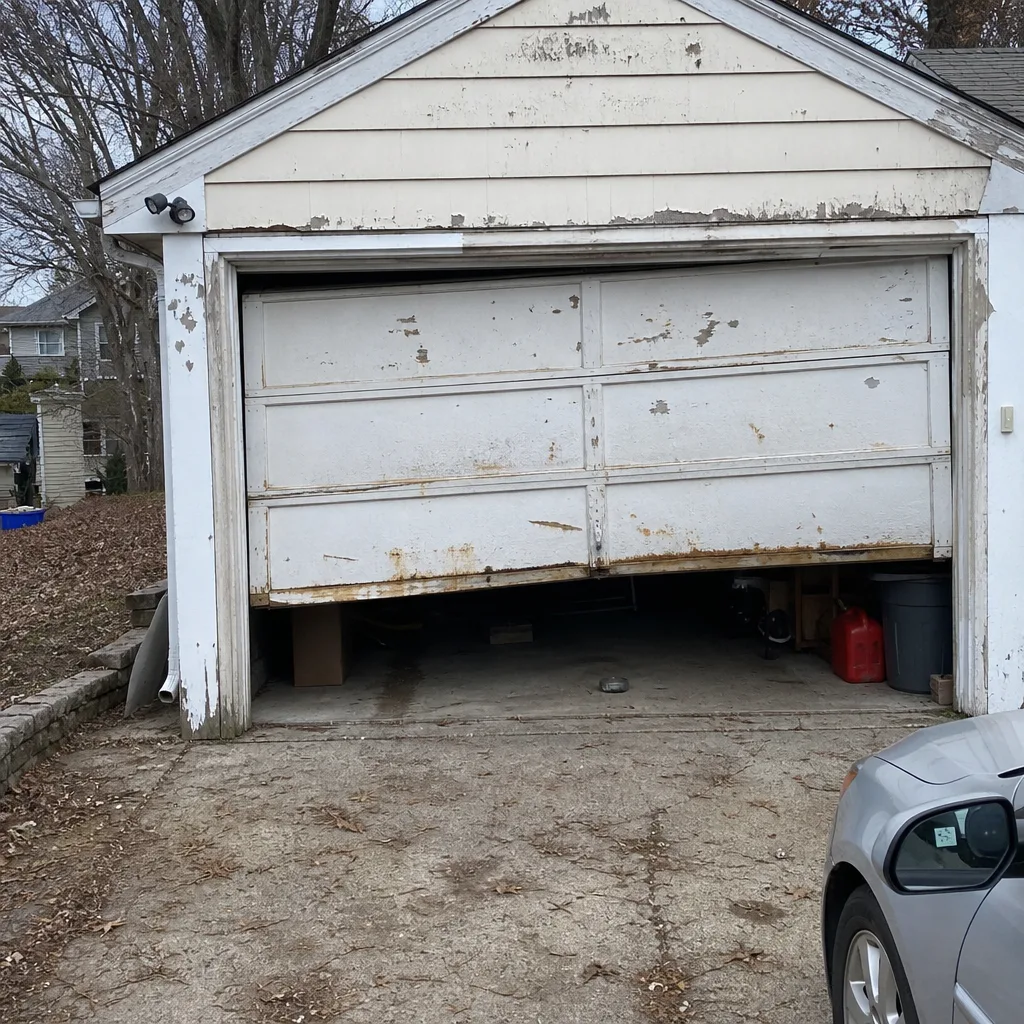 Before
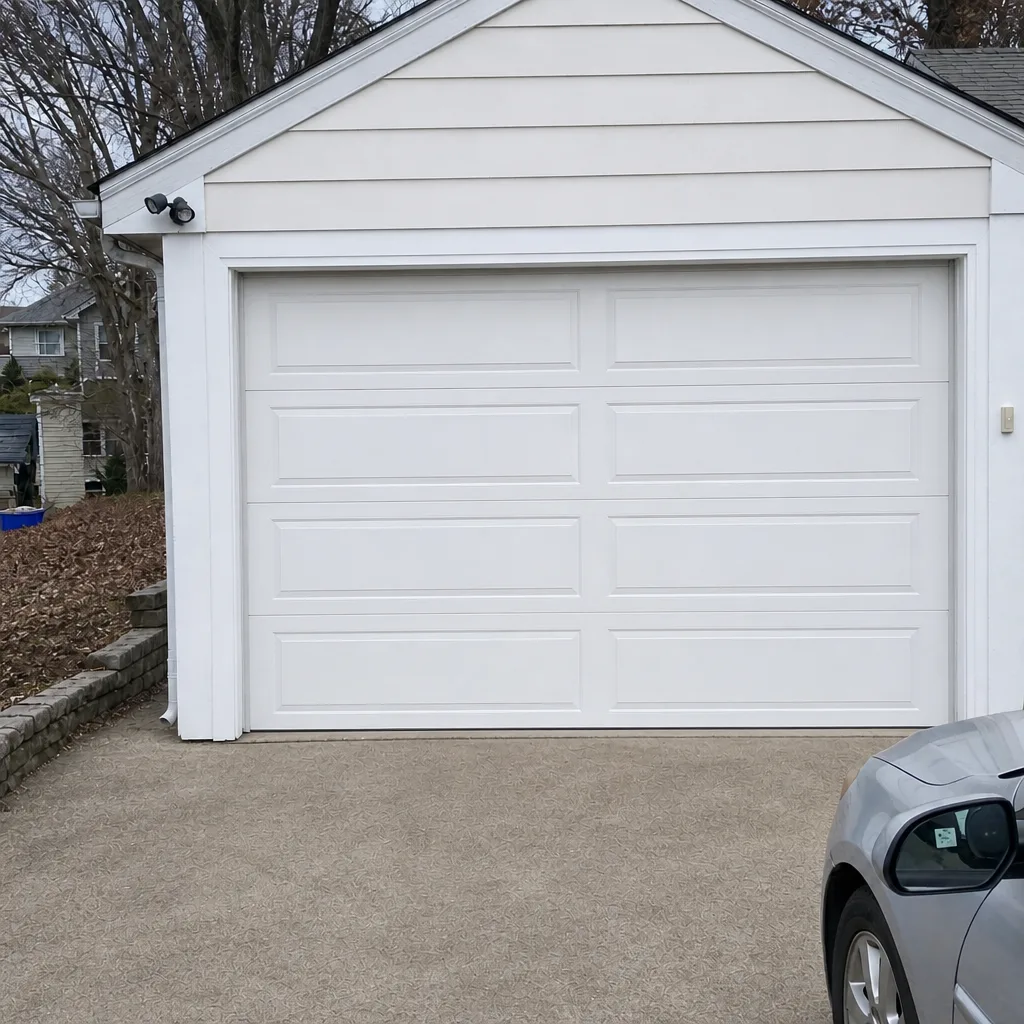 After
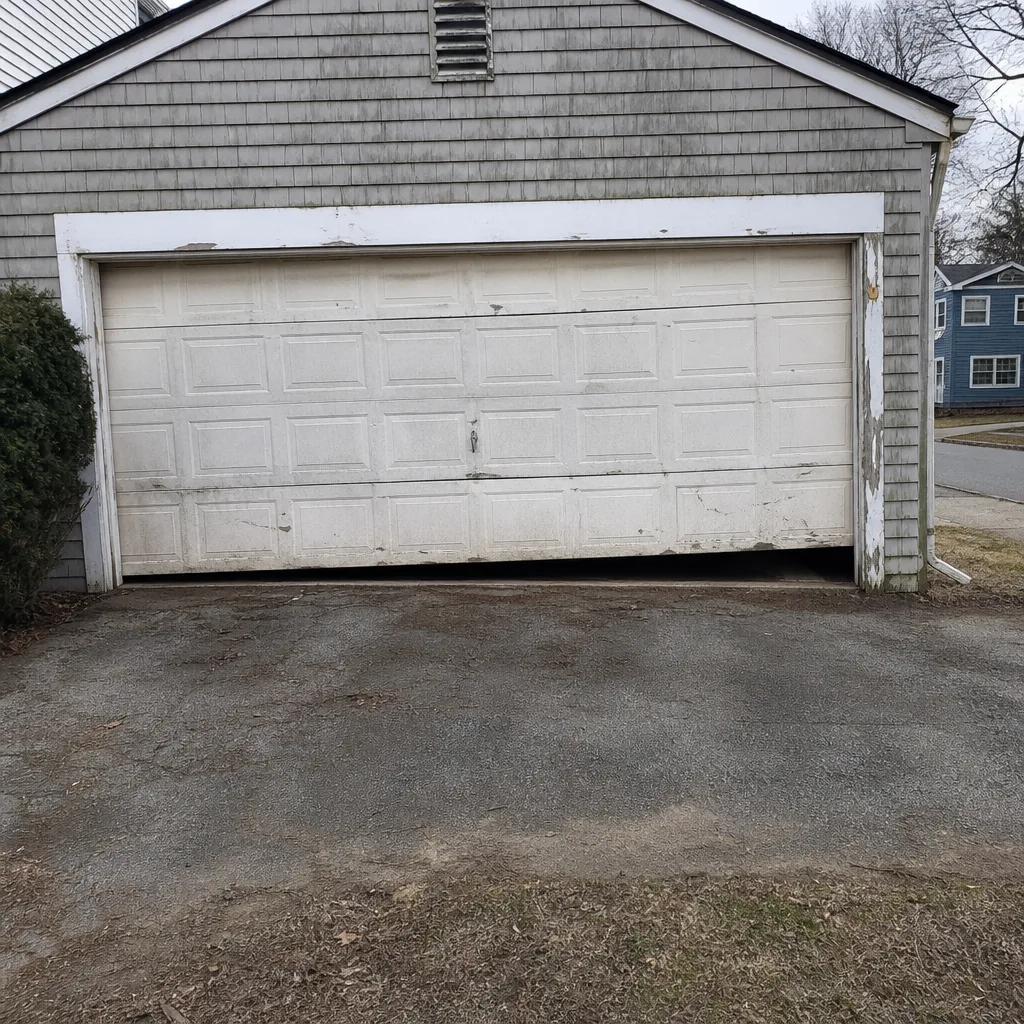 Before
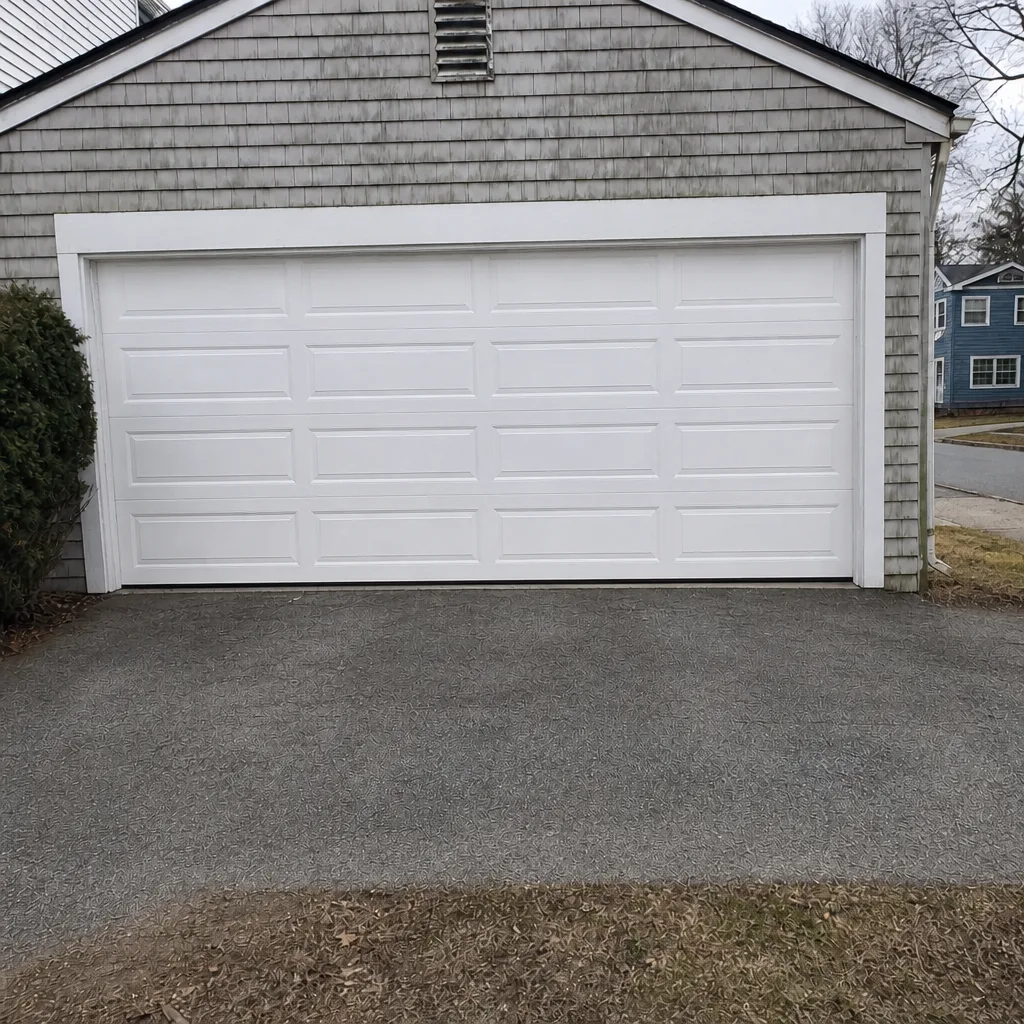 After
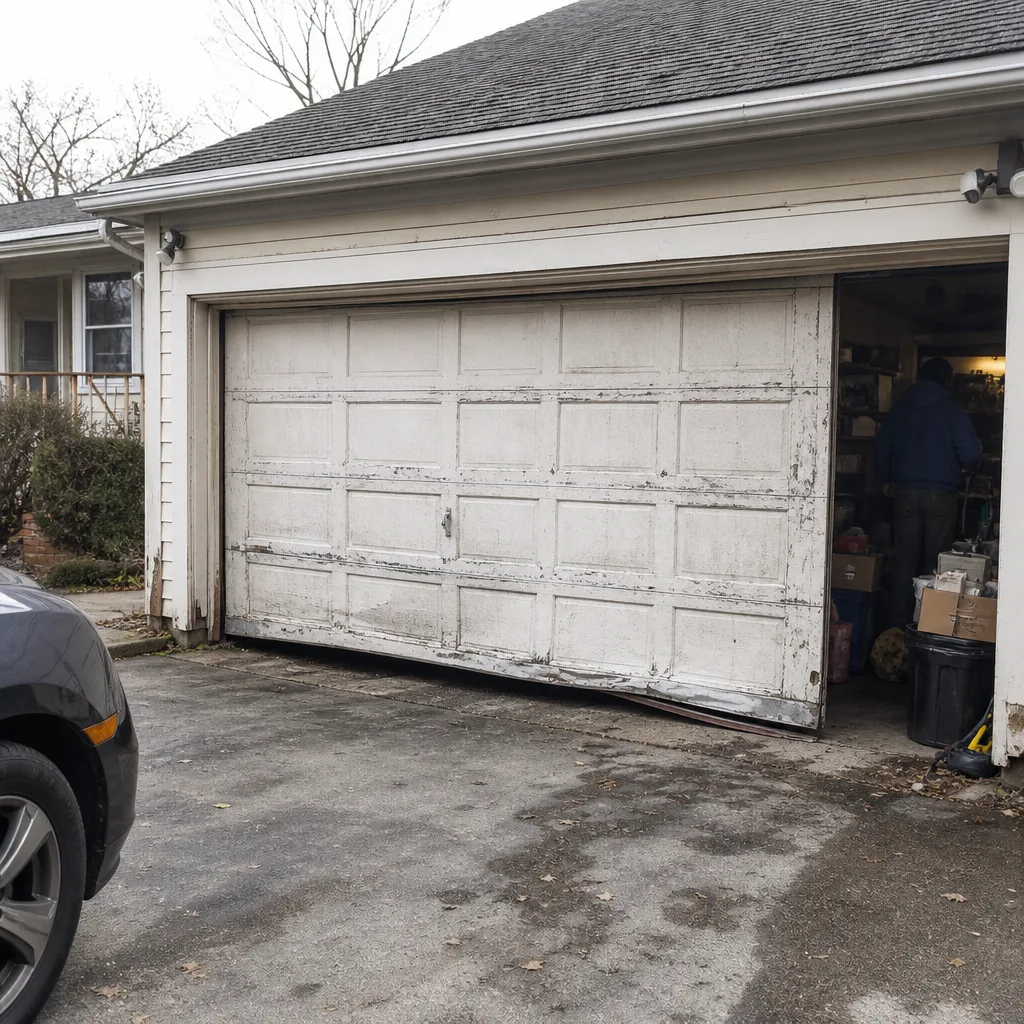 Before
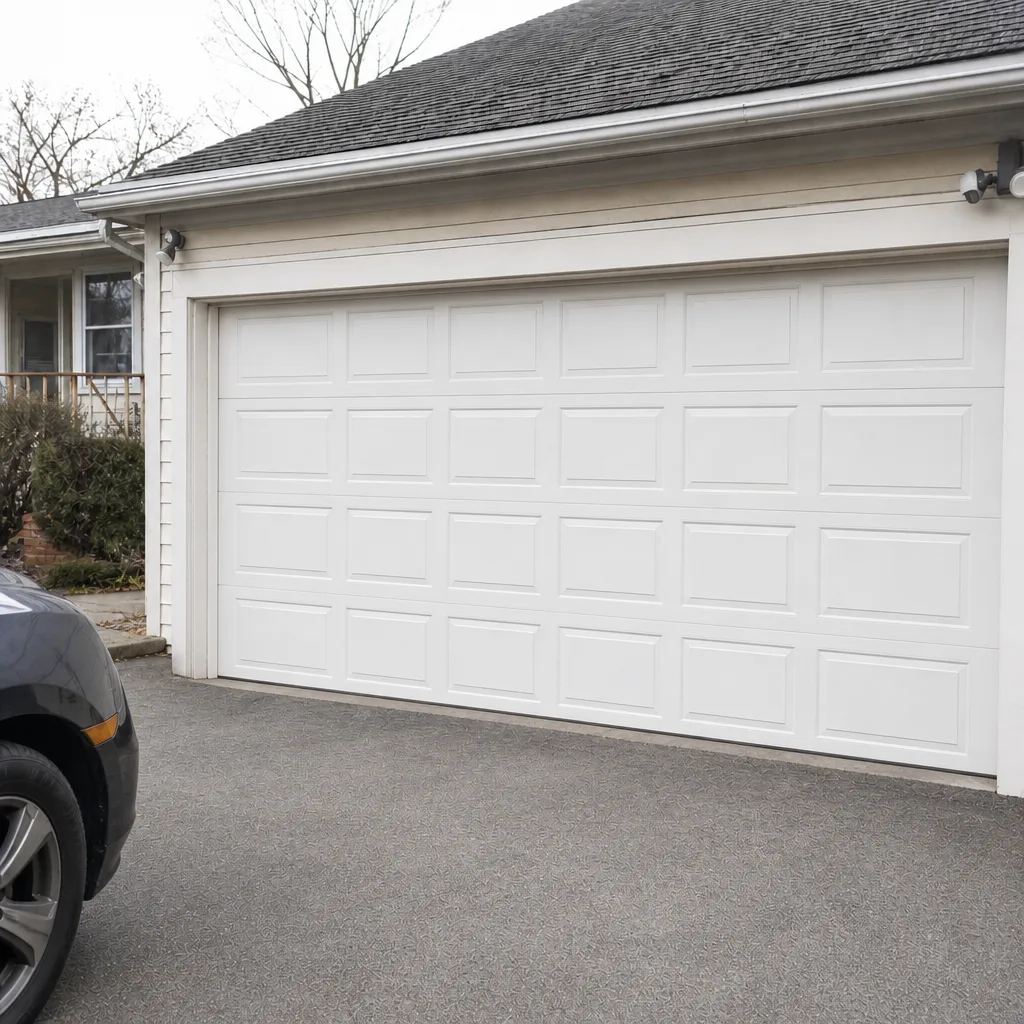 After