Last updated November 22, 2026
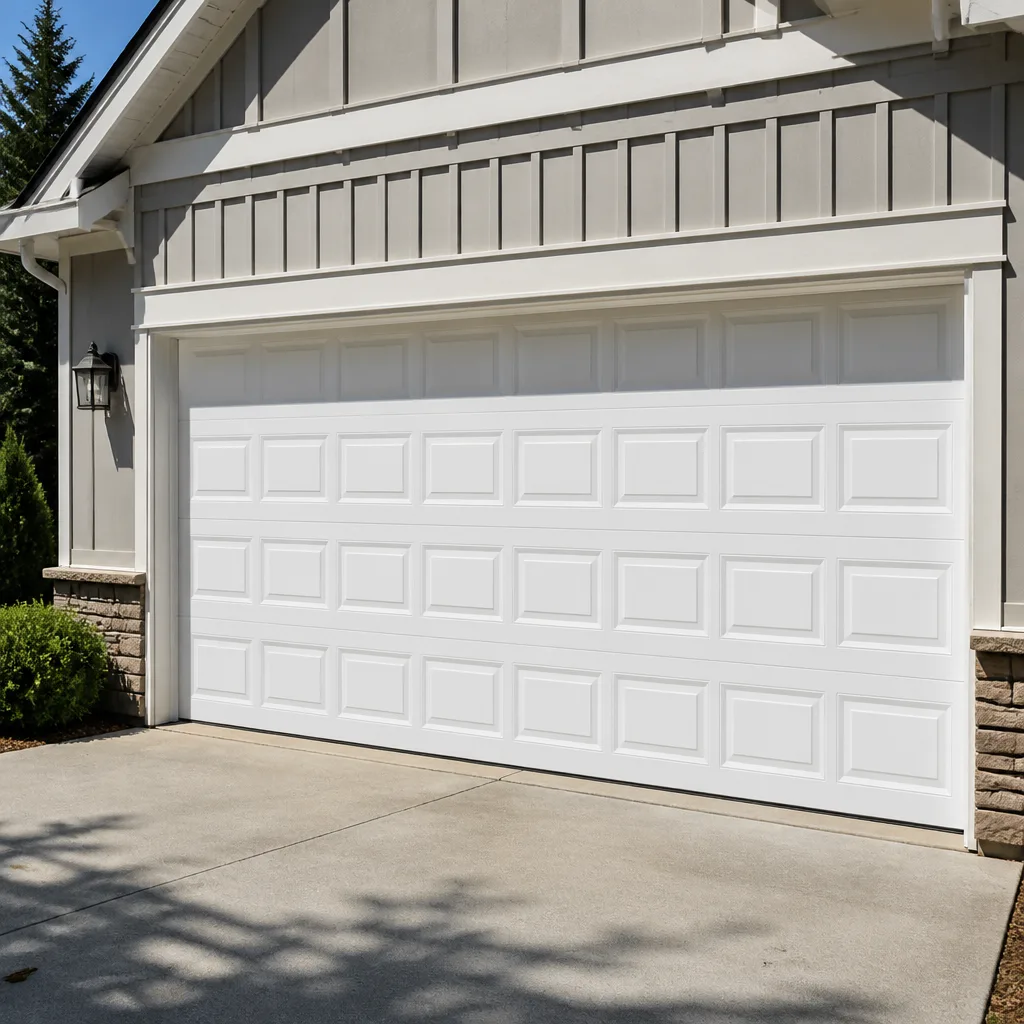 Raised-panel steel
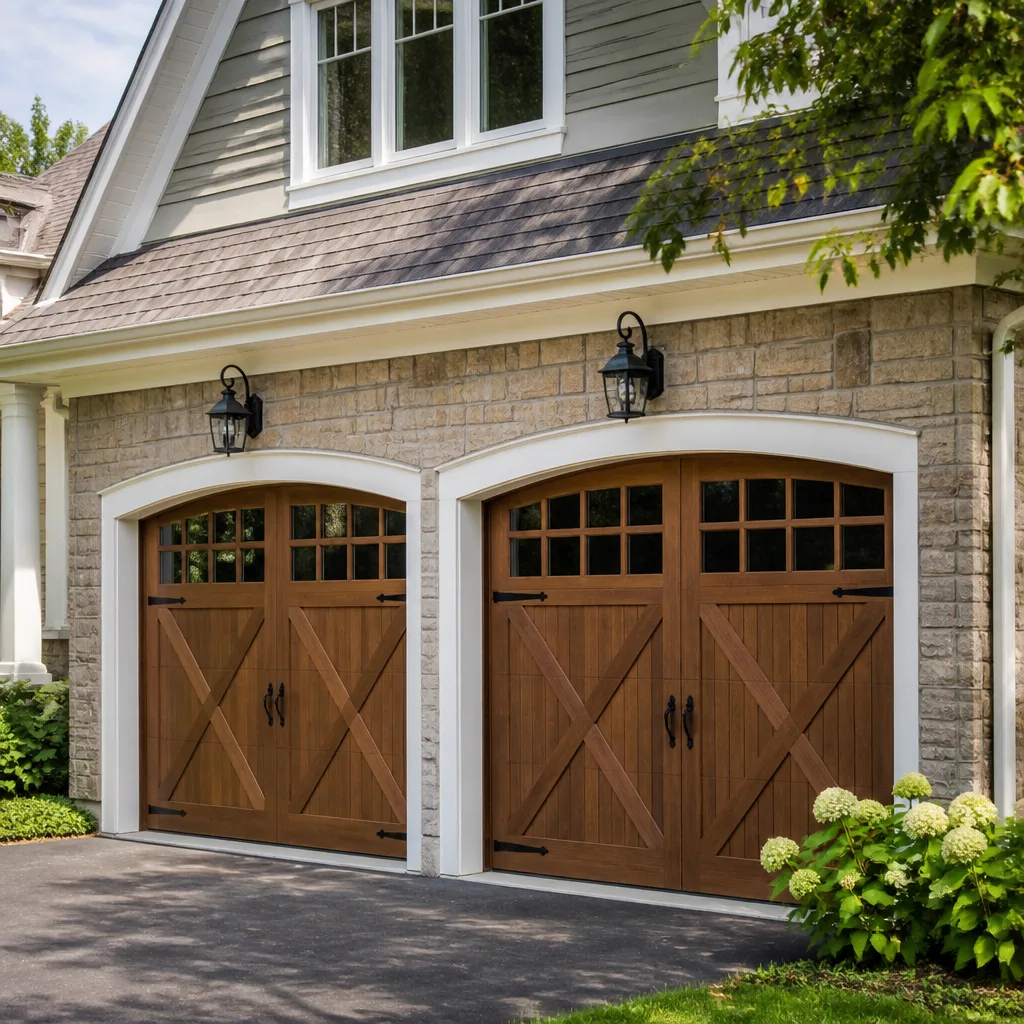 Carriage house
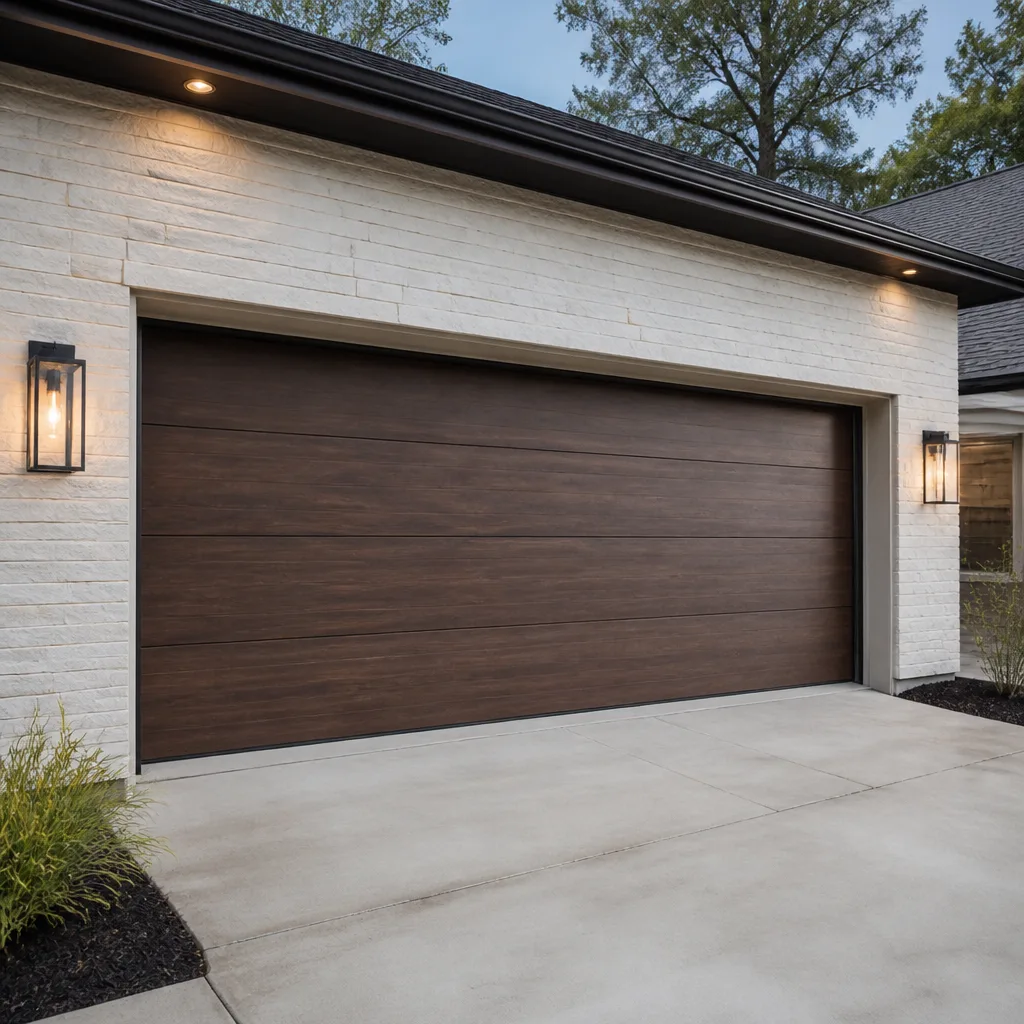 Modern flush
 Full-view glass
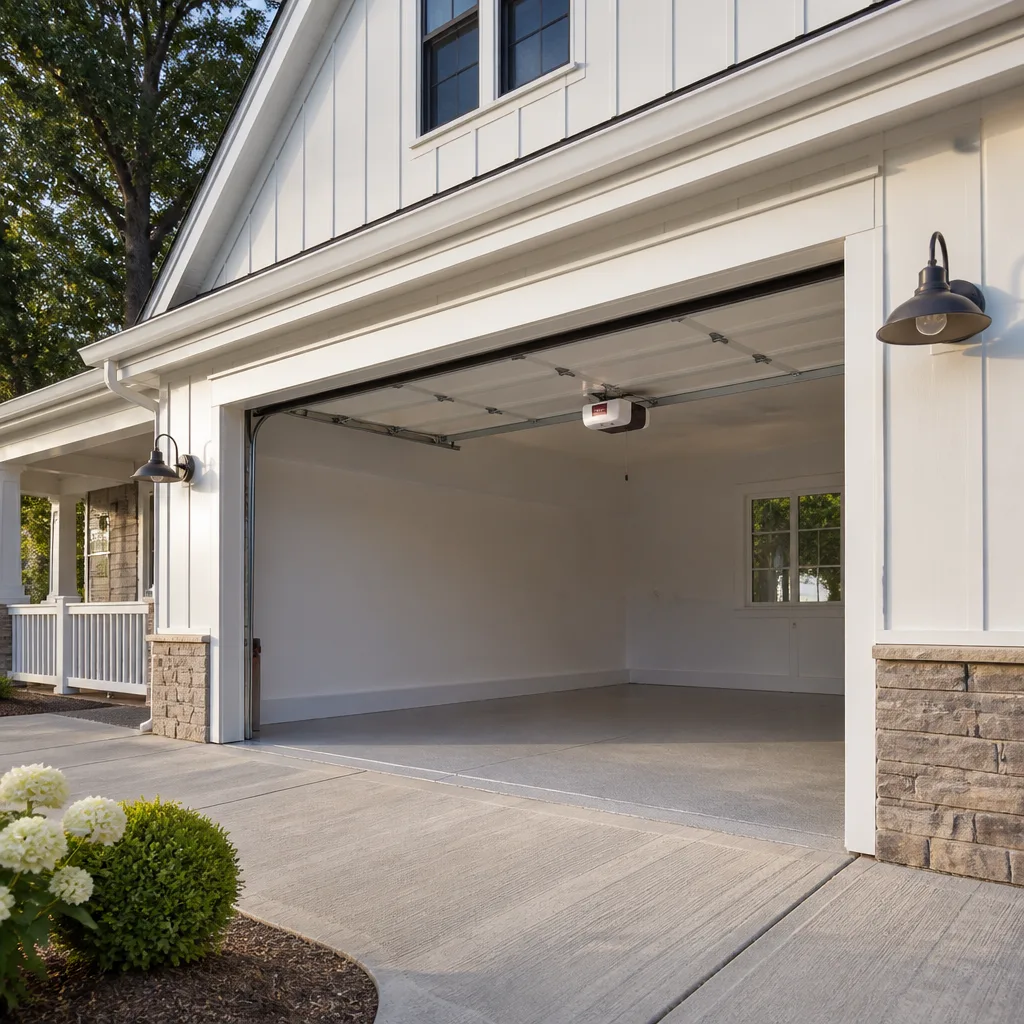 LiftMaster openers
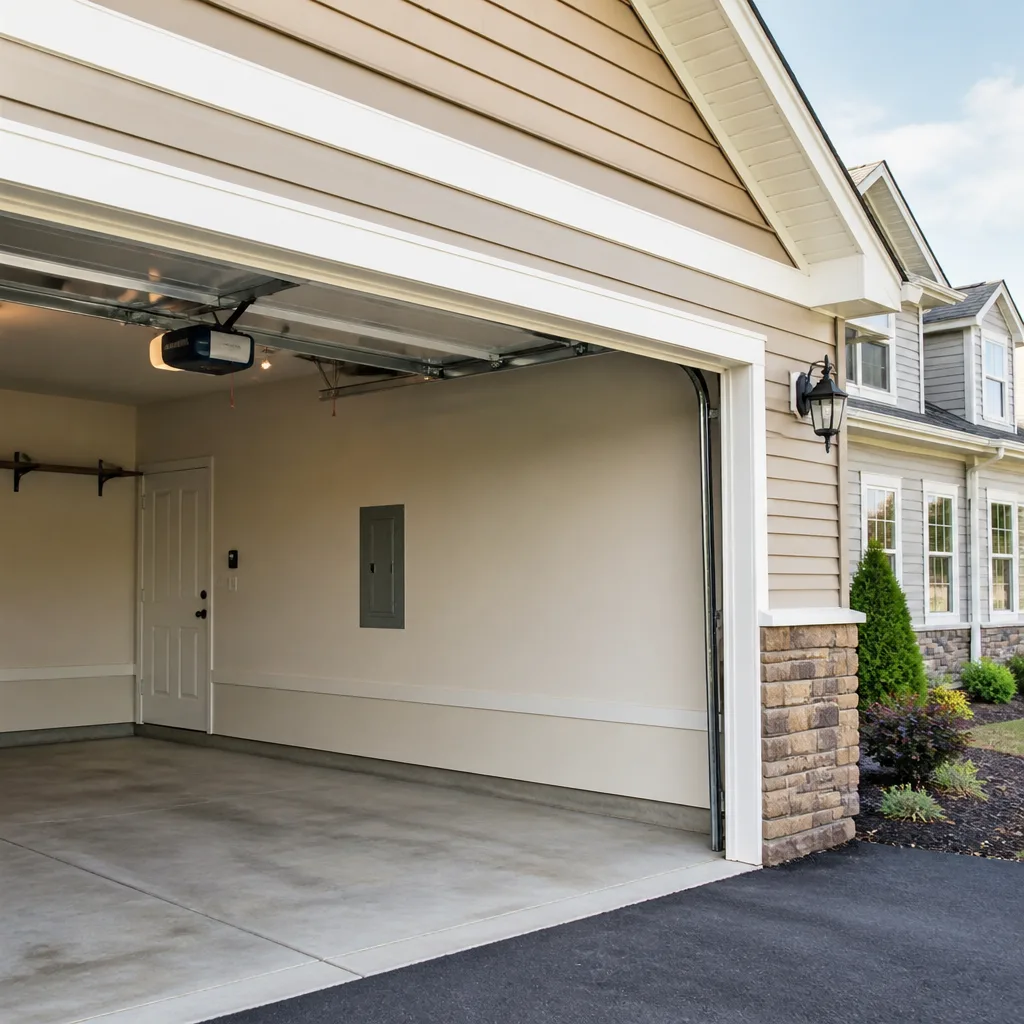 Chamberlain openers
Full 25-point door and opener safety check with every visit - springs, cables, rollers, tracks, and your LiftMaster or Chamberlain opener included
You get a price before we start. It does not change when the pro arrives.
Get your free estimateDIY vs Professional Garage Door: The Taunton Homeowner’s Decision Guide
Most home repair debates come down to money and time. The garage door debate comes down to physics. A torsion spring holds enough stored energy to lift a door weighing hundreds of pounds, and when that energy releases the wrong way, it releases fast. That single fact reshapes the whole DIY question. Some garage door work really is within reach of a careful homeowner. Some of it can put you in a hospital. This guide draws that line clearly, task by task, so you can decide what to handle yourself and what to hand to a trained technician. We’ll also cover the tool and skill inventory you actually need, the hidden costs specific to garage door mistakes, and how Taunton’s climate and housing stock affect the wear patterns you’ll see.
Quick Answer
Light garage door jobs – lubricating moving parts, replacing weatherstripping, straightening a minor panel dent, aligning safety sensors, and clearing small track obstructions – are reasonable DIY tasks for a careful homeowner. Spring replacement, cable work, and full track realignment are not, because the stored energy in torsion springs can cause serious injury and mistakes there damage the door, the opener, or both. In Taunton, where cold winters and humid summers work the door hard, most homeowners are better off calling a specialist for anything involving springs, cables, or the opener’s internal wiring.
Styles & brands we work with
- Raised-panel steel
- Carriage house
- Modern flush
- Full-view glass
- LiftMaster openers
- Chamberlain openers
Table of Contents
- Why Garage Doors Are Different From Other Home Repairs
- Task-by-Task DIY Viability: What You Can and Can’t Safely Do
- The Honest Tool and Skill Inventory for DIY Garage Door Work
- The Hidden Costs of DIY Garage Door Mistakes
- When a Quick DIY Fix Extends a Failure
- How Taunton’s Climate and Housing Affect Your Door
- How to Work Alongside a Technician and Build Real Knowledge
- Why Brand Familiarity Changes the Repair Equation
Why Garage Doors Are Different From Other Home Repairs
A garage door is a balancing act. The springs don’t just help the opener lift the door; they counterbalance its full weight so a person can move it by hand. That balance is finely tuned, and when a spring fails or a cable slips, the door can drop or twist with force you can’t react to in time. This is why garage door work doesn’t follow the same logic as, say, painting a room or replacing a faucet. The risk isn’t a leaky joint or an uneven coat. The risk is a moving mass of steel and glass on a track, held up by stored energy.
There’s a second difference too: the door and the opener are one system. A door that’s out of balance overloads the opener. An opener with a misaligned sensor or a worn gear can hold a perfectly good door hostage. A generalist handyman often treats these as separate problems. A garage door specialist treats them as one, which is why the diagnostic process matters as much as the repair itself. At Taunton Garage Door Repair Co, our technicians have up to 14 years of experience reading that system, and it’s the reason we focus on this trade instead of splitting attention across every home-service category.
The final difference is that almost no garage door failure is random. Springs break because cycles accumulate. Cables fray because they rub where they shouldn’t. Panels dent because the door misaligns and catches on the frame. Each symptom points to a specific cause. That’s useful, because it means the DIY-versus-pro question can be answered task by task rather than as a broad philosophical debate. And in Taunton, where doors run through real freeze-thaw cycles and hot humid summers, those symptoms show up on a schedule most homeowners can learn to read.
Task-by-Task DIY Viability: What You Can and Can’t Safely Do
Here’s the practical breakdown. The left column is work most careful homeowners can handle with basic tools and patience. The right column is work that should stay in the hands of a trained technician, not because of licensing, but because the failure mode is injury or expensive damage.
- Lubricating hinges, rollers, and the torsion bar bearings – DIY-safe. Use a proper garage door lubricant, not WD-40, and work at the pivot points.
- Replacing bottom weatherstripping / the bottom seal – DIY-safe. The seal slides into an aluminum retainer and is a straightforward homeowner job.
- Straightening a minor dented steel panel – DIY-safe if the door still runs smoothly. Cosmetic dents on steel panels often respond to gentle pressure or a block and mallet.
- Aligning or cleaning photo-eye safety sensors – DIY-safe. A door that closes then reverses usually points to a misaligned sensor or a lens covered in dust.
- Clearing small debris from the track – DIY-safe as long as you don’t bend the track and don’t reach into the door’s path while it’s operating.
- Replacing a torsion spring – Professional only. This is the single most dangerous garage door task there is.
- Replacing cables, drums, or cable wraps – Professional only. A miswrapped cable can snap and whip.
- Realigning or re-anchoring a bent track – Professional. Track geometry has to match the door’s travel or the door will bind and damage panels.
- Rebuilding or replacing the opener’s internal gear and logic board – Professional. Opener internals are model-specific and wiring carries real risk.
- Adjusting spring tension on an existing spring – Professional only. This is the same danger as a replacement, just a smaller adjustment.
If you remember one thing from this guide, make it this: any task that involves loosening a spring, disconnecting a cable, or unbending a track belongs to a trained technician. For that work we handle garage door spring repair as its own dedicated service, because we’ve seen how often it goes wrong when it’s treated as an afterthought.
The Honest Tool and Skill Inventory for DIY Garage Door Work
If you’re going to handle the safe end of this list, you need the right tools. The garage door isn’t a job where a screwdriver and a hammer will do. Here’s what a competent DIYer should actually have before starting a safe repair, and what they don’t need:
- A socket set with deep sockets – many track bolts and hinge screws are recessed and won’t take a standard socket.
- A set of hex keys (Allen wrenches) – most safety sensors and many opener adjustments use hex-head screws.
- A proper garage door lubricant – lithium grease or a purpose-made spray, not general-purpose oil.
- A sturdy stepladder rated for your weight, plus a helper to steady it. Many safe tasks happen at the door’s top brackets.
- A flashlight or clamped work light – the area above the door and behind the opener is dark, and you’re looking for small defects.
- Work gloves that let you grip small parts without losing feel. Cuts and pinches are the most common minor injuries on safe jobs.
- Patience to stop when something feels wrong. This is a skill, not a tool, and it’s the one that saves the most money.
What you don’t need is a winding bar set, spring clamps, or cable-grip tools. Those are professional tools for professional tasks. If you buy them thinking you’ll save money doing your own spring replacement, you’re buying equipment for the one job you shouldn’t attempt. For any safe repair that still feels beyond your comfort, we cover general garage door repair as a core service, and a technician will handle it faster and safer than a first-timer.
The Hidden Costs of DIY Garage Door Mistakes
The visible cost of doing it yourself is parts and time. The hidden cost is what happens afterward. Garage door mistakes carry consequences that spread beyond the door itself, and they’re worth knowing before you pick up a wrench.
- Opener warranty issues. Many opener manufacturers – including the LiftMaster and Chamberlain units we see most often in Taunton – treat a door that’s out of balance or mechanically damaged as evidence the opener was run under stress. If a motor fails on a door that was misadjusted, warranty claims often get complicated. The repair can void coverage the homeowner thought was secure.
- Damaged panels from cable miswrap. A cable that wraps unevenly on the drum pulls the door at an angle. The door binds, the panels twist, and a set of cosmetic dents becomes a structural problem. Steel and wood panels both crack under that load.
- Track damage from a forced repair. Prying a bent track back into place without resetting the door’s alignment often bends the bracket or splits the wood behind it. What was a $100 part becomes a track-and-bracket job.
- Insurance implications. A garage door is a moving object that can injure a person or damage a vehicle. If an incomplete or incorrect repair causes damage, whether your homeowner policy covers the resulting claim depends on the policy and the circumstances. It’s worth asking your insurer what your policy does and doesn’t cover before attempting risky repairs, rather than assuming.
- Lost time and second visits. A repair that fails after a week costs you the parts twice, and often the original job plus a repair job.
The pattern is always the same: a task that would have been one visit becomes three. That’s a big part of why homeowners around Taunton end up calling us after attempting a repair themselves. Call (844) 491-7235 for a free estimate; it’s cheaper than paying twice.
When a Quick DIY Fix Extends a Failure
Some DIY fixes don’t fail outright. They work just well enough. That’s the dangerous kind. A door that misaligns slightly and keeps running for weeks is not a door that’s fine. It’s a door in the process of damaging itself, and the delay hides it.
Here’s how that slow failure usually plays out:
- The trigger. A spring weakens, a cable gets a bit of slack, or a panel takes a small hit. The door still opens and closes, so nothing looks wrong.
- The drift. Over weeks, the door pulls a fraction off-center. The track takes uneven pressure. Rollers wear unevenly on one side.
- The symptom you notice. The door starts to feel stiff, or the opener strains, or a panel squeaks at a specific point in its travel. Most homeowners lubricate it and move on.
- The failure that surprises you. A panel cracks at the hinge, or the track bends far enough that the door catches and stops, or the opener’s gear strips. Now the job includes the original cause plus everything the drift damaged along the way.
The Taunton version of this pattern is common in older homes where a garage door has been in place through many winters. Cold weather stiffens the door and puts extra strain on the opener during the coldest weeks. A door that coasts smoothly in October can start struggling in January, and the difference between fixing a balance problem then and waiting until a panel cracks is usually several hundred dollars. If your door has started to sound different, look at the alignment before it stops aligning at all.
How Taunton’s Climate and Housing Affect Your Door
Garage door wear isn’t the same in every region, and that matters for the DIY question. The work that’s safe in mild weather isn’t always easy in the middle of a cold snap, and the failure patterns you should watch are shaped by where the house sits.
Taunton winters are cold enough to stiffen a door and stress the opener, and the freeze-thaw cycle that comes with them can shift the ground under a garage slab just enough to change how the door sits in its frame. That’s why spring and track problems often show up in late winter. Summer humidity works on wood panels and door seals, swelling them slightly so the door rubs where it didn’t in spring. Homes around Taunton’s older neighborhoods, including areas near Taunton Green and the Whittenton and Oakland sections, often have detached or attached garages with doors that have gone through many of these transitions, so pattern recognition helps more than guesswork.
The housing stock matters too. A lot of the doors we see around Taunton are in the fifteen-to-thirty cycled-per-day range a busy family puts on a door, and doors of that vintage often have a LiftMaster or Chamberlain opener that’s seen better days. Wood doors sag over time. Steel doors develop rust at the bottom where road salt from the driveway collects. Aluminum doors track differently in cold weather. None of these make DIY impossible for the safe tasks, but they mean the diagnostic work before a repair is worth more than the repair itself. It’s why we focus only on garage doors; the patterns repeat, and the second look on a Taunton door is faster than on a door in a different climate.
How to Work Alongside a Technician and Build Real Knowledge
There’s a middle path between DIY and full delegation that most homeowners never consider: hiring a technician for the first repair and staying involved as an informed observer. It’s not the same as watching a video. A technician working on your actual door, in your actual climate, on your actual brand, teaches you things no video can.
What you get from that first visit depends on what you ask. A few practical tips:
- Ask why the failure happened. A trained technician can usually tell you whether a spring broke from cycle count or from a balance problem, and the answer changes what you should watch for.
- Ask what parts were replaced and what they do. Understanding the role of a cable drum or a torsion tube takes about two minutes in person and makes future DIY tasks much less abstract.
- Ask what the safe maintenance schedule looks like. Lubrication intervals, weatherstripping checks, and sensor tests change by climate, so the advice you get locally is more useful than a generic checklist.
- Ask what to look for before the next failure. A technician who sees hundreds of doors can tell you the early sign of the exact problem your door is prone to.
A YouTube video made in Texas or Florida doesn’t account for Taunton’s freeze-thaw cycle, its older housing stock, or the specific door and opener combination on your house. Watching that video and then attempting a spring replacement is one of the more common ways homeowners get hurt. Watching a local technician work on your door teaches you the safe tasks and the unsafe ones in the same session. If you want to try that approach, call (844) 491-7235 and schedule a first visit with a trained technician; the estimate is free.
Why Brand Familiarity Changes the Repair Equation
Part of the DIY-vs-pro calculation isn’t only about danger. It’s about how long a repair takes. A specialist who’s familiar with the brand on your door can diagnose and repair without guesswork, and that familiarity is why so much of the “just do it yourself” advice online falls short.
Our technicians work with eight major brands every day – LiftMaster, Chamberlain, Genie, Clopay, Amarr, Wayne Dalton, Craftsman, and Raynor – so whatever brand is on your door, we know it. If your opener is a Chamberlain and the door is a Clopay, the technician already knows how that pairing behaves and what the common failure points are. That’s a build-up of pattern recognition that a homeowner can’t replicate with a weekend of research, and it’s especially valuable on garage door opener repair, where an incorrect part swap can damage a working unit. If the opener is no longer the problem but the door’s end of life has arrived, we also handle garage door installation as a scheduled, measured job, not a same-day fix. That distinction matters, because installation and replacement are neither emergency work nor a quick weekend project; they need a measurement and a written price first.
One more brand-specific wrinkle: opener manufacturers build safety and warranty expectations into their designs. A LiftMaster or Chamberlain unit installed on a door that has never been balanced correctly is working harder than it was designed to, and that’s the kind of hidden problem a trained eye catches immediately. Knowing the brand isn’t a sales point; it’s the reason the first visit tends to be the only visit.
Common Mistakes to Avoid
- Attempting a spring replacement without proper tools and training. Winding bars and spring clamps exist for a reason, and the spring can release stored energy through your hand or arm if the technique is wrong. Springs are dangerous; leave them to a trained technician.
- Using WD-40 instead of garage door lubricant. WD-40 is a solvent, not a long-term lubricant. It strips the existing grease off hinges and rollers, which accelerates wear in Taunton’s cold months. Use a purpose-made garage door grease instead.
- Prying a bent track back into place. Track realignment is a geometry job. Bending a track back without resetting the door’s travel often makes the bind worse and cracks panels within a few cycles. This is a professional task.
- Ignoring a sensor that reverses the door intermittently. A door that closes and then reverses “sometimes” usually has a dirty lens or a loose mount. Cleaning the lens is a quick safe check, but a sensor that keeps reversing after that needs a diagnostic, not a bypass.
- Attempting cable work without understanding cable tension. Cables hold the door’s weight in tandem with the springs. When a cable releases, it can whip and cause serious injury. Don’t unwrap, rewrap, or disconnect a cable yourself.
- Running the opener on a door that’s out of balance. This is the most expensive DIY mistake in the list. Many opener warranties (LiftMaster and Chamberlain especially) treat a door that’s out of balance as evidence of stress on the unit, so a motor problem caused by a misadjusted door can complicate the warranty claim.
- Confusing “it closed” with “it’s fixed.” A door that keeps running after a misalignment is quietly damaging its own track and panels. If your door has started to feel different in Taunton’s freeze-thaw months, treat it as a diagnostic problem, not a lubrication problem.
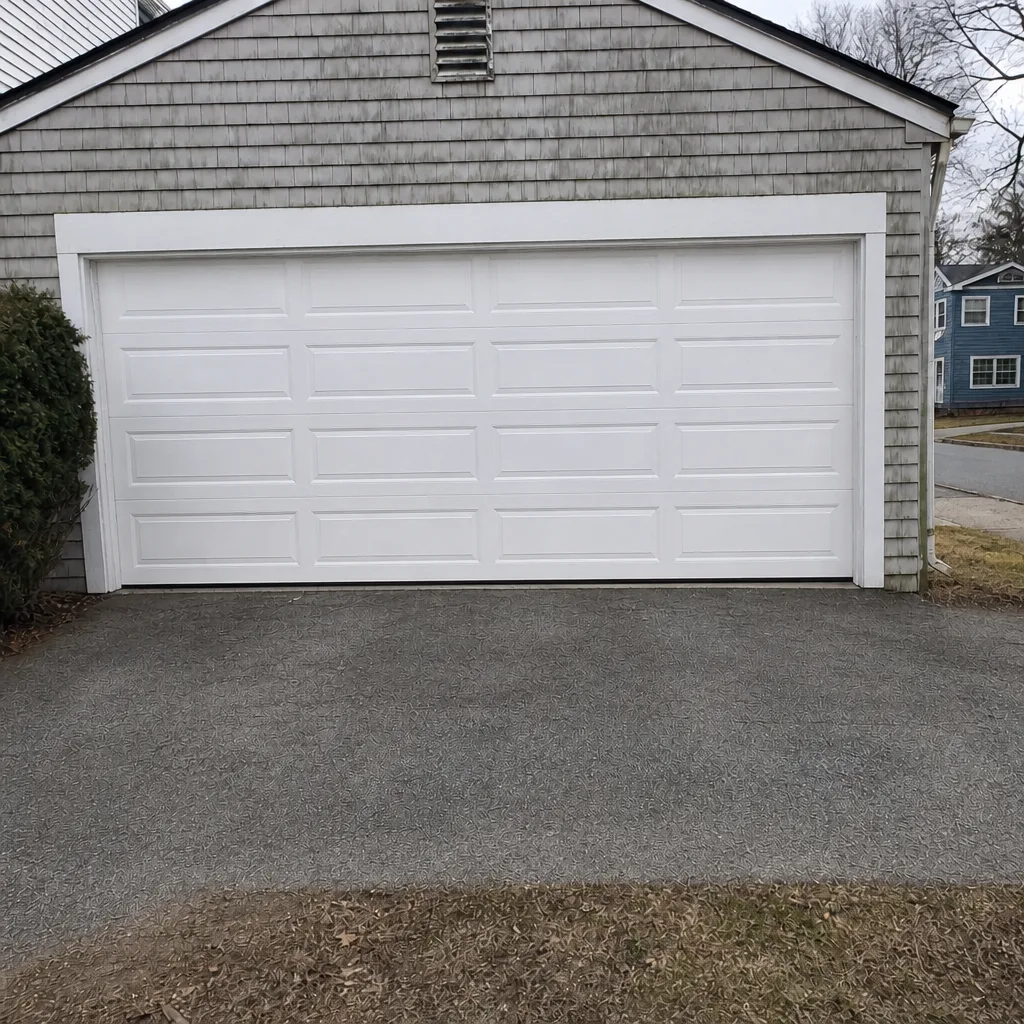
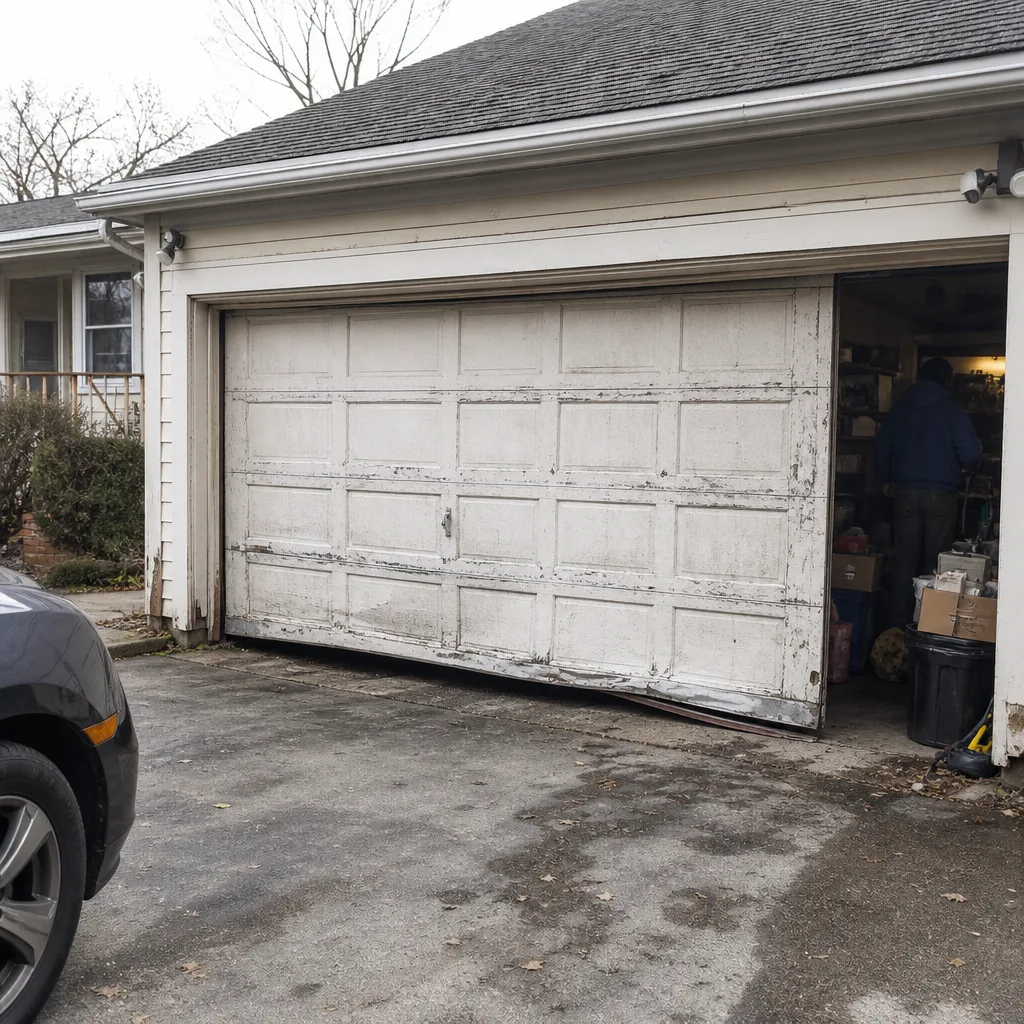
See the difference
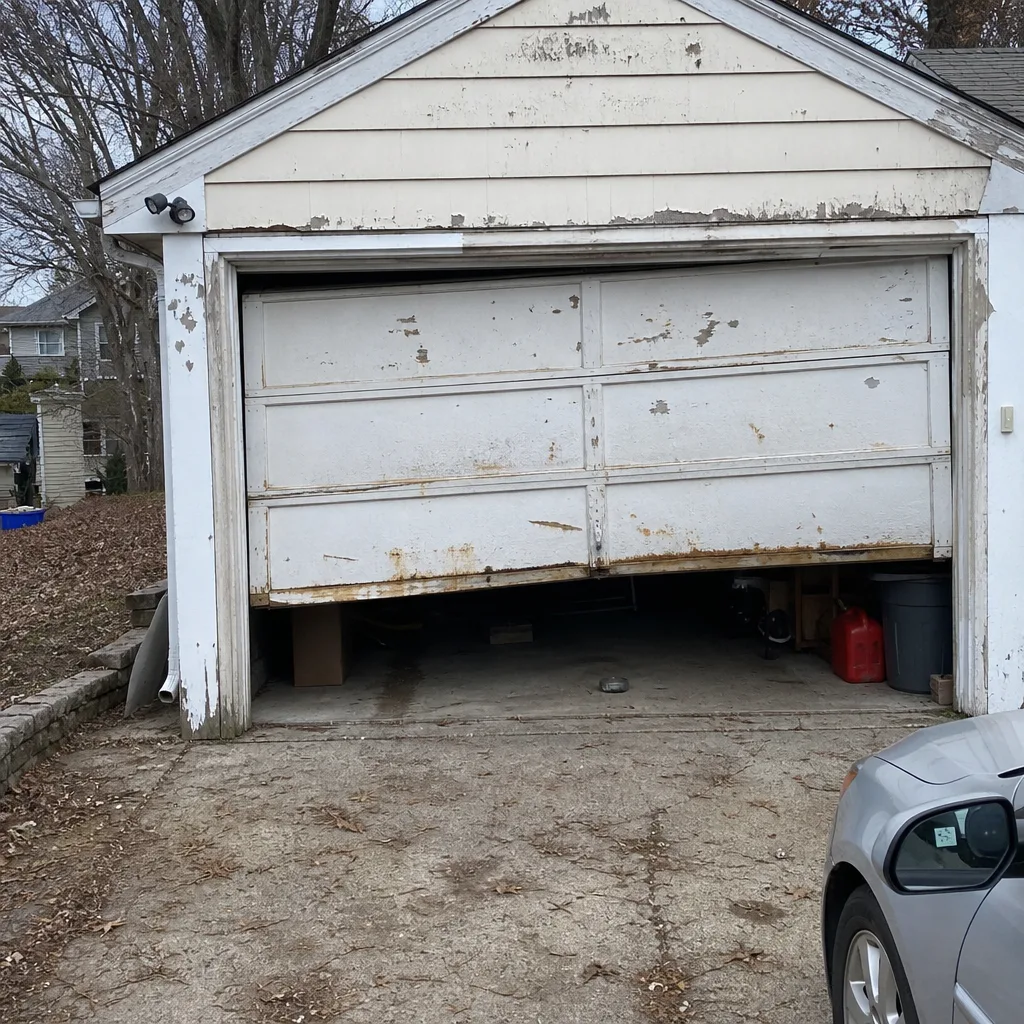 Before
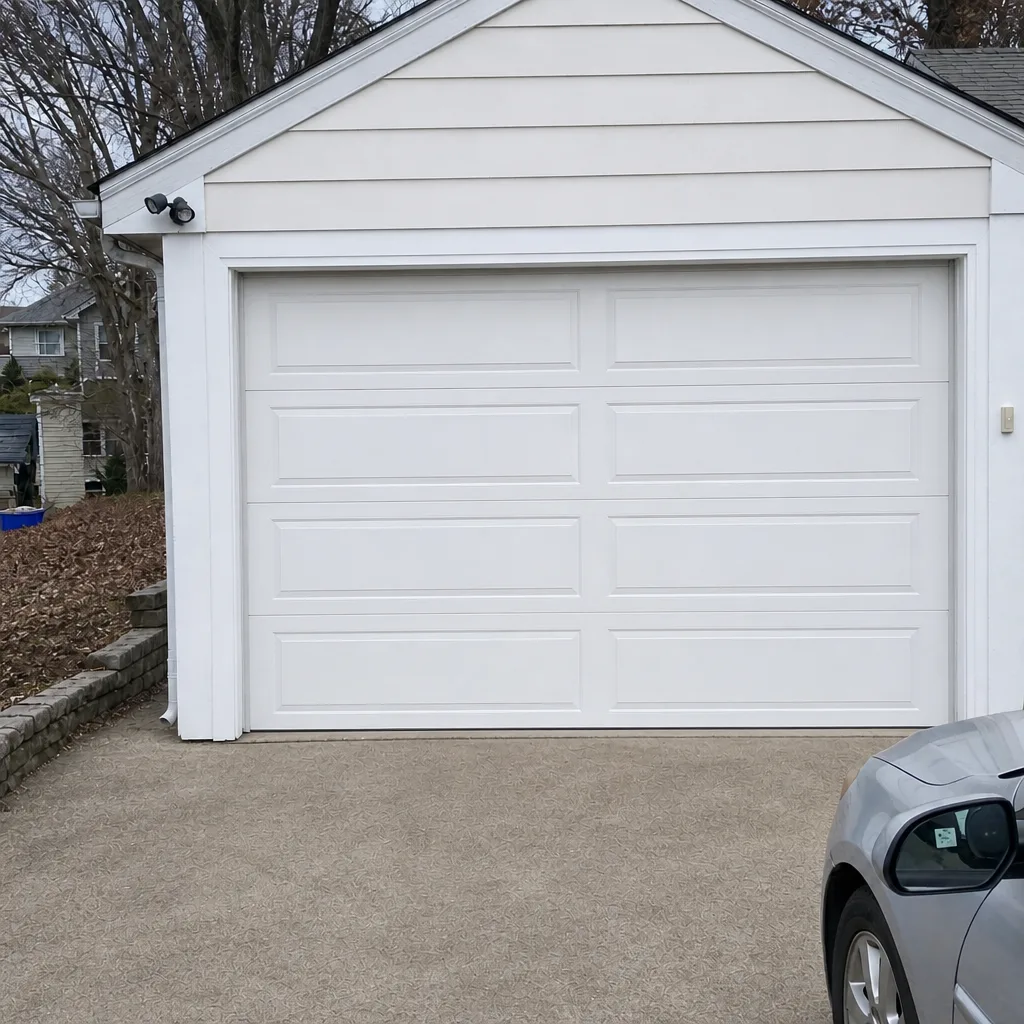 After
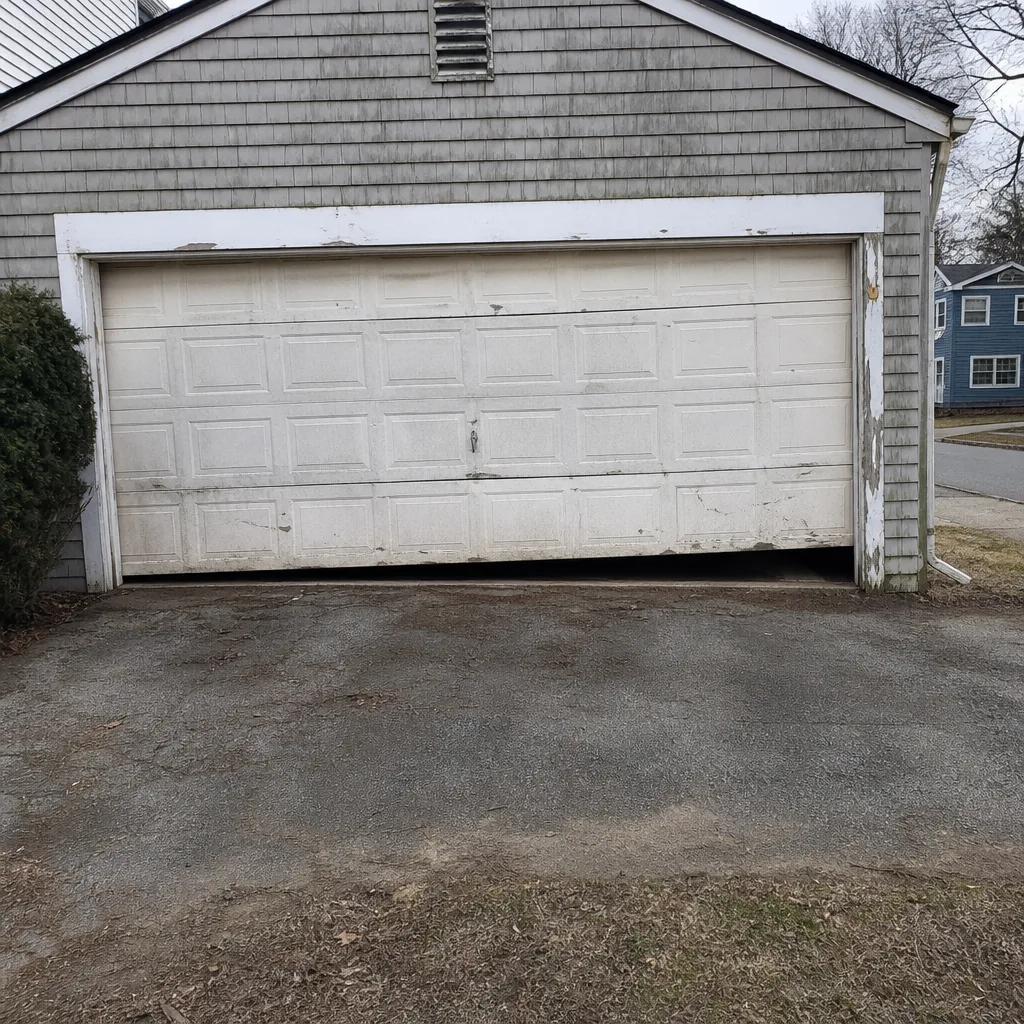 Before
 After
 Before
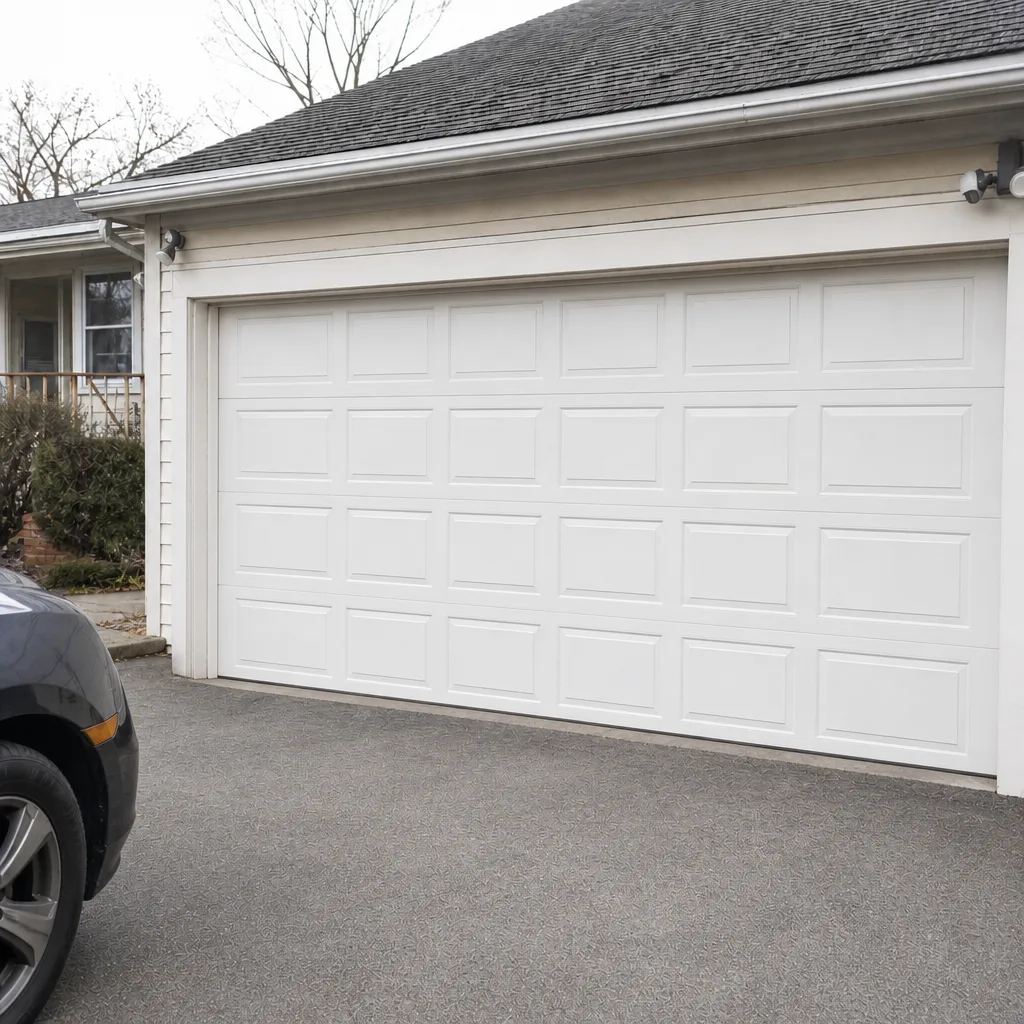 After
When to Call a Professional
Call a specialist for anything involving springs, cables, track geometry, or the opener’s internal wiring. Also call if your door is out of balance, if a panel has cracked or a hinge has pulled loose, or if the door has stopped moving reliably enough that your car can’t get out. Same-day service matters in those cases because a garage door that won’t open or close is a security problem, not just an inconvenience. This is where a dedicated single-trade specialist earns their value. Taunton Garage Door Repair Co offers free estimates in Taunton – call (844) 491-7235. Our technicians have up to 14 years of experience on the eight major door and opener brands, and we can work with your insurer if a repair touches an existing claim.
Frequently Asked Questions
No, replacing a torsion spring is not a safe DIY job. The spring stores enough energy to cause serious injury when it’s released incorrectly, and that’s true even for homeowners who are handy with tools. Call a trained technician instead; the job takes less time than a careful DIY attempt and removes the injury risk entirely.
Lubricating moving parts, replacing bottom weatherstripping, cleaning and aligning safety sensors, straightening a minor steel panel dent, and clearing small track debris are all reasonable DIY tasks. Anything involving springs, cables, track geometry, or the opener’s internal wiring belongs to a trained technician. If you’re unsure whether a task is safe, call (844) 491-7235 and ask; the estimate is free.
It can, depending on the opener brand and what happened. Many manufacturers, including LiftMaster and Chamberlain, treat an out-of-balance door or a forced repair as evidence the opener was run under stress. That can complicate a warranty claim on the motor. Check your opener’s warranty terms and ask the technician about it before attempting a repair that could affect the unit. Call (844) 491-7235 for a free estimate on the correct fix.
We quote per door after a measurement, so the written estimate is the number you see. Springs are sold singly, and because most doors have a matched pair that should be replaced together, a pair typically runs about twice the cost of a single spring. Call (844) 491-7235 for a free estimate; the price you agree to is the price you pay before any work starts.
You can, but a generalist often treats the door and the opener as separate problems. A specialist reads them as one system, which is where the right diagnosis starts. On a spring or cable job in particular, choosing a handyman with limited garage door experience can turn one visit into three. Call (844) 491-7235 for a free estimate from a dedicated garage door specialist.
Emergency garage door service is a core offering for us, not an upsell, and we handle same-day requests for doors that won’t open or close. A door that won’t move reliably is a security problem as much as a convenience problem, so it’s the right time to call. Call (844) 491-7235 to book an emergency visit and get a free estimate on the repair.
The Bottom Line
The DIY-versus-pro question for garage doors has a clearer answer than most home-repair debates because the danger is concentrated in a specific set of tasks. Maintenance, weatherstripping, sensor alignment, and small panel dents are within reach of a careful homeowner with the right tools. Anything involving springs, cables, track geometry, or the opener’s internals belongs to a trained technician, and that’s not a sales pitch; it’s the physics of stored energy and moving weight. A common middle path – hiring a specialist for the first repair and watching the work – builds real local knowledge that no online video can. In Taunton, where cold winters and humid summers work the door hard, that local insight is worth more than the small savings of a risky DIY attempt.
If your door needs a trained eye, call Taunton Garage Door Repair Co at (844) 491-7235 for a free estimate. We’re the specialist you can build a decision on, whether you’re ready to book a repair today or just want to know what the safe next step is.
Written by the team at Taunton Garage Door Repair Co.