Last updated November 22, 2026
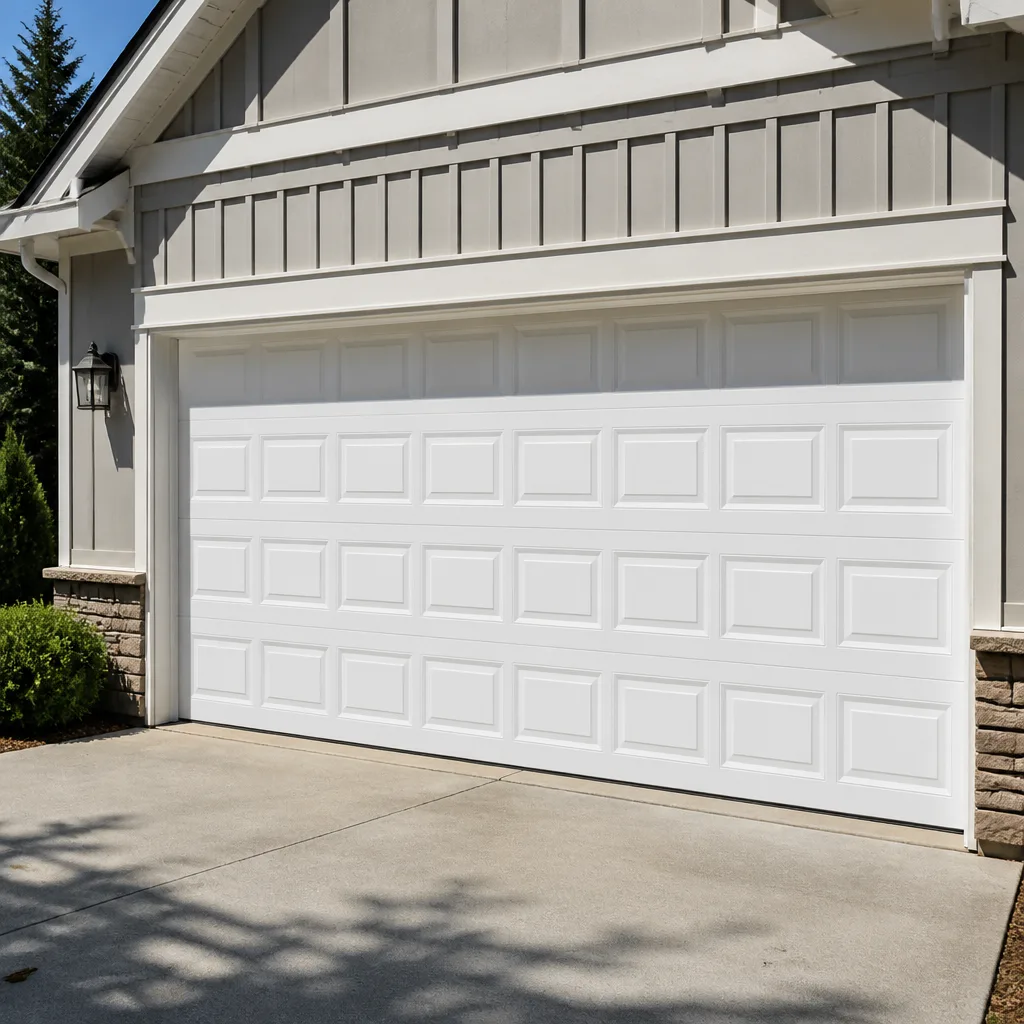 Raised-panel steel
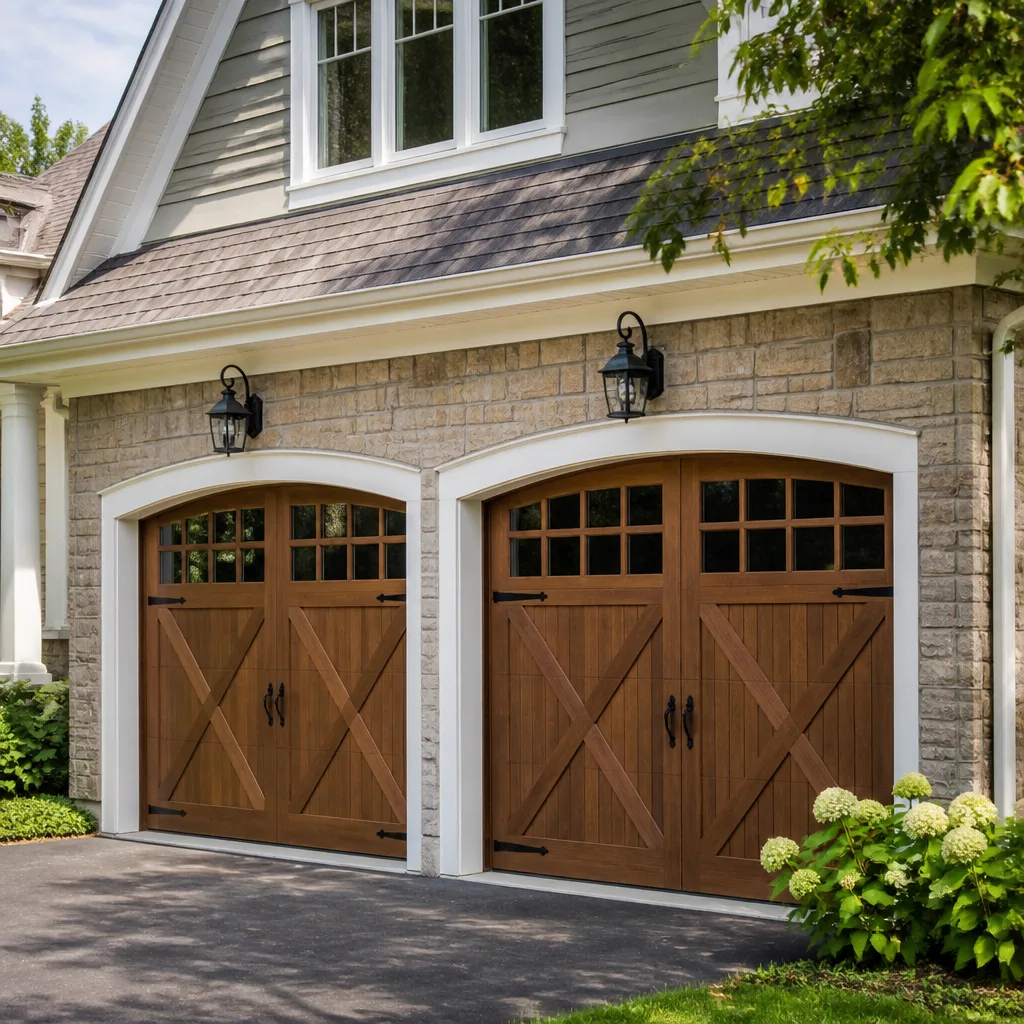 Carriage house
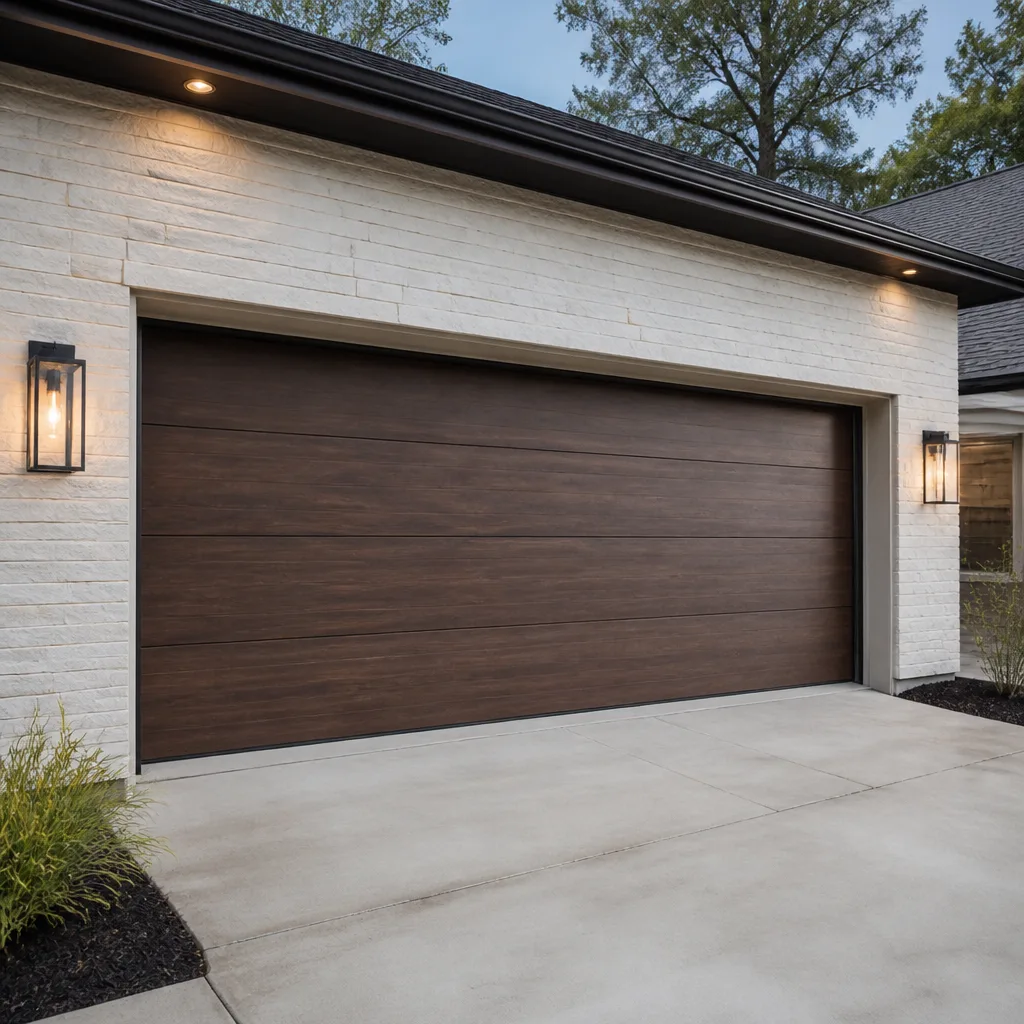 Modern flush
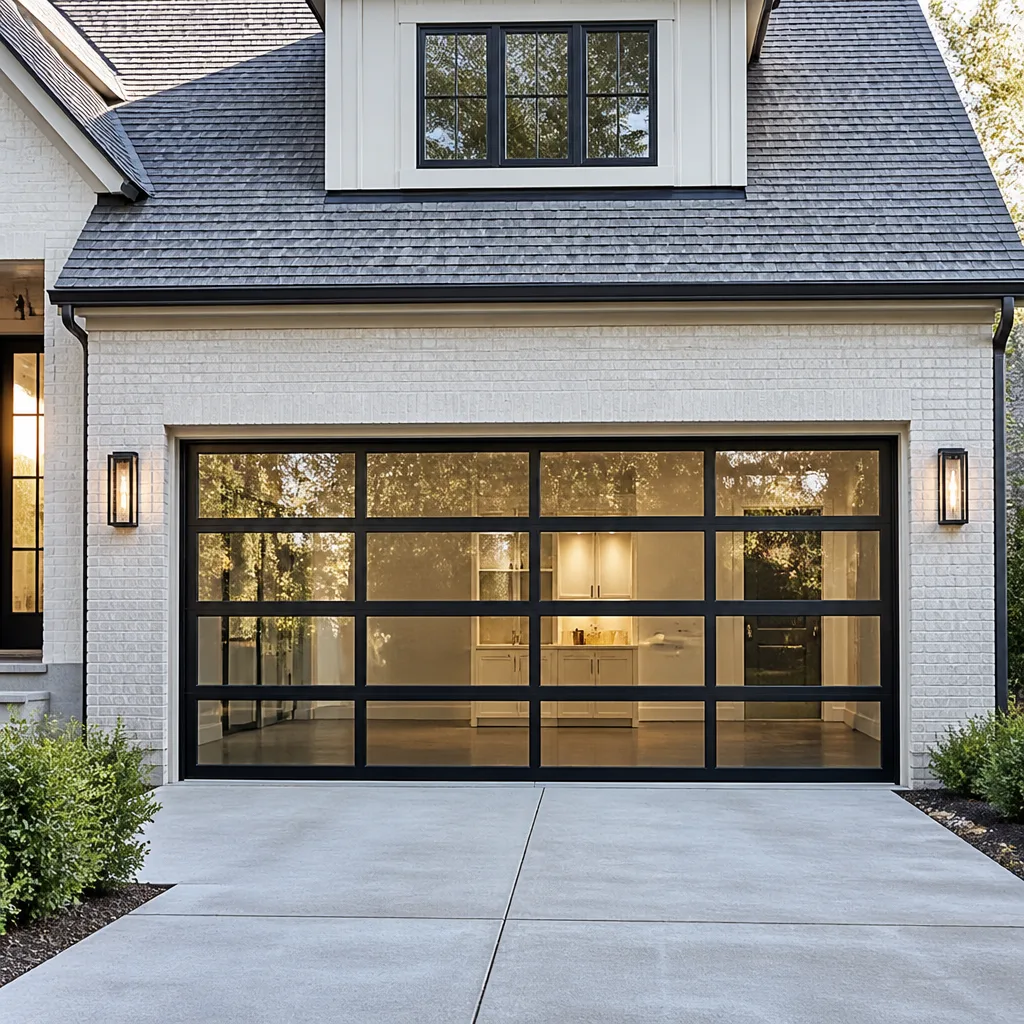 Full-view glass
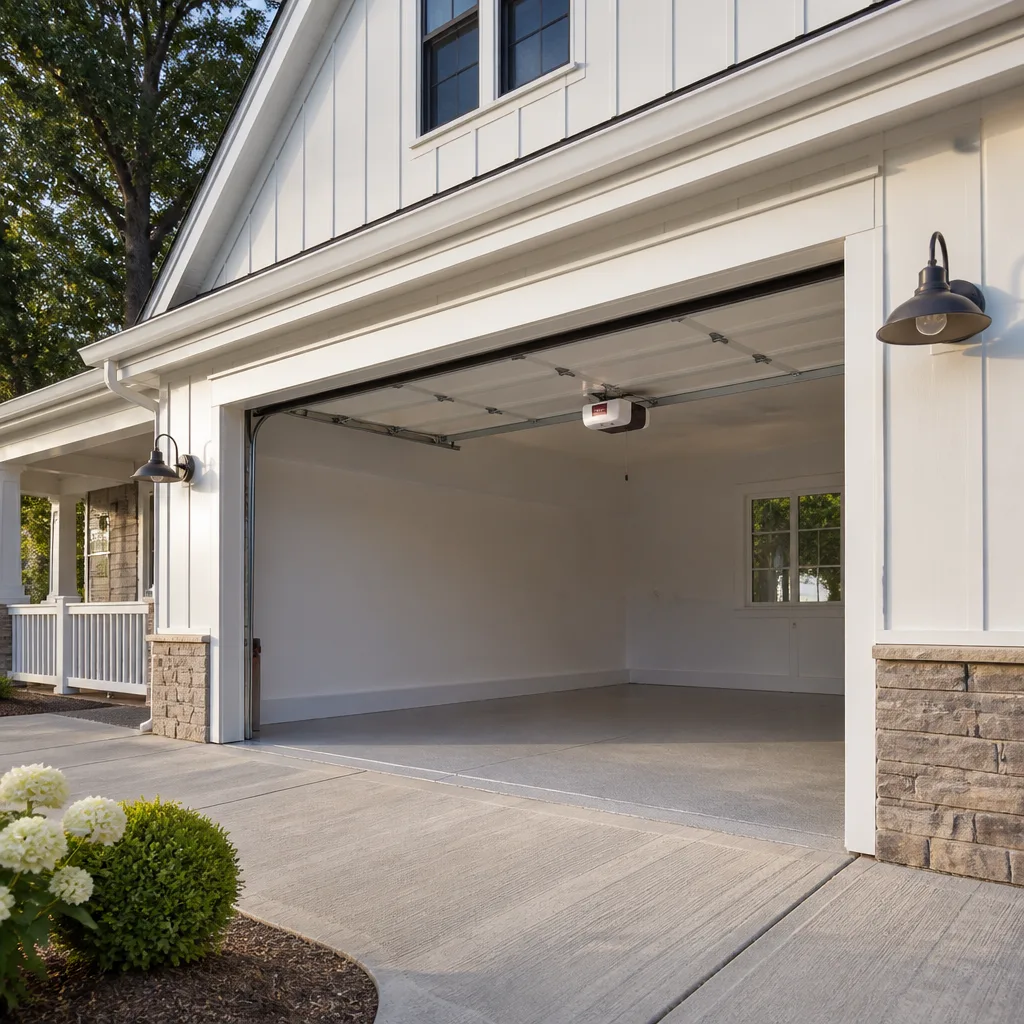 LiftMaster openers
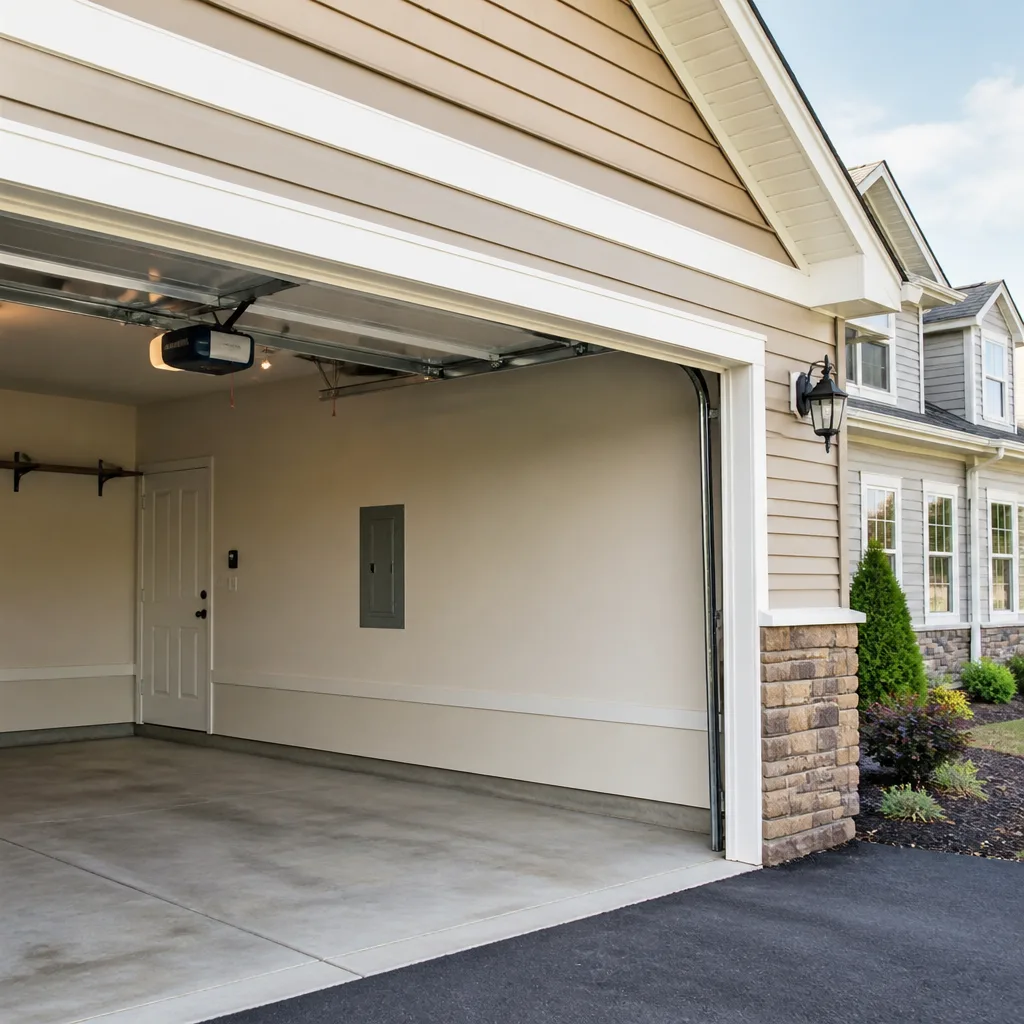 Chamberlain openers
Full 25-point door and opener safety check with every visit - springs, cables, rollers, tracks, and your LiftMaster or Chamberlain opener included
You get a price before we start. It does not change when the pro arrives.
Get your free estimateGarage Door Emergency Preparedness Guide for Taunton Homes
Most Taunton homeowners think about their garage door exactly twice: the day it’s installed and the day it stops working. That gap in planning is the real problem. When a door jams shut with the car inside, when a nor’easter takes down power across Bristol County for days, or when a spring lets go on a cold morning, the people who stay calm are the ones who already know what to do. This guide builds that plan before the emergency, not during it. You’ll learn the manual release, the power outage protocol, what to check before a storm, how to free a car safely, and what to tell a technician so the fix happens on the first visit.
Quick Answer
A garage door emergency in Taunton is almost always one of four things: a dead opener or backup battery during a power outage, a broken spring, an off-track door, or a door stuck closed with a car trapped inside. The single most useful skill is knowing how to use the manual release on your opener, and the single most useful habit is testing your backup battery and door balance before a storm. When the problem involves springs, cables, or an out-of-track door, stop and call a trained technician.
Styles & brands we work with
- Raised-panel steel
- Carriage house
- Modern flush
- Full-view glass
- LiftMaster openers
- Chamberlain openers
Table of Contents
- How Do You Manually Release a Garage Door?
- What’s the Protocol During a Power Outage?
- The Door Is Stuck Closed With the Car Inside. Now What?
- What Should You Check Before a Nor’easter?
- Should the Door Stay Up or Down in High Wind?
- How Do You Describe the Problem So the Fix Is Right the First Time?
- When Is a Garage Door Emergency Too Dangerous to Touch?
- A Year-Round Preparedness Calendar for Taunton Homes
How Do You Manually Release a Garage Door?
Every automatic opener has a manual release, and knowing where yours is takes ten seconds of looking. Pulling the release cord disconnects the door from the opener so you can lift it by hand. Do it wrong, though, and the door can come down hard or jam the trolley in a way that makes re-engagement much harder. Here’s the procedure that works on the brands sold most often around Taunton – Genie, Clopay, Amarr, Wayne Dalton, and the LiftMaster and Chamberlain systems most homes run.
- Make sure no one is standing under the door. A disconnected door is only held by its springs and its tracks. Treat it as heavy and unpredictable.
- Check that the door is fully closed. Release the trolley only when the door is down. If it’s partway up, the spring tension is unbalanced and the door can drop or fly up.
- Find the release cord. It hangs from the trolley on the opener rail, usually with a red or black handle. On a Wayne Dalton iDrive or a wall-mount opener, the release is on the opener itself, not the rail.
- Pull the cord straight down and toward the door. You should feel the trolley disengage. A sharp tug is fine; a yank sideways can bend the trolley arm.
- Lift the door slowly with both hands. A properly balanced door lifts with one hand and stays up where you leave it. If it’s heavy or won’t stay, stop – that’s a spring problem, not a release problem.
- Secure the door before you leave it. Prop or block it if it won’t hold. Never trust an unbalanced door above your head.
The one mistake that makes re-engagement harder is pulling the release while the door is up. The trolley slides along the rail and the door drops; you then have to raise the door manually and walk the trolley back with the opener running until it clicks into place. Do it with the door closed and re-engagement is a single push of the remote.
The release procedure is a safety skill, not a repair skill. Broken springs, frayed cables, and bent tracks need a trained technician; our garage door spring repair service exists for exactly that reason. But knowing how to disconnect and reconnect the door safely is something every Taunton homeowner should be able to do in the dark.
What’s the Protocol During a Power Outage?
When the power goes out, you have two options: a backup battery that keeps the opener working, or manual operation. Most homeowners assume they have a backup battery. Many do, and many of them have a battery that died a year ago and nobody noticed, because the opener never told them. Built-in backup batteries typically last 18 to 24 months, and they quietly stop holding a charge. A dead battery and no manual release knowledge is how a four-day outage turns into four days of parking in the street.
Backup Battery vs. Manual Operation
- Backup battery openers (common on newer LiftMaster and Chamberlain units and on many Genie models) run the door a limited number of cycles during an outage. They’re ideal for getting the car out and back in a few times. They are not meant to run all day.
- Battery test: most backup openers have a test button that runs the door on battery power. Press it once a season. If the door moves slowly or stalls, the battery is on its way out. A slow, labored open on battery is the warning sign.
- No backup battery? Then you’re on manual release, above. Disconnect, lift by hand, and reconnect when power returns.
- Wall-mount openers (like the Wayne Dalton iDrive) have their release on the opener body. Check the manual once so you’re not reading it by flashlight.
One more outage detail: openers with a battery backup often have a small light or a beep that signals low battery, but many don’t. The only reliable test is to press the test button and watch. We’ve seen plenty of Taunton homes where the battery was three years old and the owner found out during the first storm of the season.
If your opener won’t run on battery or the door feels wrong during an outage, an garage door opener repair visit can sort out the battery and the unit together. Call (844) 491-7235 and we’ll walk through it with you.
The Door Is Stuck Closed With the Car Inside. Now What?
This is the most common emergency we hear about in Taunton, and the good news is that a stuck-closed door usually doesn’t need a tow. It needs a careful sequence. Your goals, in order: get the door open, get the car out, don’t damage the bottom seal or bend the bottom section, and then call for a proper repair.
- Rule out the simple causes first. Check the photo-eye safety sensors at the bottom of the tracks for a spider web, a leaf, or a misaligned lens. Check that the opener is receiving power and the lock isn’t engaged. Check the wall switch isn’t stuck. These account for a surprising share of “stuck” doors.
- Try the manual release with the door down. Pull the release cord, then lift the door slowly by hand. A balanced door comes up easily. If it won’t lift or feels like it’s fighting you, a spring or cable has failed – stop and call.
- Open the door just enough to clear the car, not all the way. Lifting partway and stopping keeps the door low and stable. Have someone steady it while you back out.
- Back the car out slowly and squarely. Don’t cut the wheel; the door’s bottom section and seal are low and a front tire or the car’s nose can catch it on a sharp angle.
- Lower the door gently by hand or leave it open and call. If you can’t re-engage the opener, prop the door securely and book a technician. Don’t leave a disconnected door hanging over the car overnight.
The bottom seal and the bottom section are the parts most often damaged in a rescue. A buckled bottom panel can mean a panel replacement – sometimes an easy fix, sometimes a whole new door, depending on the brand and whether the panel is still in production. Amarr and Clopay panels are usually the easiest to match.
If the door comes up unevenly, tilts, or grinds, don’t force it. That’s a cable or track problem and forcing it can bring the whole door down. Our garage door repair team handles panel damage, tracks, cables, and seals on one visit.
What Should You Check Before a Nor’easter?
A nor’easter doesn’t usually damage a solid, well-maintained door. It finds the weak point – a loose bracket, a worn roller, a door that’s been out of balance for months. The time to check those is the day before the storm, not during it. Here’s the pre-storm checklist we’d hand any Taunton homeowner:
- Balance test: disconnect the door, lift it halfway, and let go. A balanced door stays put. A door that drops or rises on its own has a spring problem and should be serviced before a storm, not after.
- Track check: look for gaps between the track and the wall, bent or separated corners, and loose bolts. A track that wobbles in normal use will fail in a wind event.
- Weather seal and bottom seal: a torn seal lets water and debris in and can catch the wind. Replace it before storm season if it’s brittle.
- Wiring and sensors: make sure the opener wiring is secure and not dangling. In high wind, a loose wire is a thing that gets pulled.
- Battery test: press the backup battery test button. If the door moves slowly on battery, replace the battery now.
- Rollers and hinges: worn rollers and loose hinges are small jobs that prevent bigger ones. Tighten or replace them while it’s calm.
- Manual release check: pull it once now, in daylight, and re-engage it. That way you know how it feels before you’re doing it by flashlight.
Taunton sits in a part of Bristol County that sees its share of nor’easters, ice storms, and the occasional summer squall. The doors that come through those events in good shape are usually the ones whose owners spend 20 minutes in September checking them over. The ones that fail are almost always doors with a worn spring, a loose track, or a dead battery that nobody knew about until it mattered.
Should the Door Stay Up or Down in High Wind?
For most homeowners the answer is simple: keep the garage door down during high wind. A closed door is braced against its frame and tracks and is far stronger in wind than an open one. An open door is a sail, and it catches gusts that can twist panels, bend tracks, and can even pull the whole opener arm loose.
When It Makes Sense to Leave It Up
- You need to move the car and don’t know how long the door will open. Get the car in or out, then close it.
- You’re working in the garage and the wind isn’t gusting above what the door is rated for. Small doors on calm days are fine; a nor’easter is not.
- The door is stuck open and won’t close. Then secure it as best you can, block the opening, and call for an emergency repair. A door stuck open during a storm is both a security and a wind risk.
The mistake we see most often is leaving a door open “for a minute” on a gusty day. Wind changes fast. On the day of a nor’easter, close the door and leave it closed. If the power drops, use the manual release if you need to get the car out, then close it again by hand and re-engage the opener.
One Taunton-specific note: older doors with wood panels and tired rollers are more wind-sensitive than newer steel and aluminum doors. A Clopay or Amarr steel door in good repair handles a nor’easter well. A wood-panel door with a loose track can be damaged by a strong gust even when closed. If your door is older and feels loose or rattly, it’s worth a look from a technician before the season turns. Our Taunton Garage Door Repair Co team can check the balance, tracks, and hardware and tell you honestly what’s worth fixing.
How Do You Describe the Problem So the Fix Is Right the First Time?
The difference between a one-visit repair and a second trip charge is usually how well the homeowner describes the problem on the phone. Technicians arrive with the parts and tools for what they expect to find. If you can describe the symptom accurately, you’re more likely to get the fix in one go and less likely to pay a return-trip fee.
What to Have Ready Before You Call
- The brand of your door and your opener. A Genie opener with a Wayne Dalton door tells a technician a lot. If you don’t know, look at the label on the opener rail and the door’s hinges.
- What the door does now. “Won’t open at all,” “opens six inches and stops,” “opens but won’t close,” “closes and immediately reopens.” Each points to a different cause.
- What you hear. Motor runs but door doesn’t move (release or spring). Motor hums and stops (opener or capacitor). Grinding or scraping (roller, track, or panel). Sharp bang from the garage (spring).
- What you’ve already tried. Manual release, sensors, wall switch, test button. Say what you did so the technician doesn’t spend time on it again.
- Whether there’s a car inside. This changes the urgency and the approach.
- Approximate age of the door and opener. A 15-year-old opener and a two-year-old opener have different likely failure points.
A good dispatcher will ask these questions anyway. Having the answers ready speeds up the call and helps the technician load the right parts. If the door is stuck closed with the car inside, say so up front – that’s an emergency call, and we treat it that way. Call (844) 491-7235, describe the symptom, and we’ll get the right technician to you with the right parts.
When Is a Garage Door Emergency Too Dangerous to Touch?
Some garage door emergencies are safe for a homeowner to manage. Others can cause serious injury in seconds. The dividing line is springs and cables. A torsion spring holds hundreds of pounds of tension, and when one fails it releases that energy instantly. A broken extension spring can whip a cable across the garage. These are not repairs to attempt with a ladder and a pair of gloves, no matter how many videos you’ve watched.
Stop and Call a Technician If:
- You heard a loud bang from the garage and the door won’t lift, or lifts unevenly.
- You see a gap in a torsion spring, or an extension spring is stretched out and hanging.
- A cable is slack, frayed, or off its drum.
- The door is crooked in its tracks or a roller has popped out.
- The door drops when you release it – a sign of spring failure.
- You smell burning from the opener or see a scorched outlet.
The safe homeowner actions are these: use the manual release as described above, keep people and pets away from the door, don’t force it, don’t try to lift a door with a dead spring, and call for help. Our technicians have up to 14 years of experience and handle spring repairs every day – this is exactly the job to leave to a trained specialist. Spring repair is our garage door spring repair service, and it’s a standalone offering because it’s the most dangerous repair most homeowners will ever consider attempting on their own. Leave it alone and let us take it.
A Year-Round Preparedness Calendar for Taunton Homes
The best garage door emergency is the one you prevent. Here’s how a simple yearly rhythm keeps your door in shape across a Taunton year – hotter, humid summers, cold winters with ice, and the nor’easters that come with the shoulder seasons.
- Spring (after the last freeze): test the door balance, check the bottom seal for cracks from winter ice, lubricate hinges and rollers with a garage-door-rated lubricant, and look at the tracks for rust or bending from freeze-thaw.
- Early summer: test the backup battery and run the opener through a full cycle on battery. Check the sensors for debris and clean the photo-eye lenses. Listen for any new grinding or scraping.
- Late summer (before storm season): tighten loose bolts, check weather stripping, clear the tracks of debris, and confirm the manual release operates smoothly.
- Fall (before the first nor’easter): full pre-storm inspection as above. Replace a worn bottom seal now, not during a storm. Test the opener’s reverse function with a small object on the ground.
- Winter: keep the bottom seal clear of ice buildup. Never force a door that’s frozen to the ground. If the door won’t open easily, release it and check for a frozen seal before assuming a mechanical failure.
Twenty minutes once a season is the difference between a door that handles a Bristol County winter and a door that quits on the coldest morning of the year. If you’d rather have a technician run through it, our team is happy to check the whole door and opener in one visit.
Common Mistakes to Avoid
- Pulling the manual release while the door is up. The trolley slides down the rail and re-engaging the opener becomes a two-person job. Always release with the door fully down.
- Assuming the backup battery is fine. Most built-in backup batteries last 18 to 24 months and fail silently. Test it with the button or a full cycle before storm season, or you’ll be doing manual open on a four-day outage.
- Forcing a stuck door with a dead spring. The door is heavy for a reason. Pushing it may bring it down or bend the tracks further. Leave it and call.
- Leaving the door open during a nor’easter “for a minute.” A gust can twist panels and bend tracks. Close it before the wind picks up.
- Skipping the winter seal check. Ice under the bottom seal cracks it and freezes the door to the floor. Clear it before it freezes, not after.
- Calling a generalist after a spring failure. A handyman doesn’t stock torsion springs in the right wire gauge for your door. A specialist arrives with the right parts and does it safely.
- Not knowing the brand on your door and opener. “It’s a garage door” is all many homeowners can say. Note the brand now – Genie, Clopay, Amarr, Wayne Dalton, LiftMaster, Chamberlain, Craftsman, or Raynor – so the technician can prep before arrival.
See the difference
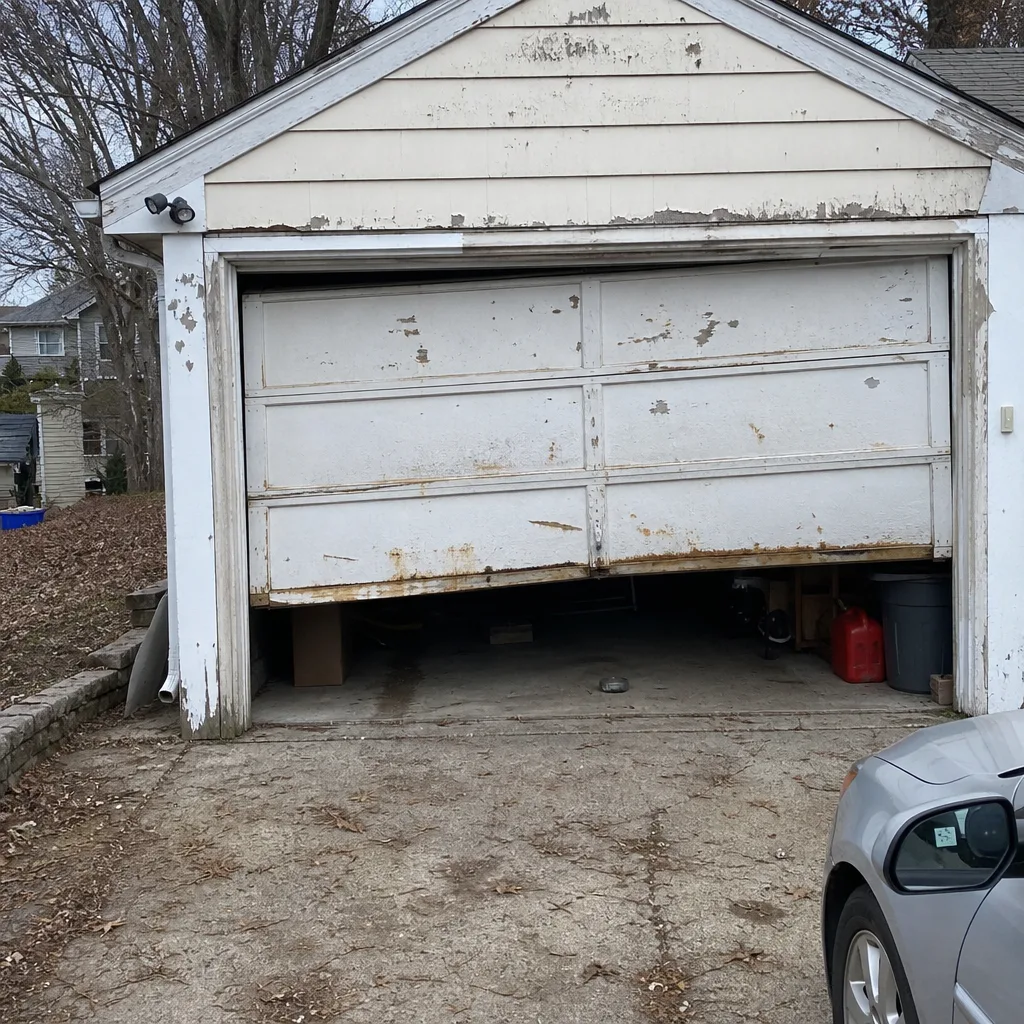 Before
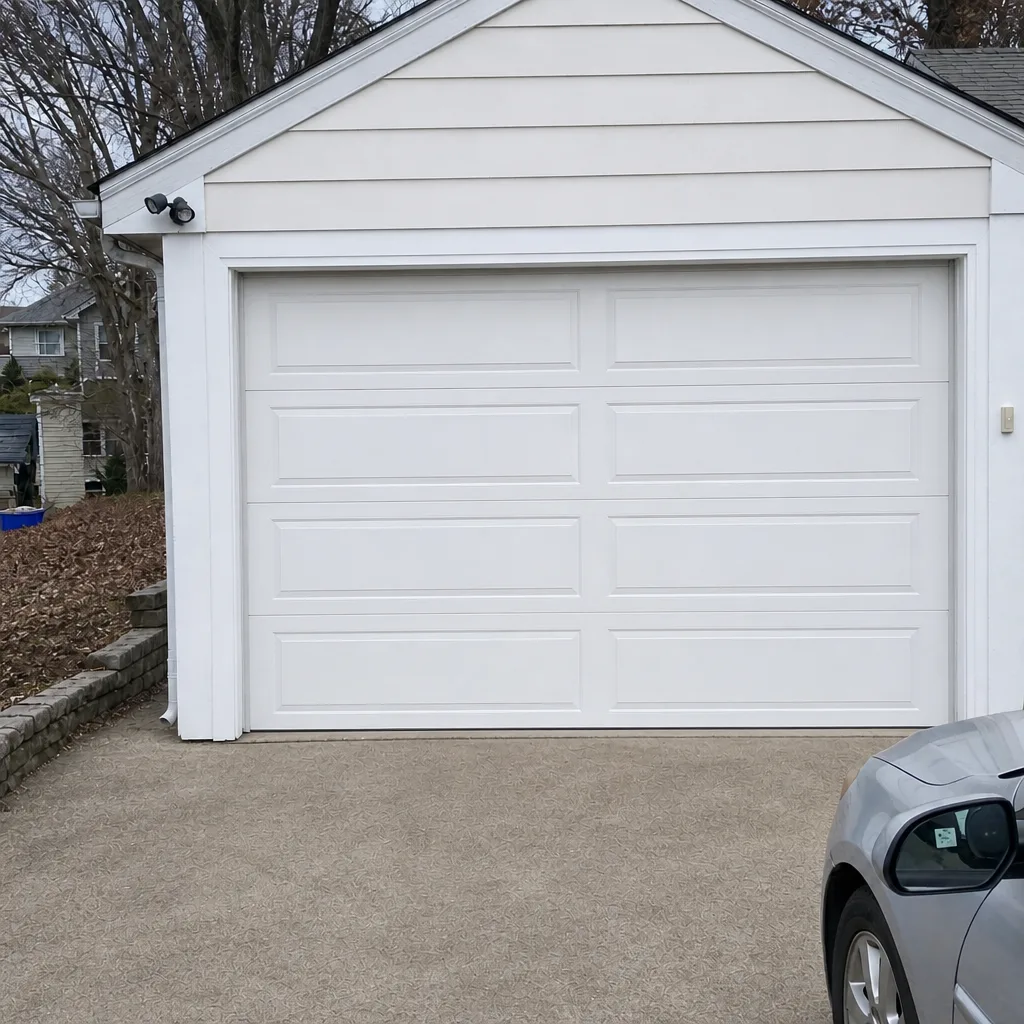 After
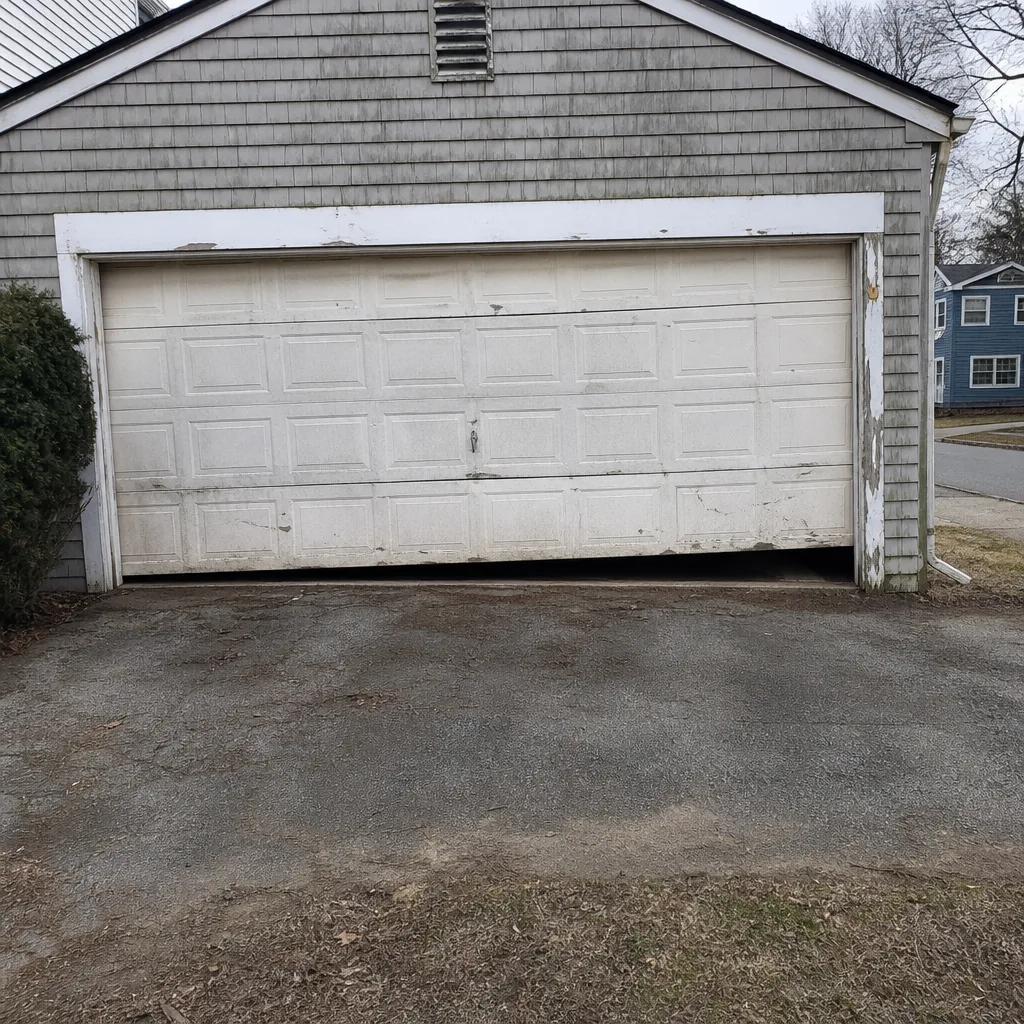 Before
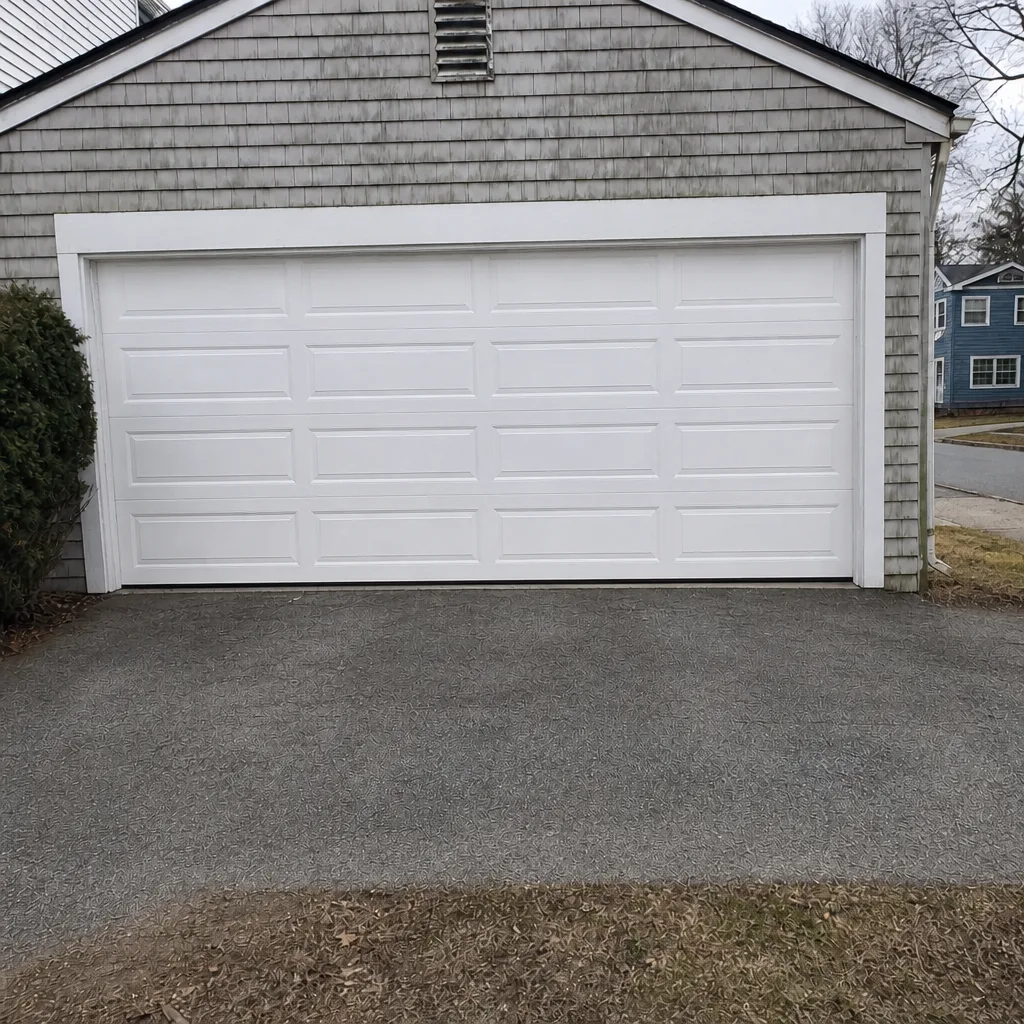 After
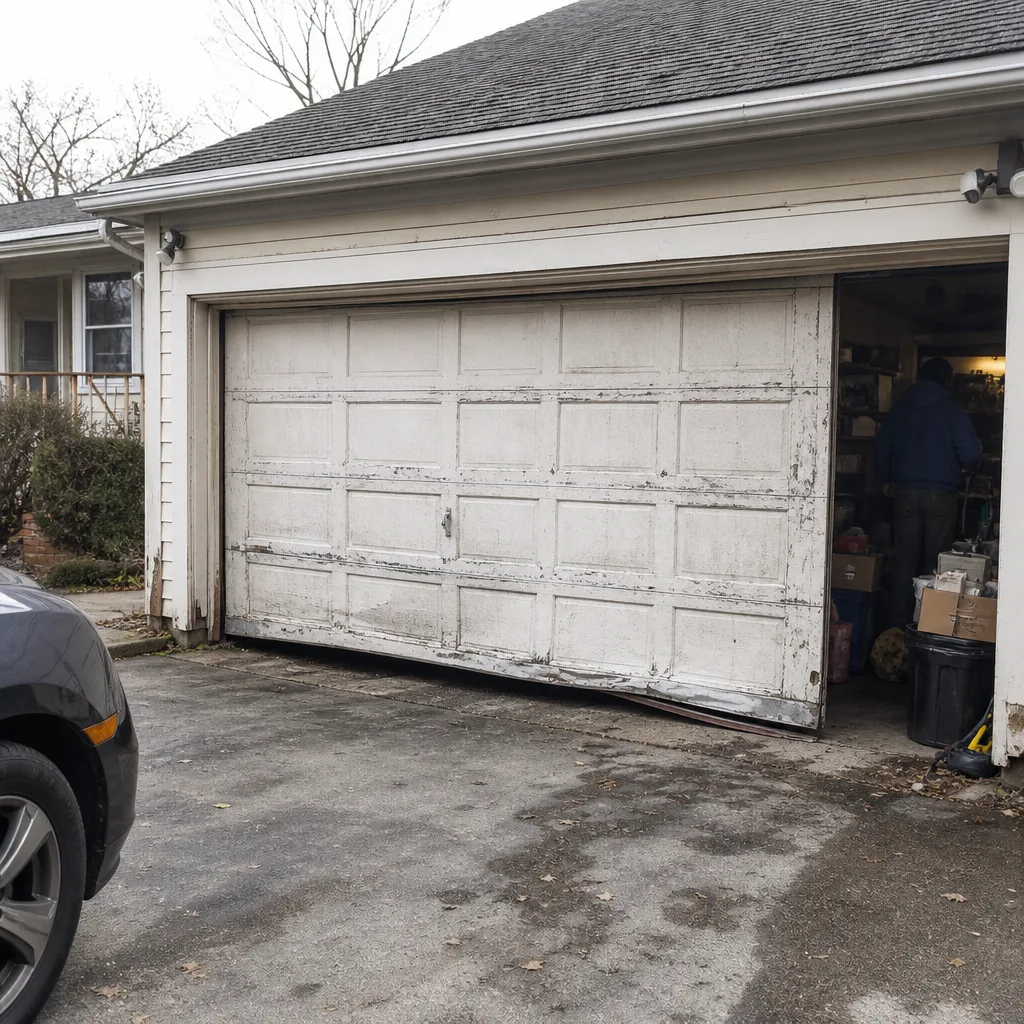 Before
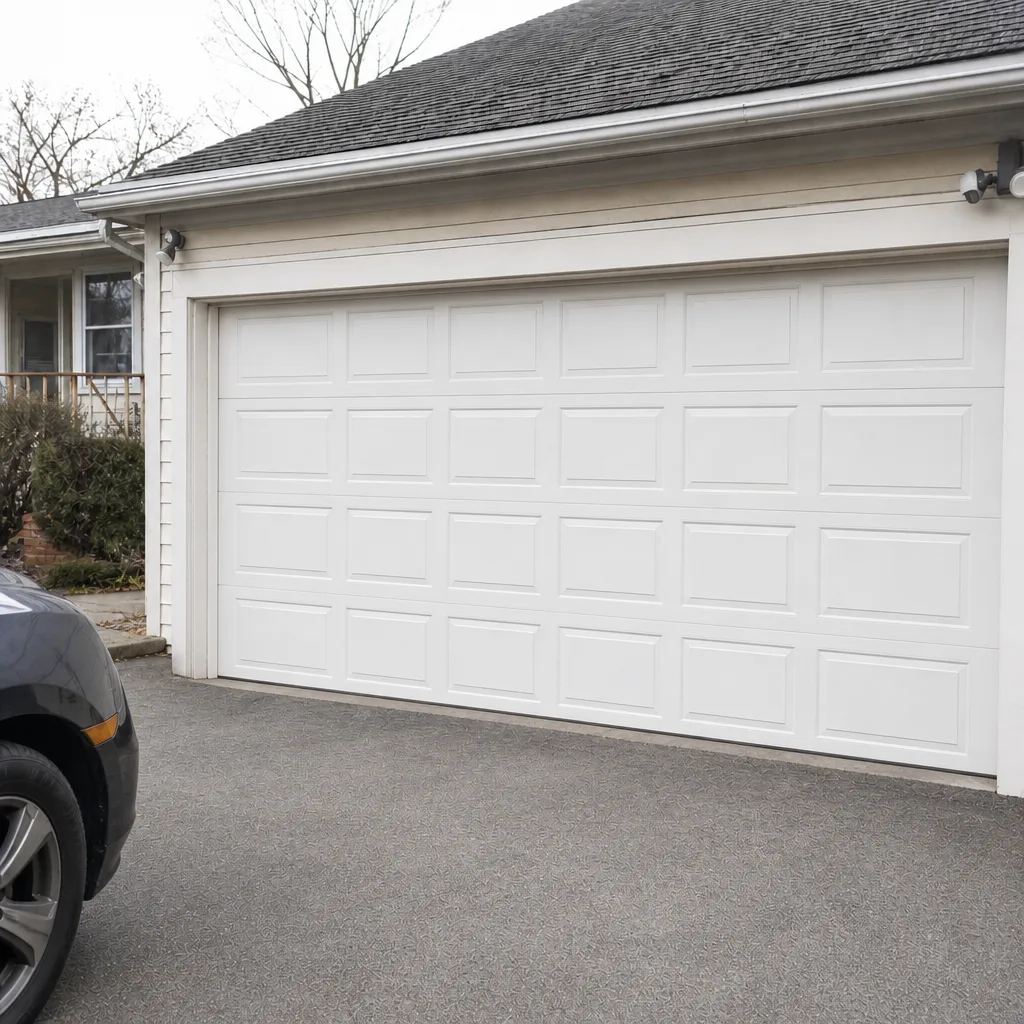 After
When to Call a Professional
Call a professional the moment the problem involves a spring, a cable, an off-track door, a bent bottom section, or an opener that hums but won’t move. Call immediately if the door is stuck closed with a car inside, or stuck open during a storm. Call if the door comes up crooked, grinds, or drops when released. Those are the situations that can cost far more – in panel damage, in injury, in a second visit – if you keep trying on your own. For routine checks, opener battery questions, and pre-storm inspections, a call is just as sensible. Taunton Garage Door Repair Co offers free estimates in Taunton – call (844) 491-7235. We connect you with a vetted local technician who’s trained on the brand on your door.
Frequently Asked Questions
Check the sensors and wall switch first, then use the manual release with the door fully down and lift it just enough to clear the car. Back out slowly and squarely so you don’t catch the bottom seal, then close the door by hand or prop it and call a technician. Never force a door that feels heavy or won’t stay up – that’s a spring problem. Call (844) 491-7235 and we’ll get a technician out to you – estimates are free.
Most built-in backup batteries last 18 to 24 months and quietly stop holding a charge. Test the battery once a season with the opener’s test button or a full door cycle, and replace it when the door moves slowly or stalls on battery. A dead battery plus no manual release knowledge is how a power outage becomes a multi-day lockout. Call (844) 491-7235 if you’d like us to check the opener and battery together.
Yes – either the backup battery runs the opener for a limited number of cycles, or you use the manual release to disconnect the door and lift it by hand. Always release with the door fully down, lift slowly with both hands, and re-engage the trolley by running the opener once power returns. If the door is too heavy to lift, stop and call. Call (844) 491-7235 for help – estimates are free.
Keep it closed. A closed door is braced and far stronger in wind than an open one. An open door catches gusts and can twist panels or bend tracks. If the door won’t close, secure the opening, keep people clear, and call for emergency service – a door stuck open during a storm is a wind and a security risk. Call (844) 491-7235 and we’ll dispatch a technician – estimates are free.
No. We quote and agree the price with you before any work starts, and the written estimate sets the final price. If we find something we didn’t expect, we tell you before touching it so you decide whether to go ahead. Call (844) 491-7235 for a free estimate – you’ll know the price before any work begins.
The local professional we connect you with is licensed and insured as their state requires, and our technicians have up to 14 years of experience on the major door and opener brands. Taunton Garage Door Repair Co connects homeowners with independent local pros who perform the work. Call (844) 491-7235 for a free estimate and we’ll get a vetted technician out to you.
The Bottom Line
Garage door emergencies in Taunton usually come down to a handful of things: a spring gives out, a track bends, the opener dies during an outage, or the door sticks closed with the car inside. Almost all of them are easier and cheaper to handle if you already know the manual release, test your backup battery every season, keep the door down in high wind, and inspect the door before storm season. Springs and cables are the work of a trained technician, never a DIY job. Taunton Garage Door Repair Co is here for the rest – emergency calls, opener repairs, spring service, and new installations. If you’re not sure, call (844) 491-7235 for a free estimate and we’ll take a look.
Written by the team at Taunton Garage Door Repair Co.