Last updated November 22, 2026
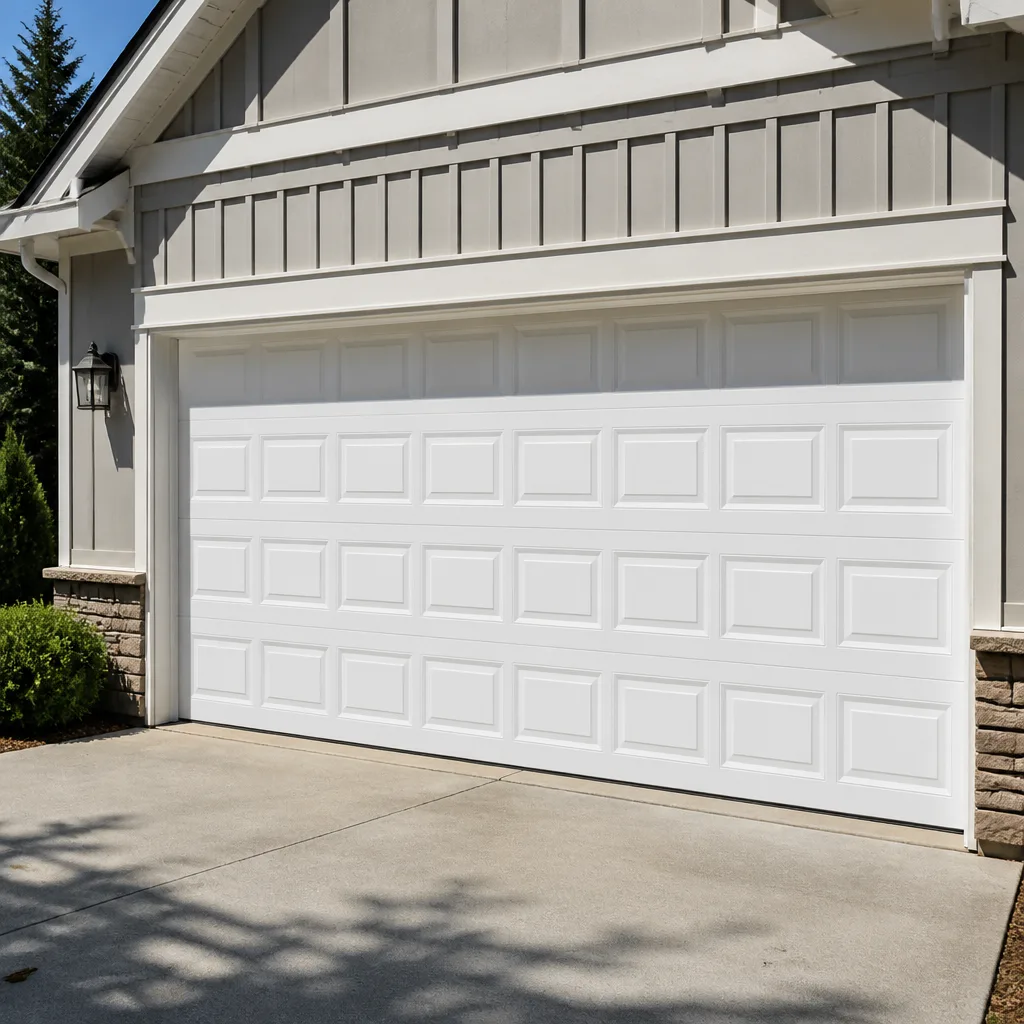 Raised-panel steel
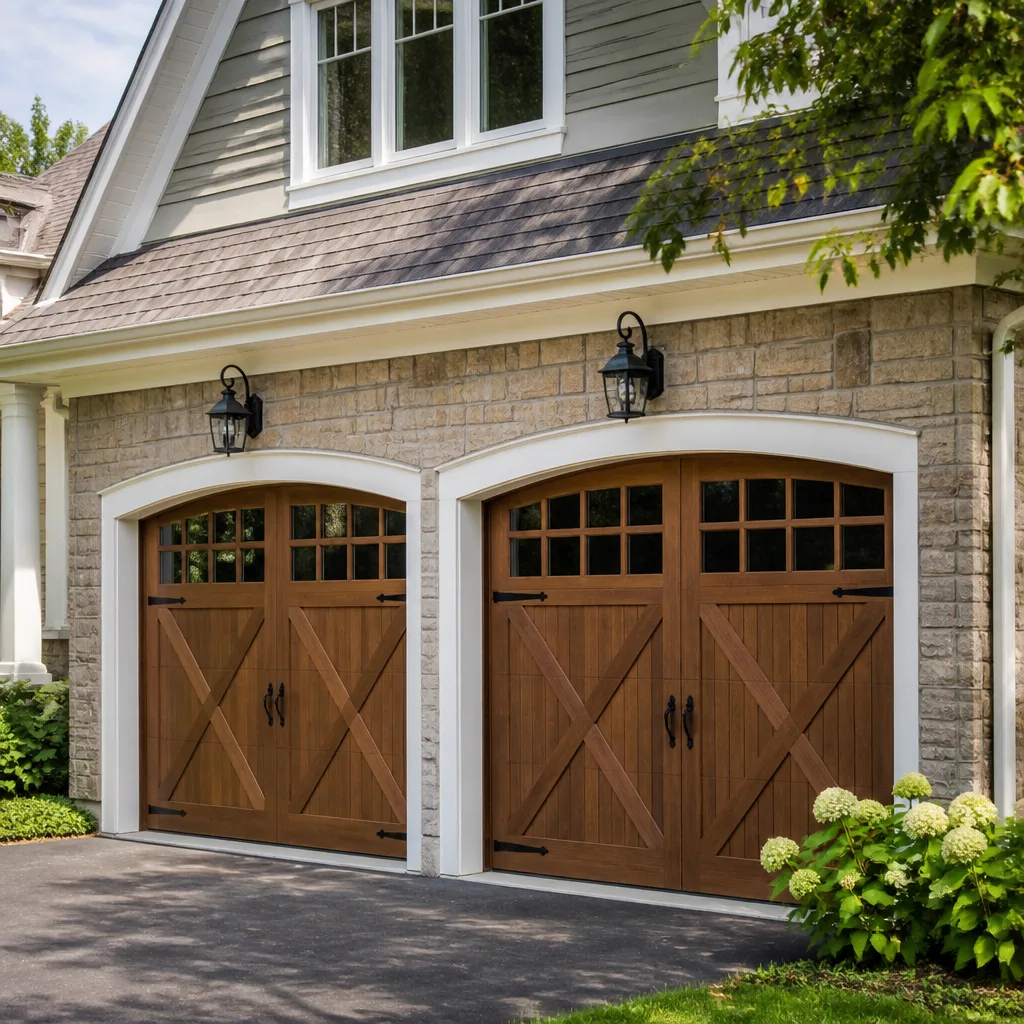 Carriage house
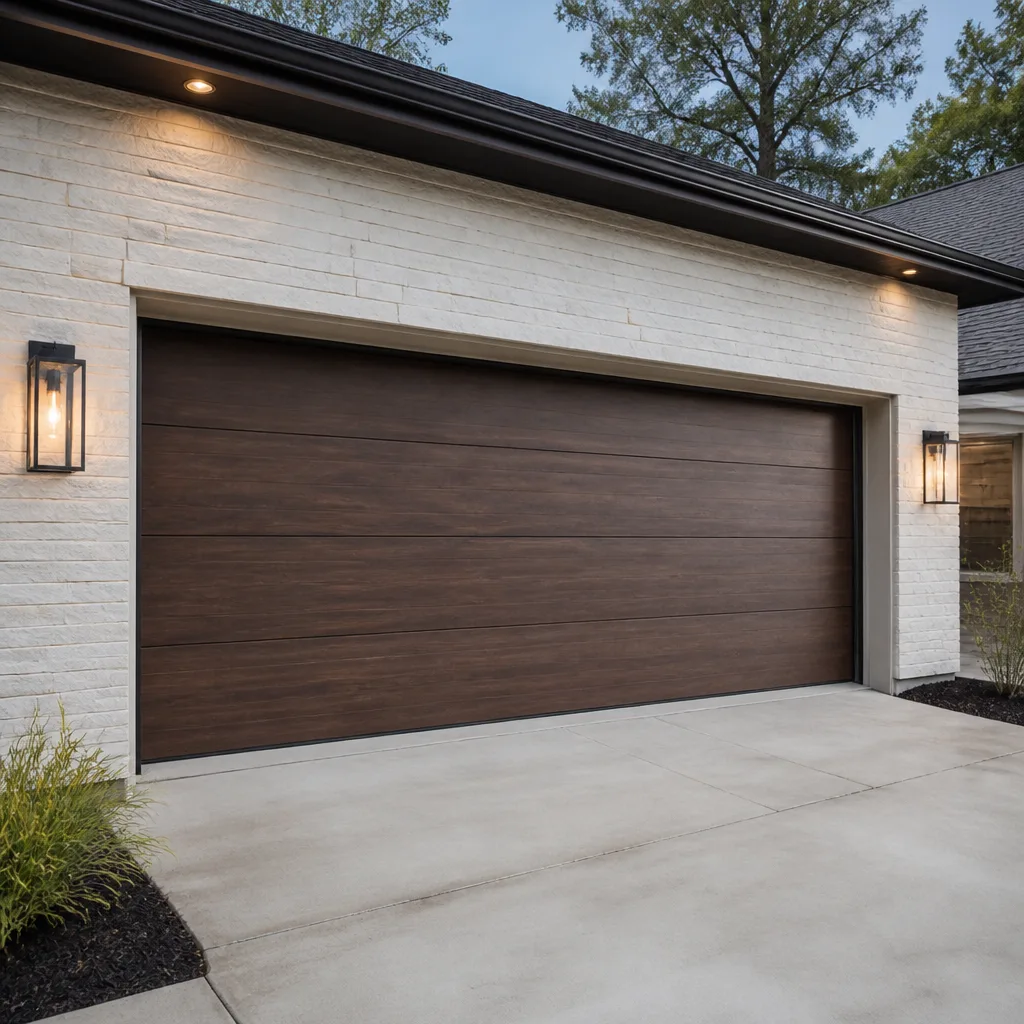 Modern flush
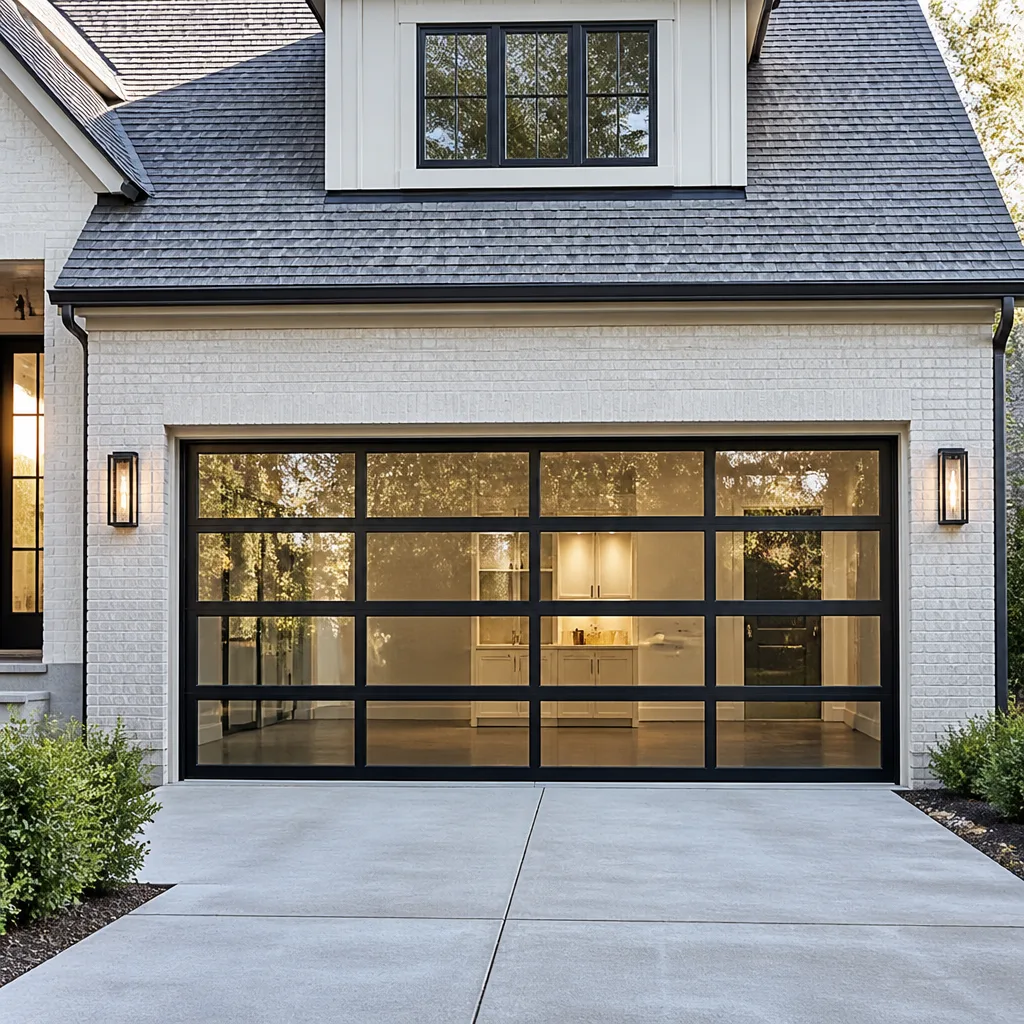 Full-view glass
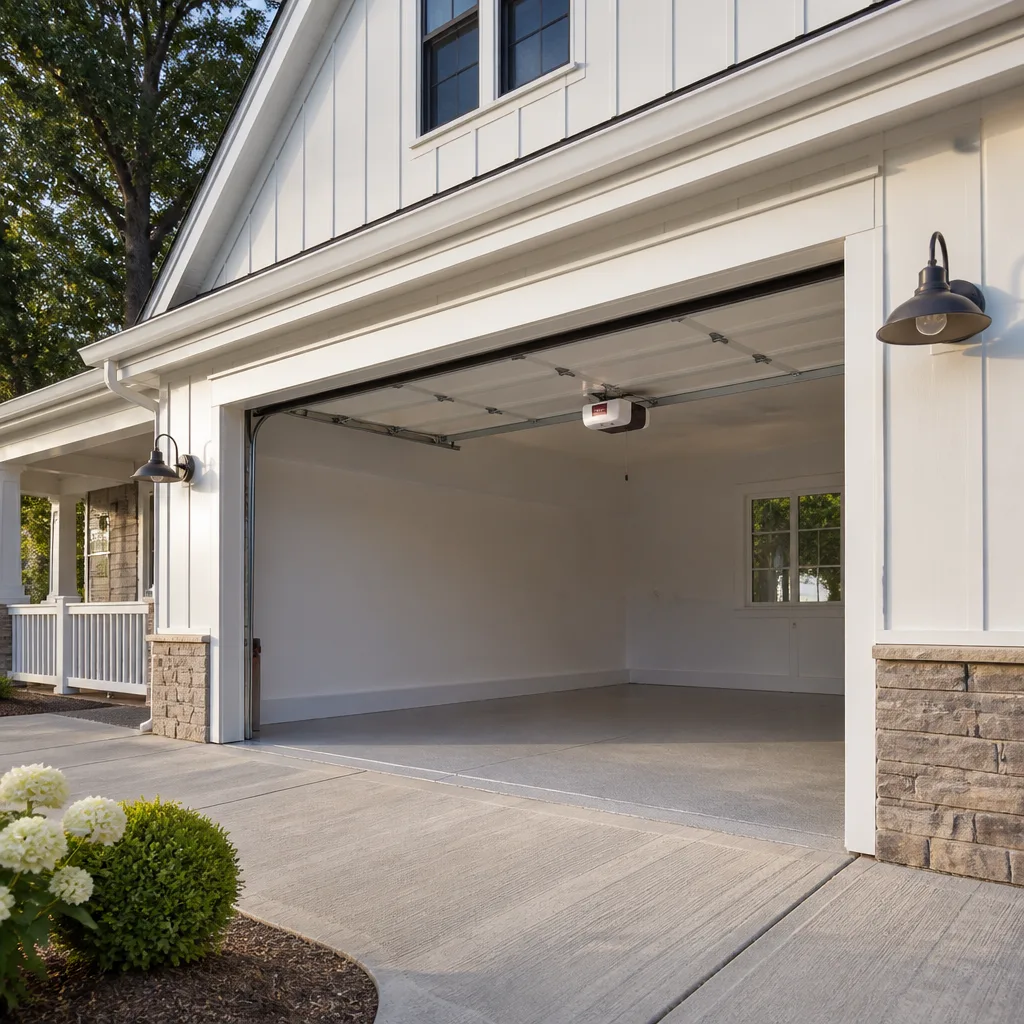 LiftMaster openers
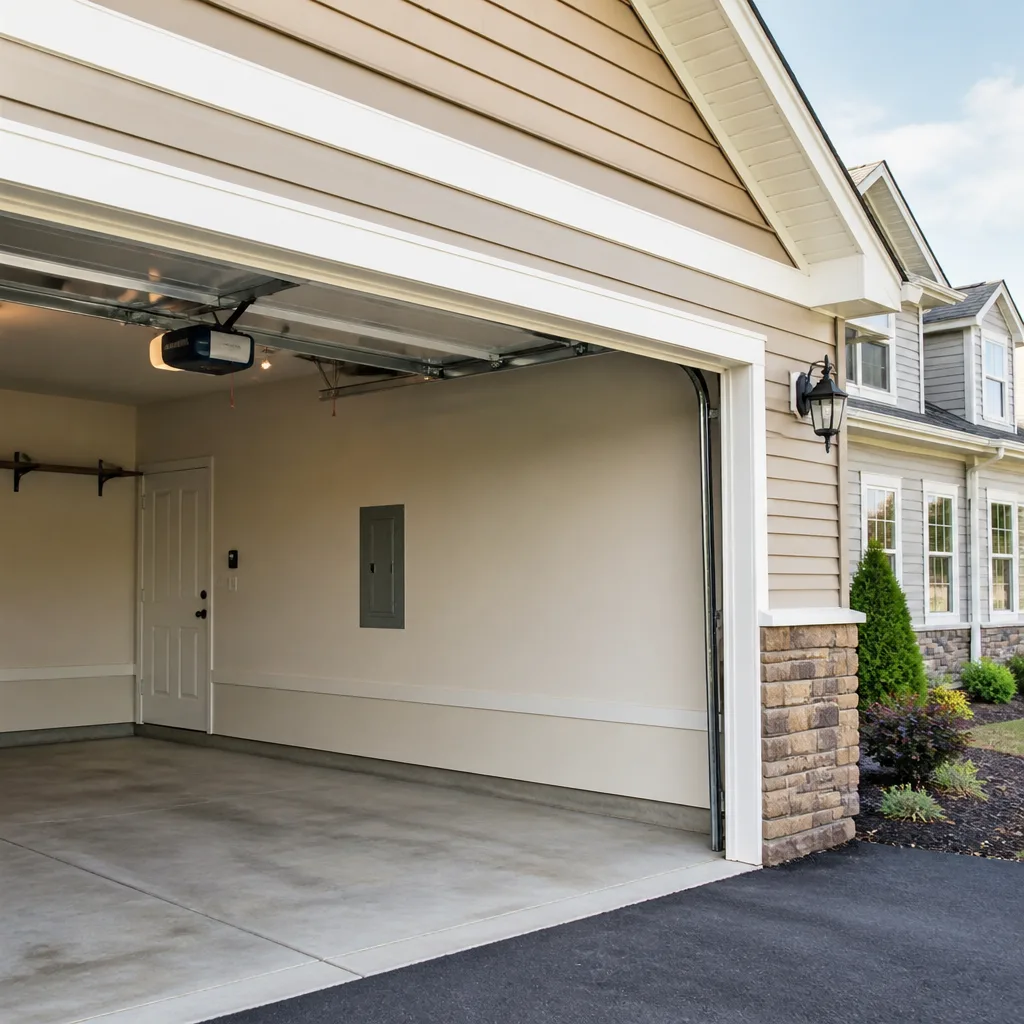 Chamberlain openers
Full 25-point door and opener safety check with every visit - springs, cables, rollers, tracks, and your LiftMaster or Chamberlain opener included
You get a price before we start. It does not change when the pro arrives.
Get your free estimateGarage Door Repair Troubleshooting in Taunton: Common Problems and How to Fix Them
The call-back we get most often after a DIY garage door repair isn’t a failed fix. It’s a snapped spring or a jumped cable that happened because the homeowner solved the symptom and missed the cause. A door that squeals gets sprayed with lubricant when the real problem is a worn roller. A door that reverses gets its photo-eye wiped when the actual issue is a bent track. Taunton’s freeze-thaw cycle makes this worse: bottom seals stiffen and track gaps open up, and the symptoms look exactly like an opener fault. This guide maps those symptoms to root causes the way we diagnose them on a service call, so you know what you can safely check and what needs a trained technician.
Quick Answer
Most garage door problems in Taunton fall into five mechanical categories: balance and spring issues, track and roller misalignment, opener and operator faults, sensor and safety-reverse failures, and seal and weatherstripping damage. You can safely check photo-eye alignment, track obstructions, and your opener’s blink codes yourself. Spring tension, cable drums, and trolley carriage adjustments require a trained technician because the stored tension in those components can cause serious injury.
Styles & brands we work with
- Raised-panel steel
- Carriage house
- Modern flush
- Full-view glass
- LiftMaster openers
- Chamberlain openers
Table of Contents
- The Symptom-to-Cause Matrix: Mapping Your Door’s Behavior
- What You Can Safely Check vs. What Requires a Pro
- Why Taunton’s Freeze-Thaw Cycle Causes Seals and Track Gaps
- How to Read Your Opener’s Error Blink Codes Before Calling
- The Two Adjustments Most Guides Skip: Travel Limits and Force Sensitivity
- Noisy, Slow, or Sticking Doors: What Each Sound Tells You
- Door Reverses or Won’t Close: Tracing the Safety Circuit
- Brand-Specific Troubleshooting in Taunton
The Symptom-to-Cause Matrix: Mapping Your Door’s Behavior
A garage door that acts up is telling you something specific. The trick is reading the symptom correctly before you touch anything. Here’s how we sort them when we arrive on a call in Taunton.
- Door is noisy but moves normally. Usually worn nylon rollers, dry hinges, or a loose panel bolt. Rarely the opener. Lubricating hinges and checking roller condition is a safe homeowner check.
- Door moves slowly or strains. Often a spring that’s lost tension or a binding track. If the door is heavy to lift by hand (with the opener disconnected), the spring is the likely cause.
- Door is stuck in one position. Could be a broken spring, a snapped cable, or a trolley carriage that’s disengaged from the rail. Do not force it.
- Door reverses immediately after closing. Sensor misalignment, an obstruction in the track, or a force setting that’s too sensitive.
- Door won’t close at all. Usually a photo-eye problem, a limit switch set wrong, or a logic board fault in the opener.
- Door opens partway then stops. Travel limit settings or a failing limit switch inside the opener housing.
The key insight: noisy, slow, and stuck are mechanical problems in the door itself. Reversing and won’t-close are usually safety-circuit problems in the opener. That distinction determines whether you’re looking at a door repair or an opener repair, and it’s the first thing we establish on any call in Taunton.
If your door is making noise but still cycling, that’s often a good time to schedule garage door repair before a worn roller turns into a bent track.
What You Can Safely Check vs. What Requires a Pro
Some troubleshooting is genuinely safe for a homeowner. Some can put you in the emergency room. Here’s the line, and it’s a hard line.
Safe for homeowners
- Photo-eye alignment. Look at the two sensors mounted near the floor on each side of the door. Each should have a steady indicator light. If one is blinking or dark, the beam is broken or the sensor is misaligned. Wipe the lenses and check that nothing is blocking the path.
- Track obstructions. With the door fully open and the opener disconnected, look for debris, a bent track section, or a roller that’s popped out of the channel. Clear debris only.
- Limit switch and force dial inspection. On most openers, these are the two adjustment screws on the back or side of the motor housing. You can look at them and note their positions. Adjusting them is covered below.
- Blink code reading. The opener’s LED flashes a pattern that corresponds to a specific fault. This is diagnostic gold and completely safe to read.
- Manual release test. Pull the red release cord to disconnect the door from the opener, then lift the door by hand. A properly balanced door should lift with one hand and stay open at waist height. If it’s heavy or slams down, the spring is the problem.
Requires a trained technician
- Spring tension adjustments. Torsion springs store enormous energy. A spring under tension can cause severe injury if it releases unexpectedly. This is not a DIY job under any circumstances.
- Cable replacement or drum work. Cables are under tension and can snap with lethal force. A jumped cable also usually means the spring or drum has an underlying problem.
- Trolley carriage and rail alignment. The carriage connects the opener to the door. Misalignment here can damage the opener motor or cause the door to bind.
- Panel replacement or structural repair. A bent or cracked panel affects the door’s balance and can compromise the whole system.
We’ve seen homeowners in Taunton try to adjust a torsion spring with a pair of vice grips and a ladder. Please don’t. Springs are dangerous, and they belong to a trained technician. If your door fails the manual release test, that’s your signal to stop and call.
Why Taunton’s Freeze-Thaw Cycle Causes Seals and Track Gaps
Taunton sits in a climate where winter temperatures routinely swing above and below freezing. That freeze-thaw cycle does specific things to a garage door that homeowners often mistake for opener problems.
When water gets into the gap at the bottom of the door and freezes, it expands. That expansion pushes the bottom seal out of its channel or cracks the rubber. When it thaws, the seal is now deformed and no longer makes contact with the floor. The door closes, the opener thinks it’s done, but there’s a visible gap at the bottom. Homeowners see this and assume the opener isn’t closing the door all the way. It is. The seal is the problem.
The same cycle affects the vertical tracks. Moisture gets behind the track mounting brackets, freezes, and pushes the track slightly out of plumb. A track that’s out by even a quarter inch can cause the door to bind on one side, which makes the opener strain or reverse. The symptom looks electrical. The cause is mechanical and seasonal.
We see this pattern across Taunton every spring: a wave of calls about doors that won’t close flush or reverse near the floor. The fix is usually a bottom seal replacement and a track realignment, not an opener repair. If you’re seeing a gap at the bottom of your door after a cold snap, check the seal first.
How to Read Your Opener’s Error Blink Codes Before Calling
Most modern openers, including LiftMaster and Chamberlain units, will tell you exactly what’s wrong if you know where to look. The diagnostic LED on the motor housing flashes a repeating pattern. Count the flashes, then pause, then count again.
- Locate the diagnostic LED. It’s usually on the back panel or under the light lens of the motor unit. It may be labeled “Diagnostic” or just be a small LED next to the learn button.
- Press the wall control or remote to cycle the door. The LED will flash a pattern after the door stops or reverses.
- Count the flashes in the first group, then the second group. A pattern like 3 flashes, pause, 2 flashes means code 3-2. Check your opener’s manual or the label inside the motor cover for what that code means.
- Common codes to know: A pattern indicating a photo-eye fault means the safety sensors are blocked or misaligned. A pattern indicating a travel limit fault means the opener doesn’t know where the door’s open or closed position is. A pattern indicating a force fault means the opener detected resistance and reversed for safety.
Reading the code before you call saves time and often narrows the problem to a specific component. When you call us, tell us the brand and the blink pattern. We work on LiftMaster, Chamberlain, Genie, Craftsman, and Raynor systems regularly, and that code tells us what to bring.
If the code points to the opener itself, that’s garage door opener repair territory rather than a door problem, and the fix is usually straightforward once the fault is identified.
The Two Adjustments Most Guides Skip: Travel Limits and Force Sensitivity
Two settings on your opener cause the majority of “door won’t close” complaints, and most troubleshooting guides barely mention them. They’re the travel limit and the force sensitivity, and they work together.
Travel limits tell the opener where the door’s fully open and fully closed positions are. If the down limit is set too high, the door stops before it reaches the floor. If it’s set too low, the opener keeps pushing after the door has closed, which strains the motor and can bow the top panel. On most openers, the limit adjustment screws are labeled “Open” and “Close” or “Up” and “Down.” A quarter turn moves the limit slightly. Test after each adjustment.
Force sensitivity controls how much resistance the opener tolerates before it reverses. Set too sensitive, and a slightly stiff seal or a cold morning will cause the door to reverse for no apparent reason. Set too loose, and the opener won’t reverse when it should, which is a safety hazard. The force dial is usually next to the limit screws.
Here’s the trap: adjusting force to compensate for a mechanical problem masks the real issue. If your door needs more force to close than it used to, something in the door is binding. Cranking up the force setting is like turning up the radio to drown out a noise. The underlying problem gets worse. We check the door’s balance and track alignment before touching the force setting, because the setting should match a healthy door, not compensate for a sick one.
Noisy, Slow, or Sticking Doors: What Each Sound Tells You
Sound is diagnostic. A garage door that grinds, squeals, or thumps is telling you which component is failing.
- Squealing or high-pitched screech. Metal-on-metal contact. Usually dry hinges, worn steel rollers, or a torsion tube that needs lubrication. Nylon rollers are quieter than steel and less prone to this.
- Grinding or rumbling. Often a worn bearing plate or a roller that’s seized and dragging in the track. If the grinding comes from the opener itself, the gear or sprocket inside the motor housing may be worn.
- Popping or snapping. This is serious. A popping sound during operation often means a torsion spring is starting to fail or a cable is slipping off the drum. Stop operating the door and call a technician.
- Thumping or banging. Loose panel bolts, a worn bottom bracket, or the door hitting the frame because the travel limit is off.
- Humming but not moving. The opener motor is running but the trolley carriage isn’t engaged, or the door is binding badly enough that the opener can’t move it. Disconnect the door and test it by hand.
Slow operation is a different signal. A door that’s suddenly slower usually has a spring that’s lost tension or a track that’s binding. The opener is working harder to move a door that used to glide.
In our experience, noise complaints in Taunton often trace back to the same cause: a door that hasn’t been lubricated in years and has steel rollers that have worn flat. A roller and hinge service is inexpensive and prevents bigger problems.
Door Reverses or Won’t Close: Tracing the Safety Circuit
A door that reverses immediately or refuses to close is almost always a safety-circuit issue, and the safety circuit has only a few components. Trace them in order.
- Photo-eye sensors. Check that both sensors have a steady light. If one is blinking, the beam is broken. Wipe the lenses and check for spider webs, leaves, or a broom handle leaning against the beam. Realign the sensors so they point directly at each other.
- Sensor wiring. The low-voltage wires running from the sensors to the opener can be nicked by a weed trimmer or pulled loose. Look for visible damage along the run.
- Track obstruction. Something in the track near the floor can break the beam or physically stop the door. Check both vertical tracks at the bottom.
- Force sensitivity. If the door meets resistance and reverses, the force setting may be too sensitive for a cold, stiff seal. See the travel and force section above.
- Logic board fault. If the sensors are aligned and the tracks are clear, the opener’s logic board may be failing. This is when you need a technician with a multimeter and the right replacement board.
One Taunton-specific note: in winter, a bottom seal that’s frozen to the floor will cause the door to reverse every time. The opener thinks it hit an obstruction. If your door reverses only on cold mornings, check whether the seal is stuck to the concrete before you touch the opener.
If the safety circuit checks out but the door still reverses, the problem is likely inside the opener. That’s when we recommend a professional diagnosis rather than more homeowner troubleshooting.
Brand-Specific Troubleshooting in Taunton
Different brands have different quirks, and knowing them saves time. We work on eight major brands regularly, and a few patterns come up often in Taunton.
LiftMaster and Chamberlain openers share a lot of internal architecture. Their diagnostic blink codes are consistent and readable, which makes remote troubleshooting easier. The most common faults we see are photo-eye misalignment and limit switch drift after a few seasons of freeze-thaw cycling.
Craftsman openers, especially older units, often have a failing travel limit switch or a worn gear inside the motor housing. The symptom is usually a door that opens fine but won’t close, or closes partway and stops. The blink code will point to the limit or the logic board.
Wayne Dalton and Amarr doors have their own panel and track systems. A Wayne Dalton door with a TorqueMaster spring system needs a technician who knows that specific setup, because the spring is enclosed in a tube and the tensioning procedure is different from a standard torsion spring.
Whatever brand is on your door, the diagnostic path is the same: read the symptom, read the blink code, check the safety circuit, then test the door’s balance with the opener disconnected. If you get through that sequence and the problem isn’t obvious, it’s time to call. Our technicians have up to 14 years of experience, and we’ve seen these failure patterns across every major brand.
If your door is holding but your spring is failing, our garage door spring repair service handles the high-risk work that homeowners shouldn’t touch.
Common Mistakes to Avoid
- Adjusting force sensitivity to fix a binding door. This masks the real problem and makes the door less safe. If the door needs more force than it used to, fix the door, not the setting.
- Lubricating the tracks. Tracks should stay dry. Lubricant attracts grit that grinds into the rollers. Lubricate hinges, rollers, and the torsion tube, never the track channel.
- Ignoring a popping sound. In Taunton’s cold snaps, a popping torsion spring can snap completely under load. Stop operating the door and get it checked.
- Replacing the opener when the door is the problem. A door that binds will wear out a new opener faster than the old one. Diagnose the door first.
- Pulling the manual release while the door is under load. If the door is halfway up and the spring is broken, pulling the release sends the door slamming down. Only release the door when it’s fully closed and you’re supporting it.
- Assuming a winter reversal is an opener fault. A frozen bottom seal is the most common cause of cold-morning reversals in Taunton. Check the seal before you touch the opener.
- Trimming out a track gap with shims. A track that’s out of plumb needs realignment, not shims. Shims hide the problem until the door binds worse.
See the difference
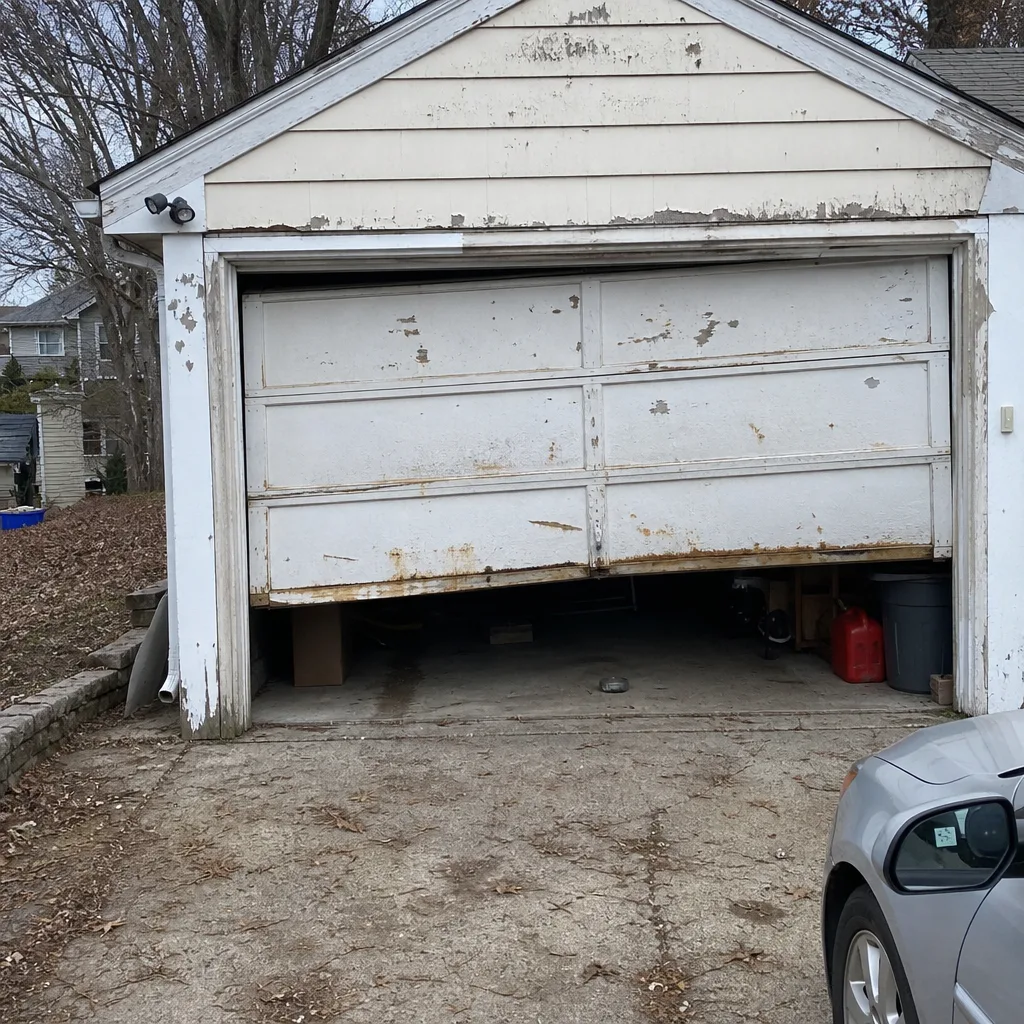 Before
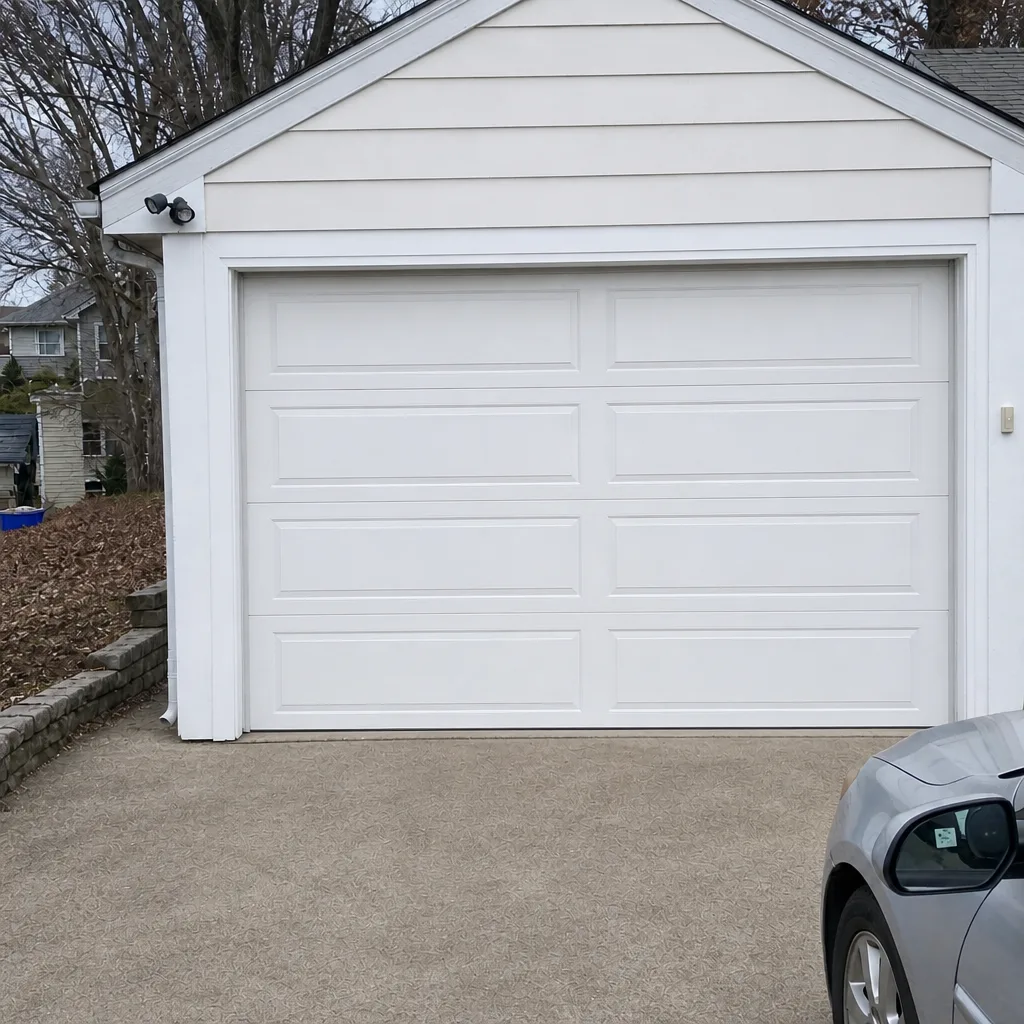 After
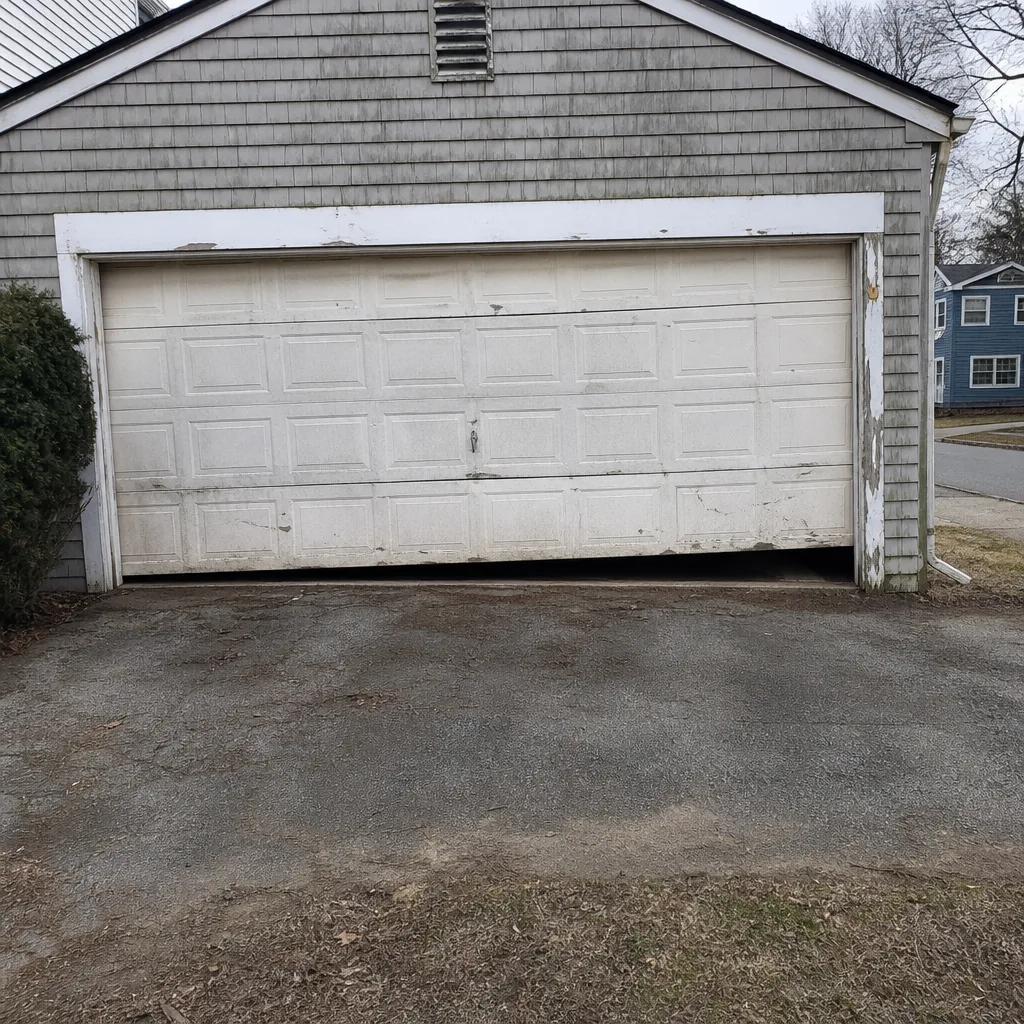 Before
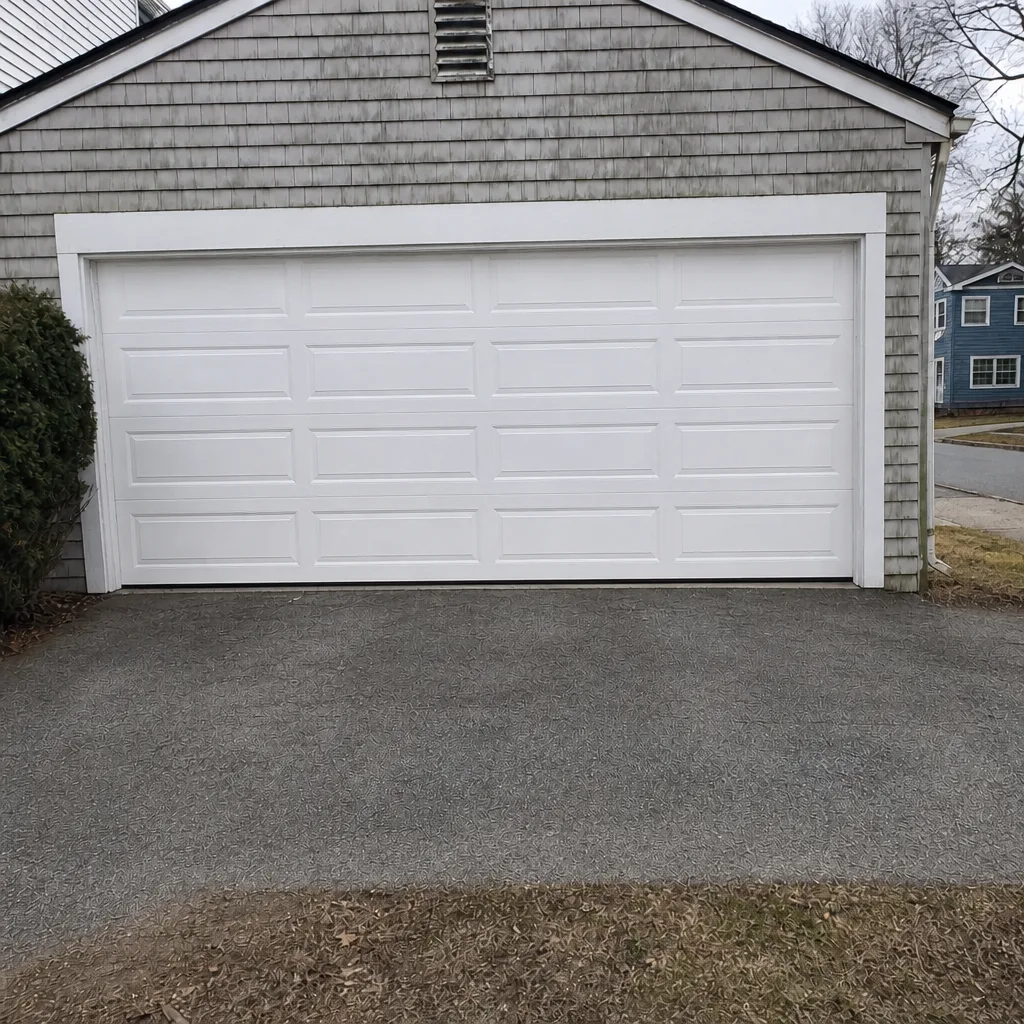 After
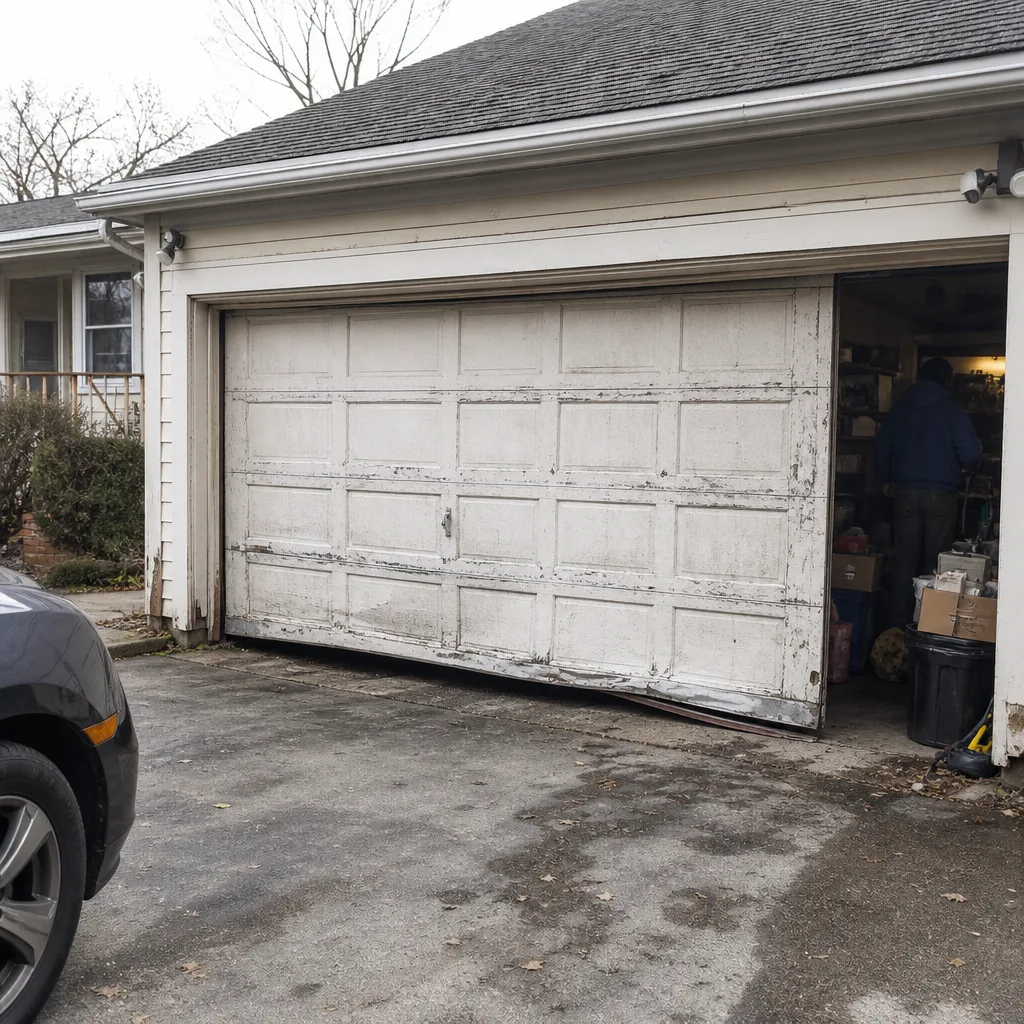 Before
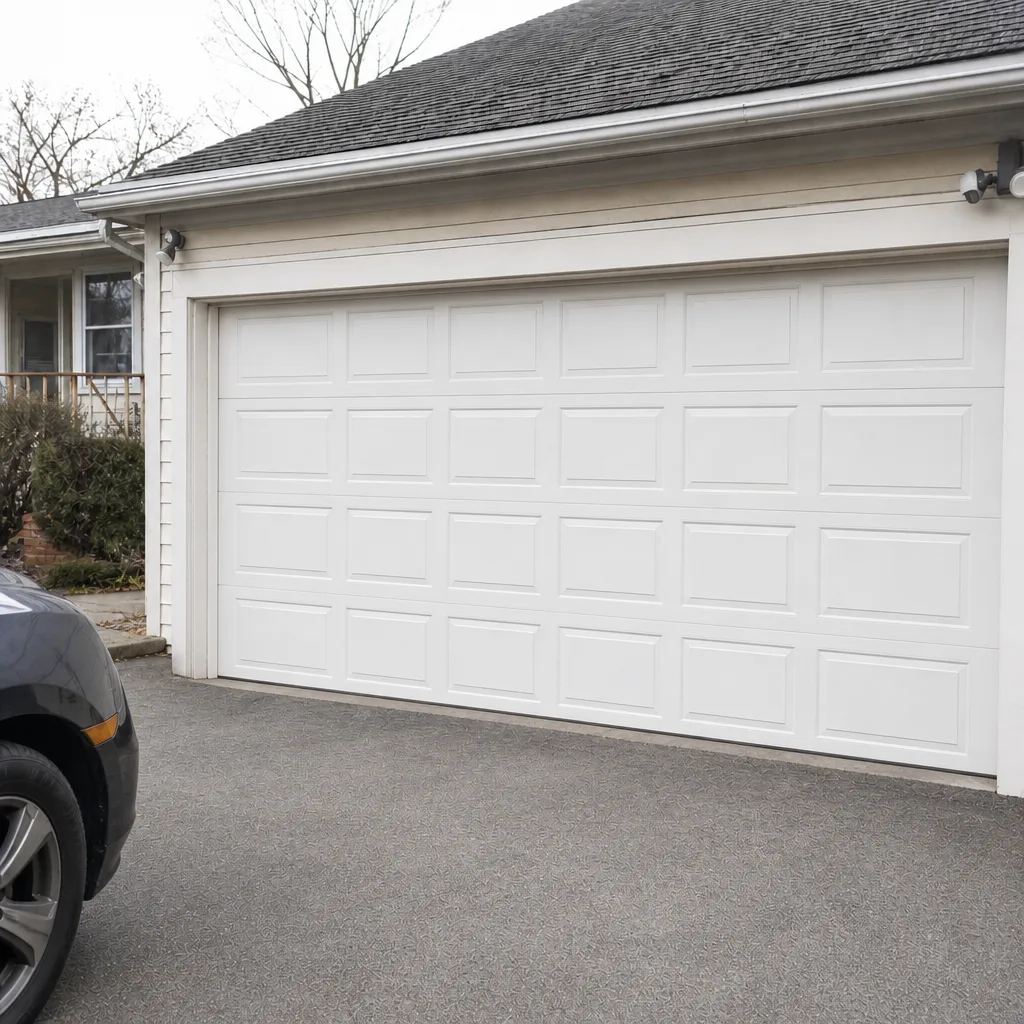 After
When to Call a Professional
Call a professional when the door fails the manual release test, when you hear popping or snapping, when a spring or cable is visibly damaged, or when you’ve traced the safety circuit and the door still reverses. Also call if the opener’s blink code points to a logic board fault or a force problem you can’t resolve with a clean, well-aligned door. These aren’t homeowner repairs. Springs and cables store enough energy to cause serious injury, and a misdiagnosed opener fault can turn a small repair into a larger one. Taunton Garage Door Repair Co offers free estimates in Taunton, and our technicians have up to 14 years of experience across every major brand. Call (844) 491-7235 to get your door back in service.
Frequently Asked Questions
You can safely fix photo-eye misalignment, track obstructions, and opener settings like travel limits and force sensitivity. You should never attempt spring, cable, or drum work yourself, because those components are under high tension and can cause serious injury. If the door fails a manual balance test or makes a popping sound, call a professional.
A bottom seal that’s frozen to the concrete floor is the most common cause. The opener senses resistance and reverses for safety, thinking it hit an obstruction. Check whether the seal is stuck to the floor before assuming an opener fault. If the seal is cracked or stiff, replacing it usually solves the problem.
The LED on your opener’s motor housing flashes a repeating pattern that corresponds to a specific fault. Count the flashes in each group, then check your opener’s manual or the label inside the motor cover. Most LiftMaster, Chamberlain, and Craftsman units use blink codes to indicate photo-eye faults, travel limit faults, or force faults.
The opener is receiving power but the safety circuit is interrupting the close cycle. Check the photo-eye sensors first: both should have a steady light. Then check for obstructions in the track and confirm the force setting isn’t too sensitive. If the sensors are aligned and the tracks are clear, the opener’s logic board may be failing.
Most repair calls land in a moderate range depending on the part and the labor involved, and a spring replacement costs more than a roller or seal service. We give a written estimate before any work starts, so you know the price before we begin. Call (844) 491-7235 for a free estimate.
We service eight major brands: LiftMaster, Chamberlain, Genie, Clopay, Amarr, Wayne Dalton, Craftsman, and Raynor. Our technicians have up to 14 years of experience diagnosing and sourcing parts for these systems, so you’re not waiting on a special order for a common failure. Whatever brand is on your door, we know it.
The Bottom Line
Most garage door problems fall into five mechanical categories, and the symptom tells you which one you’re dealing with. Noisy, slow, and stuck are door problems. Reversing and won’t-close are safety-circuit problems. Taunton’s freeze-thaw cycle makes bottom seals and track alignment fail in ways that mimic opener faults, so check the seal and the tracks before you blame the motor. You can safely check photo-eye alignment, track obstructions, and blink codes. Springs, cables, and drums belong to a trained technician. Read the code, test the balance, and if the door fails the manual release test, stop and call.
Whether you’re in Taunton and need a diagnostic or you’re ready to book a repair, call Taunton Garage Door Repair Co at (844) 491-7235 for a free estimate. We’ll tell you what’s wrong and what it takes to fix it.
Written by the team at Taunton Garage Door Repair Co.