Last updated November 22, 2026
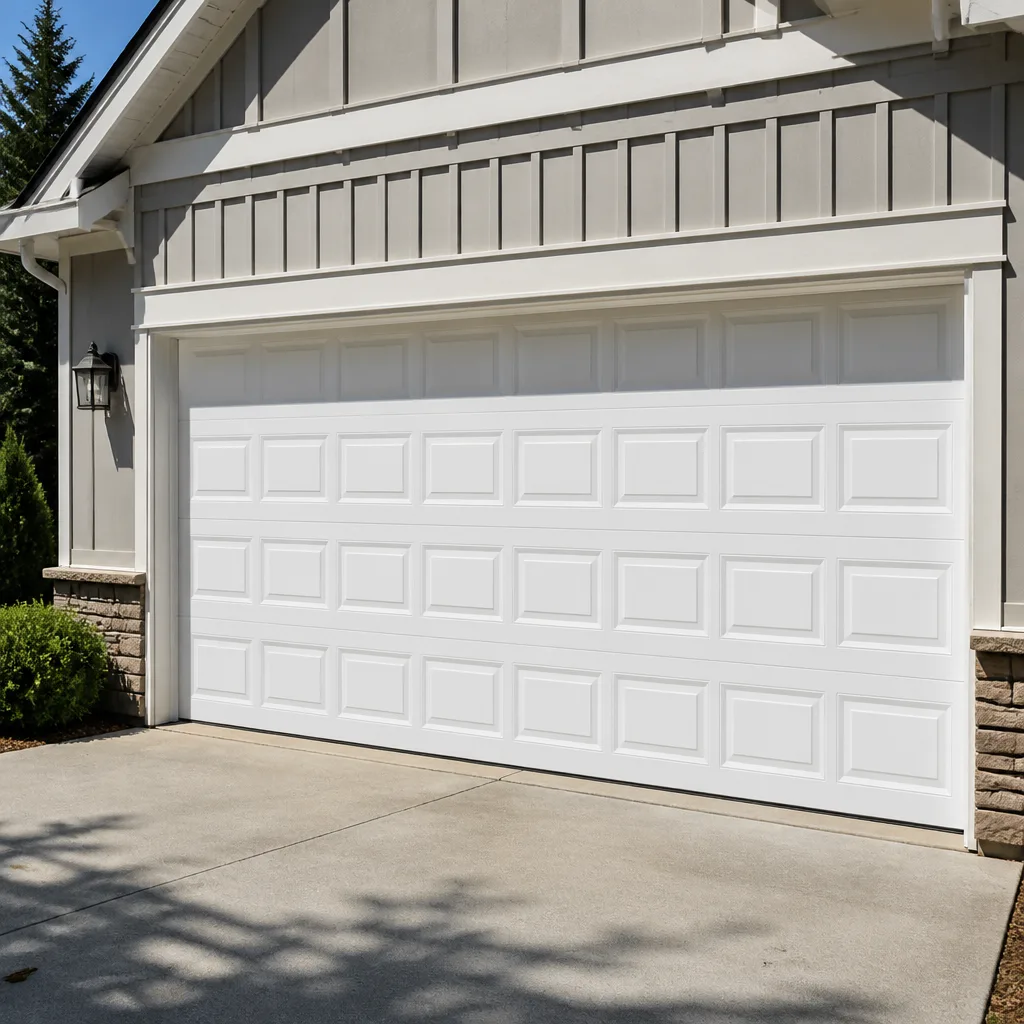 Raised-panel steel
 Carriage house
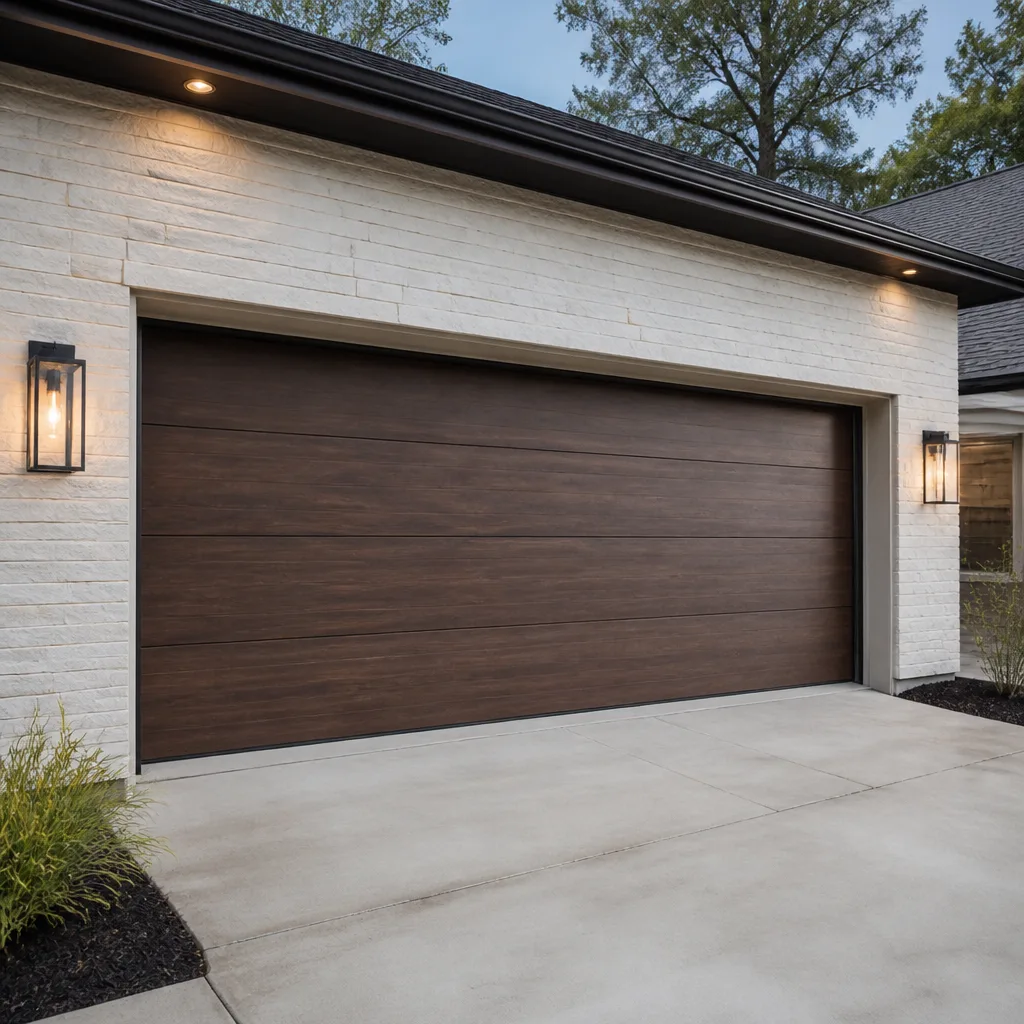 Modern flush
 Full-view glass
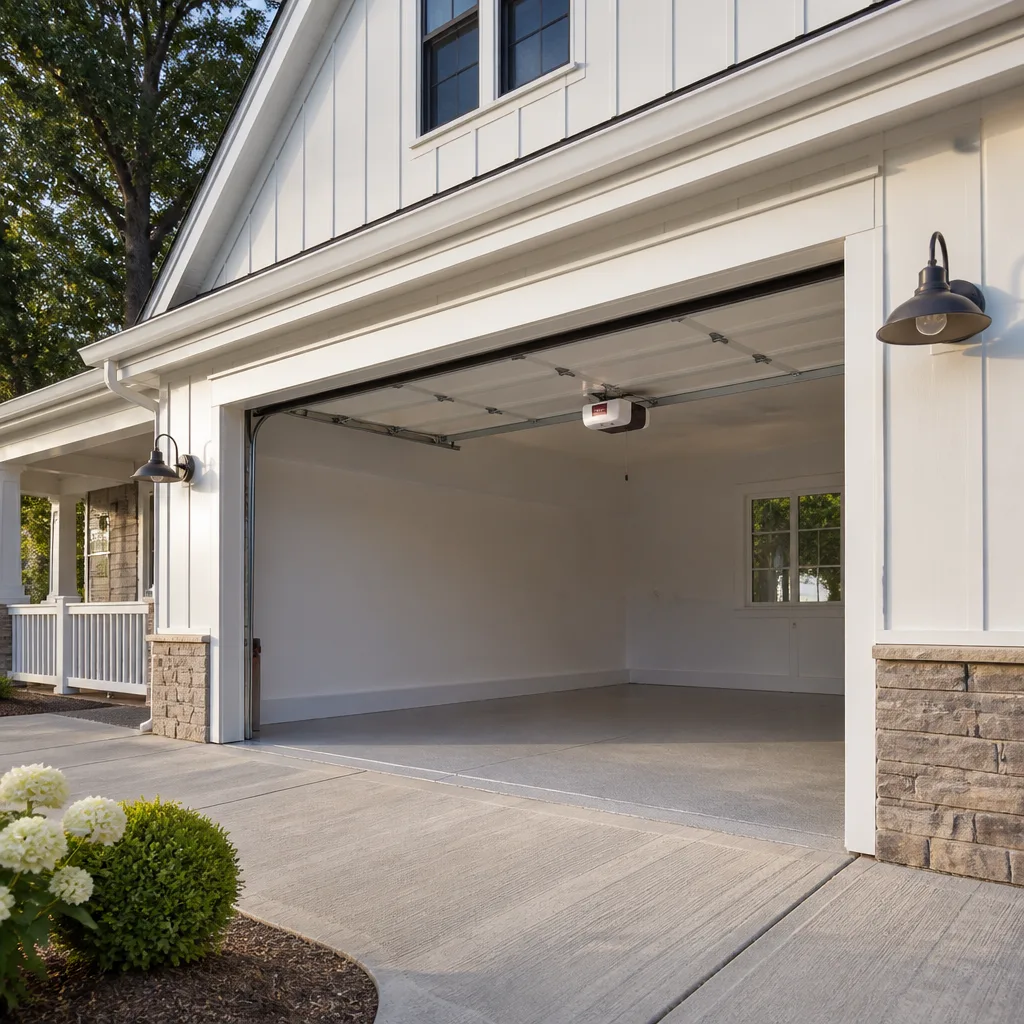 LiftMaster openers
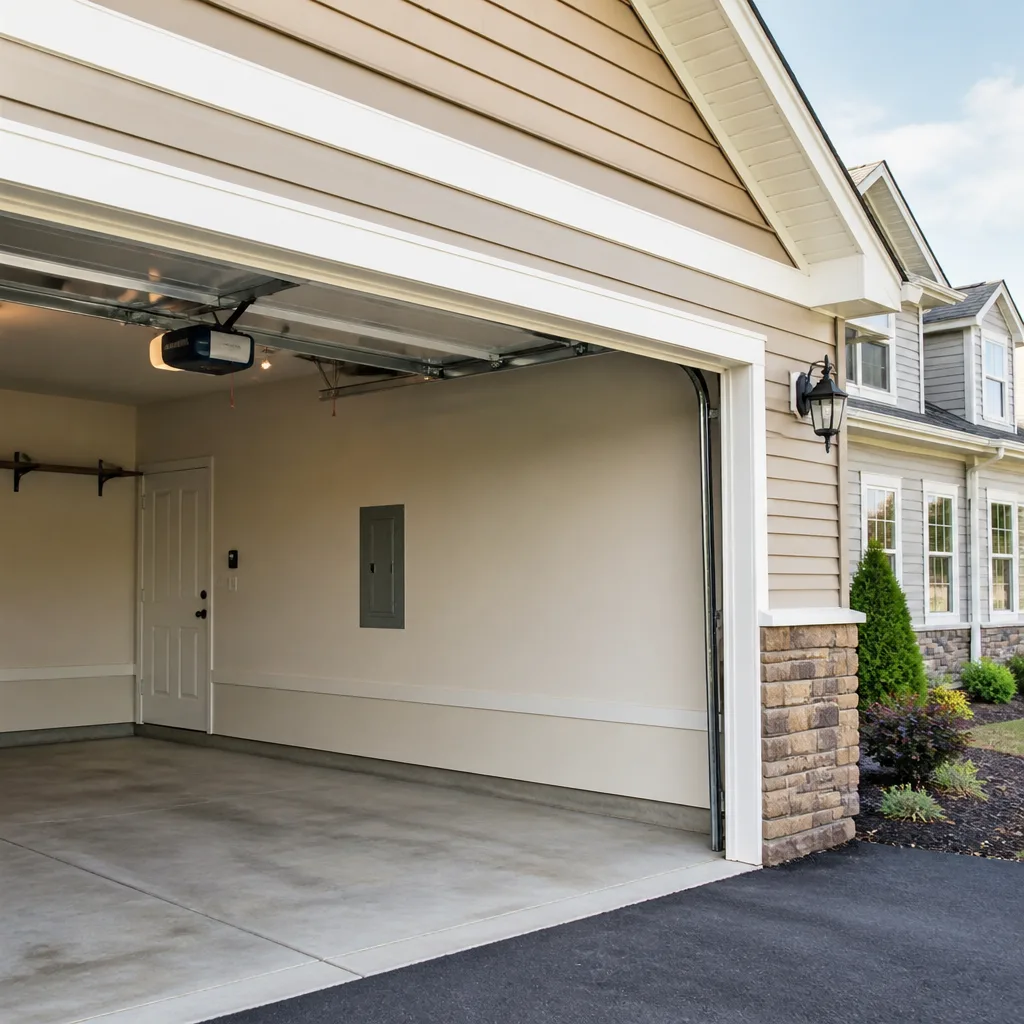 Chamberlain openers
Full 25-point door and opener safety check with every visit - springs, cables, rollers, tracks, and your LiftMaster or Chamberlain opener included
You get a price before we start. It does not change when the pro arrives.
Get your free estimateGarage Door Repair Maintenance Checklist for Taunton Homeowners
The number-one cause of emergency garage door calls in New England isn’t age. It’s one missed maintenance step that takes under two minutes to do right. Most homeowners in Taunton assume a grinding door means a worn-out opener or a door at the end of its life. Often it’s a dry hinge, a stiff roller, or a bottom seal that’s been quietly trapping water and road salt against the steel for a whole winter. A little attention at the right intervals prevents almost all of it, and it’s the difference between a quiet door and a Sunday morning call nobody wants to make. This guide breaks down exactly what to check, how often, which parts fail first in Taunton’s climate, and which checks you can safely do yourself versus which ones belong to a technician with the right tools.
Quick Answer
A garage door maintenance checklist for Taunton homeowners should include a monthly walk-around (visual inspection of springs, cables, tracks, and seals), a semi-annual lubrication and hardware check, and an annual professional tune-up that includes a spring tension check and balance test. The climate points that matter most in Taunton are road salt eating the bottom seal and hinges, and freeze-thaw cycles stiffening rollers and throwing the door out of balance. Everything above the spring line, and anything involving a torsion spring or a tensioned cable, is a trained-technician job.
Styles & brands we work with
- Raised-panel steel
- Carriage house
- Modern flush
- Full-view glass
- LiftMaster openers
- Chamberlain openers
Table of Contents
- The Monthly Walk-Around: Two Minutes That Save a Service Call
- The Semi-Annual Mechanical Check
- The Annual Professional Tune-Up
- Taunton’s Real Enemies: Road Salt and North-Facing Rust
- Reading Your Spring Before It Snaps
- The Right Lubricant for a New England Winter
- Keeping a Maintenance Log That Actually Helps
- The Safety Reverse Test and the Photo-Eye Check
The Monthly Walk-Around: Two Minutes That Save a Service Call
This is the check most people skip, and it’s the one that catches trouble earliest. You don’t need tools, a ladder, or any mechanical knowledge. You need to stand in front of the closed door and look at it the way a technician does.
Do this walk-around once a month, ideally on a dry day when the door is fully closed and the opener is unplugged so nothing moves while you’re looking.
- Look at the springs. On a torsion system (springs mounted horizontally on a bar above the door), look for gaps in the wound coils. On an extension system (springs running along the tracks at each side), look for a visible stretch or separation. You are looking, not touching. More on this below.
- Check the cables. Run your eyes along each side cable from the drum down to the bottom bracket. A frayed, kinked, or slack cable means stop using the door.
- Inspect the bottom seal. Squat down and look at the rubber flap. Cracked rubber, a visible gap under the door, or grit trapped in the seal is a Taunton signature problem discussed in its own section.
- Glance at the hinges. Look at the leaf hinges holding the panels together. Orange-brown streaks around the pin are rust starting, and rust is far easier to stop than to reverse.
- Check the tracks by feel and eye. The door should sit evenly in the tracks. Run a hand (carefully) along the inside face and look for dents, debris, or a track that has drifted out of plumb.
- Listen on the way up and down. Plug the opener back in and open and close the door once. A steady hum is fine. A grinding, squealing, or popping sound is a maintenance signal, not background noise.
That’s the whole monthly routine. It takes about two minutes and catches most of the failures that turn into a blocked driveway. If anything on this list looks wrong, that’s the moment to book an inspection rather than wait for the door to fail at the worst possible time.
The Semi-Annual Mechanical Check
Twice a year, add the parts of the system you can’t see from a standing position. The right time in Taunton is usually late fall before the first hard freeze and again in spring once the road salt has been washed off the streets.
- Balance test. With the door closed, disconnect the opener using the emergency release cord (the red handle). Lift the door halfway by hand and let go. A balanced door holds its position. A door that drops on its own or rises on its own is out of balance and needs a technician before the opener takes the strain.
- Lubricate the moving parts that don’t carry tension. Hinges, rollers (the shaft, not the tire surface), and the spring coil itself get a proper spray, not WD-40. Skip the tracks; they should be wiped clean, not greased.
- Wipe the tracks. Use a dry rag to remove grit and old dried grease. Grit is what grinds down rollers.
- Wash the door panels. A simple garden hose and mild soap removes road salt film from the bottom panels. Do this after the salt trucks have been busy.
- Check the hardware tightness. Give every visible bolt and bracket a firm hand-check or a quick turn with the correct wrench. Rusted loose brackets become rattles, and rattles become failures.
- Test the safety reverse. Close the door on the opener and wave an object under the moving door. It should reverse on contact. Details in the safety section.
- Check the photo-eye alignment. The small sensors at each side of the door opening should have a steady light, not a blinking one. A blinking light means the beam is misaligned or obstructed.
This semi-annual sweep is where a lot of homeowners make one predictable mistake: they spray WD-40 into every hinge, roller, and spring and think they’ve maintained the door. That’s the next major section, and it matters more than people realize, especially in sub-zero temperatures.
The Annual Professional Tune-Up
Once a year, a technician should put hands on the door. Not because there’s anything wrong, but because the annual tune-up is how you catch tension loss, cable wear, and opener strain before they become an emergency call in Taunton.
An annual tune-up includes the things you can’t safely or accurately do yourself:
- Spring tension measurement. A technician uses a gauge to check whether the springs are holding their rated tension or have relaxed. This is the check that predicts a failure before it happens.
- Cable and drum inspection. Cables are under severe tension and wear from the inside out. A trained eye catches fraying long before you would.
- Track alignment and leveling. A track that has drifted a fraction of an inch throws the whole door out of balance and strains the opener. Realigning it is a precision job.
- Roller bearing inspection. Sealed bearings either spin freely or they don’t. A technician can feel the difference.
- Opener force and limit adjustment. The opener’s force setting has to match the door. Too tight and it’s a strain; too loose and the safety reverse won’t work reliably.
- Bracket and anchor check. The brackets that hold the springs to the wall and the door carry enormous load. Rusted or loose anchors are a serious safety concern.
If your door is a Craftsman or LiftMaster setup, or a Raynor or Chamberlain opener, a tune-up also means the technician recognizes the specific wear patterns of that brand and knows what parts to bring. That’s how our Taunton Garage Door Repair Co team works every day, and it’s why a proper tune-up isn’t a vague checklist but a real inspection of the machine on your wall.
Taunton’s Real Enemies: Road Salt and North-Facing Rust
Taunton’s winter climate is hard on metal for a reason that has nothing to do with the garage itself. The town’s roads get treated with road salt through the cold months, and that salt doesn’t stay on the road. It kicks up onto the driveway, splashes onto the bottom of the door, and settles into the gaps between the panels and across the hinge pins. Over one winter, it starts corrosion that ages a door years.
The two failure points that matter most:
- The bottom seal. The rubber flap at the base of the door is the first place salt and grit collect. The rubber dries out in the sun, cracks from the freeze-thaw cycles, and starts trapping water against the steel bottom panel. When that steel starts to rust, the door doesn’t just look bad, it stops sealing.
- The hinge lines and bottom panel steel on a north-facing door. A door facing north or under heavy shade stays wet and cold longer. Salt that lands there doesn’t dry out as fast, so the rust starts earlier and works deeper. Hinges on that side are usually the first to show orange staining.
The inspection method that actually catches this:
- Run a hand along the very bottom edge of the door, under the seal. If it feels rough, gritty, or flaky, you’re feeling rust.
- Peel back the seal at one corner and look at the steel underneath. Bright metal is fine. Orange is rust.
- Look at the hinges on the shaded side with a flashlight. Streaking around the pin means the pin is starting to seize.
- Wash the bottom two panels after the salt season ends and again midsummer to remove the film before it can sit.
The fix for a damaged seal is simple and inexpensive, and a fresh seal keeps water and salt out of the door panel. If you catch the rust at the hinge stage, a clean and a proper lubricant stops it. If you catch it at the panel stage, you’re looking at either a panel repair or, on a badly degraded door, a garage door repair visit that’s far cheaper than replacement.
Reading Your Spring Before It Snaps
A torsion spring on a residential garage door holds enough energy to launch the door through the ceiling if it lets go with the door in the wrong position. This is not a component anyone should be adjusting, winding, or testing by hand. But you can and should learn to read it from a safe distance.
Here’s what a spring losing tension looks like from where you stand:
- Visible gaps in the wound coils. A healthy torsion spring is wound tight, with no daylight between the coils. A spring with a gap has already relaxed and is a candidate for failure.
- The door feels heavier than it used to. If lifting the door by hand (opener disconnected) is noticeably harder than last year, the springs are working less.
- Uneven travel. The door rises or falls at an angle, or hangs up on one side, which is a balance and tension symptom.
- Two loud bangs. A snap-bang-bang is the classic sound of a torsion spring breaking. If that happens, stop using the door entirely.
- A visible stretch on an extension spring. Extension springs lengthen before they snap. A spring that has visibly lengthened is near the end.
When any of those show up, that’s the time for a trained technician with a gauge, not the time for a trip to the hardware store. Springs are dangerous, plain and simple. Leave them to a trained technician. Our own garage door spring repair service exists because so many people get this wrong on their own, and the safer path is to have it measured, matched, and replaced properly. If you want to know whether your spring needs replacing, or whether the whole door is due for a proper tune-up, the worst-case scenario is a call you can easily make today.
One thing most homeowners get wrong on the money side: spring pricing is almost always quoted per spring. Most doors use a matched pair, and a pair is replaced together, so a pair costs roughly twice the per-spring figure. If a quote sounds too low to be possible, ask whether it covers one spring or both.
The Right Lubricant for a New England Winter
WD-40 is the wrong choice for a garage door, and it’s the most common mistake we see on doors in Taunton. It’s a light solvent, not a long-lasting lubricant. It thins and evaporates, leaves the hinge drier than before, and it can attract grit. Do it once and the door sounds better for a week, then worse.
What actually works in a New England winter is a spray lithium grease or a white lithium spray on hinges, roller shafts, and the spring coil. Lithium grease is designed for the temperature swings we get here, from a mild autumn afternoon to the kind of single-digit cold that stiffens every sealed bearing and makes a dry hinge scream. It stays put, coats the metal, and doesn’t wash off with the first rain.
The apply-it-right list:
- Clean first. Wipe the hinge line and spring coil with a dry rag before spraying. You’re lubricating metal, not grit.
- Spray the spring coil on a torsion system (a rag under it to catch drips), the hinge pins, and the roller shafts. Light coat, not a flood.
- Wipe the tracks clean with a dry rag. Don’t spray them.
- Do the whole thing after the fall clean-up and again in spring, and a touch-up on the hinges once midsummer.
If your door still grinds after a proper lubricant, the problem isn’t lubrication. That’s when a technician should look at the rollers, bearings, and balance. That’s also when a call to our garage door opener repair team makes sense, because a strained, grinding opener can sound exactly like a door problem and turn out to be an operator problem.
Keeping a Maintenance Log That Actually Helps
A maintenance log is one of the most useful but most neglected tools a homeowner has. It sounds minor until your door starts making a new noise, and a line on the log tells the technician exactly when it started, what was done before, and which brand of spring or opener is installed.
Log these things every time:
- Date and what was done. A short line for lubrication, a call, a repair, an opener adjustment, or a full tune-up.
- Brand and model. If the door or opener is a LiftMaster, Chamberlain, Craftsman, or Raynor, write it down. When a technician knows the brand, parts and diagnosis get faster on the next visit.
- Who did the work. Note whether it was you or a technician, and keep the receipt or invoice with the log.
- Any noise or symptom. “Grinding on the way up, started in October” is exactly the note a technician wants to see.
- Any replacement parts. Which spring, which hinge, which roller got replaced and when.
That last point matters for more than convenience. A dated maintenance log is documentation. If you ever have a claim to make with your homeowner’s insurance related to the door, or if you’re selling the home, a record showing regular servicing and known part replacements is far stronger than a memory. Keep the log where the door is, either taped inside the garage wall or in a small notebook on a shelf. It costs almost nothing and it pays back every time the door acts up.
The Safety Reverse Test and the Photo-Eye Check
Every automated door sold today has a safety reverse feature that reverses the door if it meets resistance. The failure of that feature is one of the most serious things a homeowner can overlook, because a malfunctioning reverse turns an ordinary door into a hazard for anyone walking underneath.
Do this check every month, and definitely after any adjustment to the opener:
- With the door open, place a rigid object (a brick, a piece of 2×4, a box) flat under the closed position of the door.
- Close the door with the opener.
- When the door meets the object, it should reverse and travel back up. If it doesn’t, the force setting is too high and needs adjustment.
- Test the photo-eyes separately by waving an arm through the beam while the door is closing. The door should reverse. If the sensors on either side have a blinking light, they’ve lost alignment or the beam is blocked.
The reverse test is the one safety check you should never skip. If it fails, stop using the opener and have it serviced. Adjusting the force setting on a modern LiftMaster or Chamberlain operator is a small job for a trained technician and a serious risk to leave alone. If your opener is old enough that it doesn’t have a working reverse or photo-eye, that’s a strong sign it’s time for a replacement conversation rather than another patch.
Common Mistakes to Avoid
- Spraying WD-40 on everything. It’s a solvent, not a lubricant. It thins out, attracts grit, and leaves the door worse off within a week. Use a lithium grease instead, especially before a Taunton winter.
- Touching a torsion spring or a tensioned cable. These hold stored energy that can cause a serious injury in a fraction of a second. Reading the spring from a distance is safe; adjusting it is not.
- Greasing the tracks. Grease on a track attracts grit and gum. The tracks should be wiped clean, not lubricated.
- Ignoring a bottom seal that’s cracked or grit-filled. That seal is the entry point for road salt and water, and the steel behind it is the first place to rust in a Taunton garage.
- Letting the door ride out of balance on the opener. An opener is designed to lift a balanced door, not to fight a door whose springs have relaxed. Every month of strain shortens the opener’s life.
- Skipping the safety reverse test. A door that won’t reverse on contact is a hazard. Test it monthly and fix it before someone gets hurt.
- Skipping the annual tune-up entirely. Small tension and alignment issues are invisible until they become a snapped spring or a failing opener, and the tune-up is what catches them in time.
See the difference
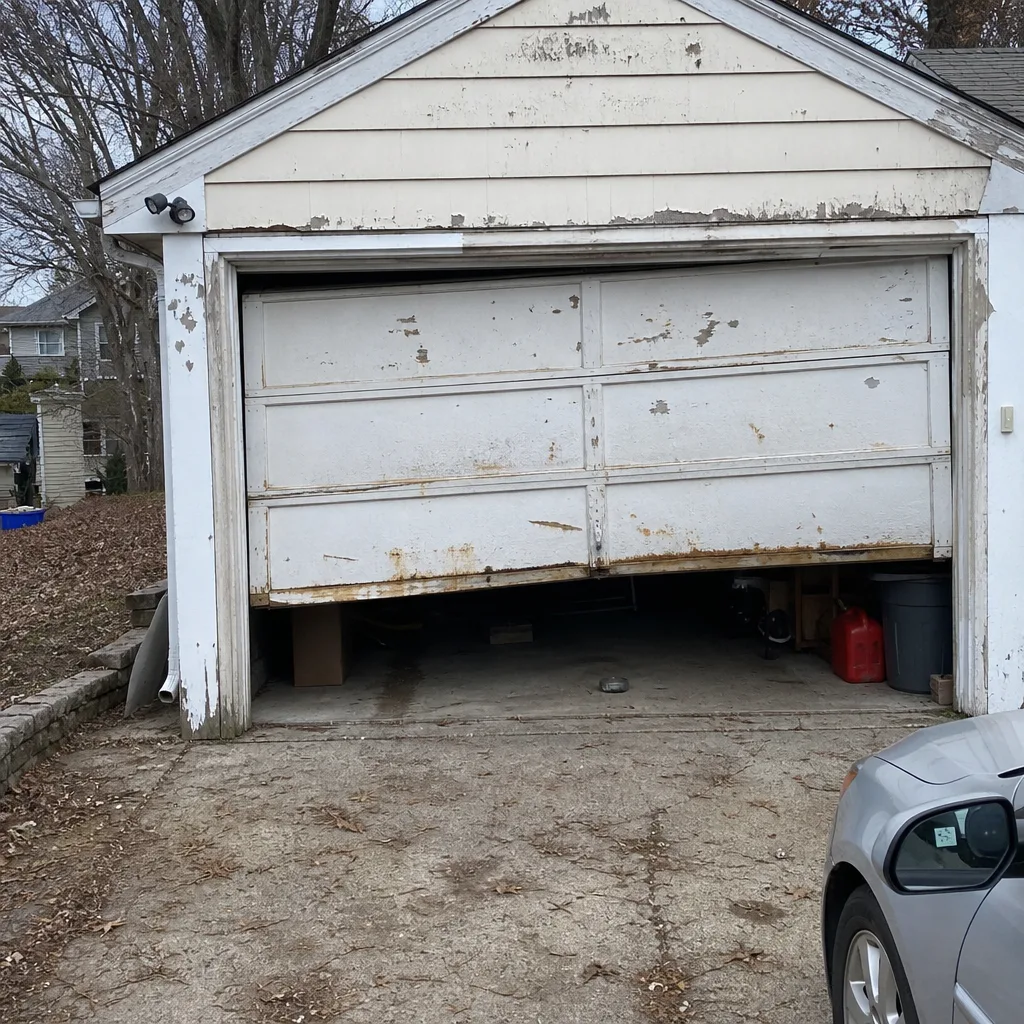 Before
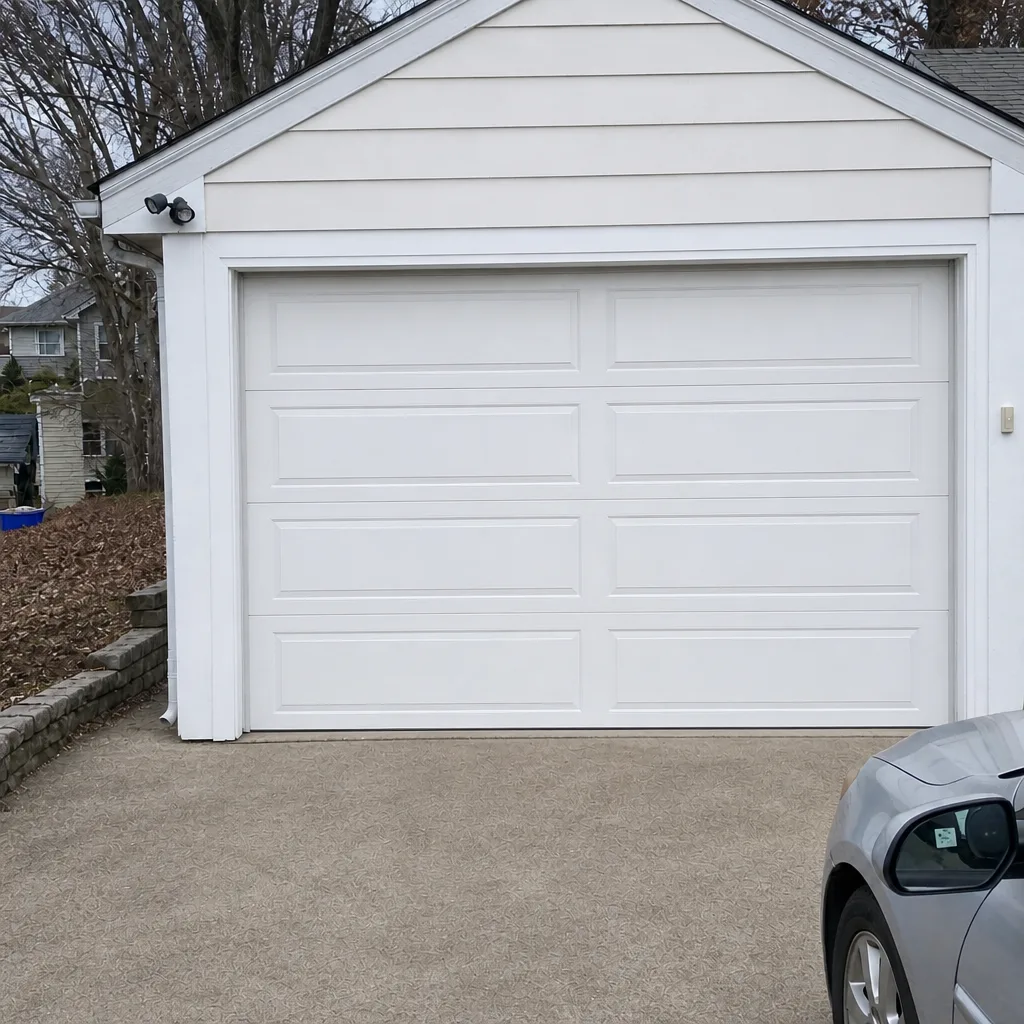 After
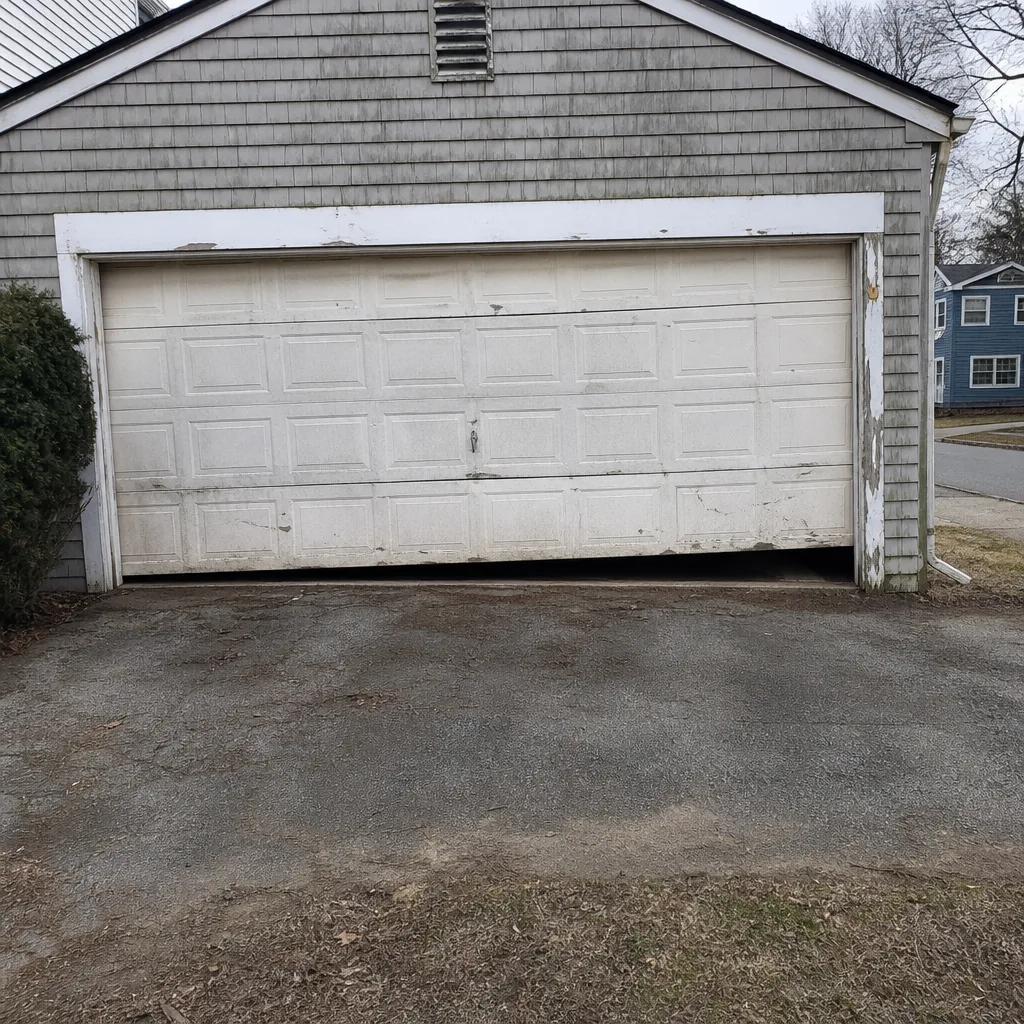 Before
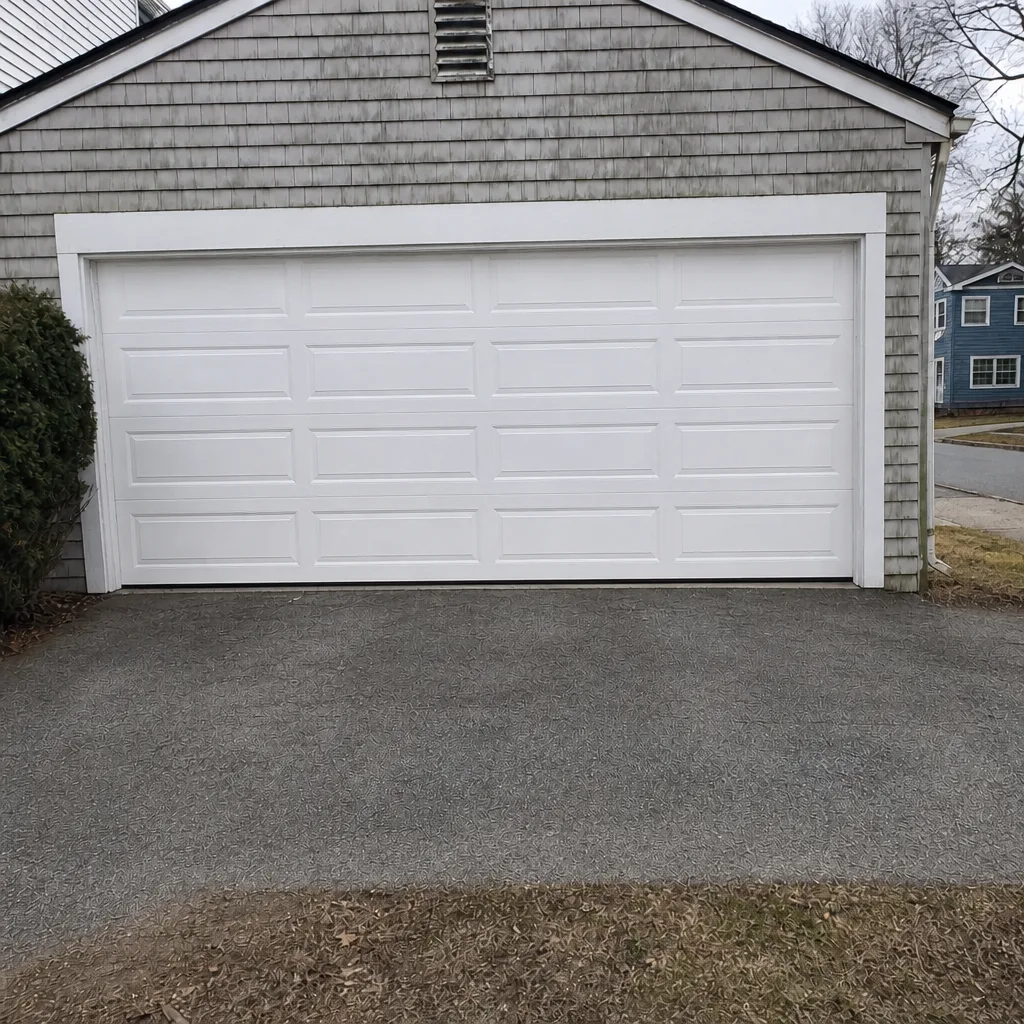 After
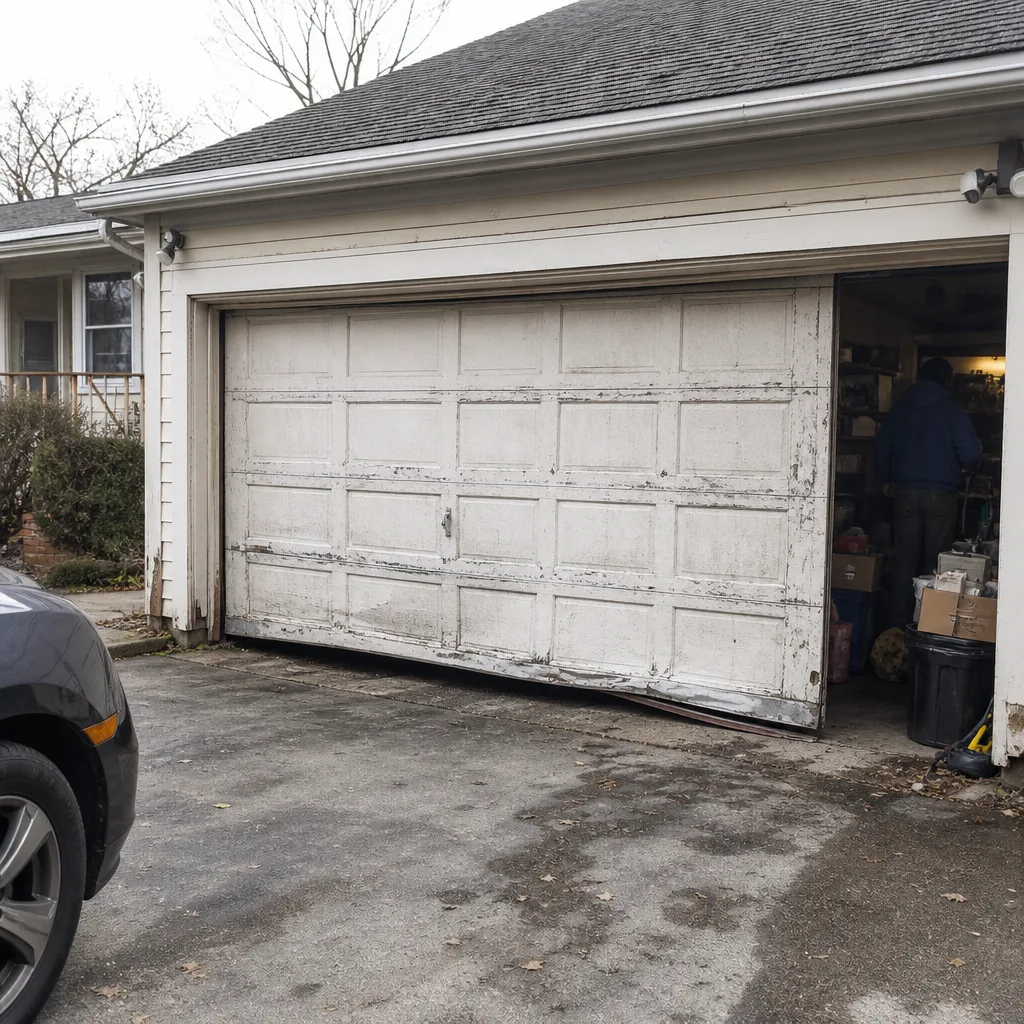 Before
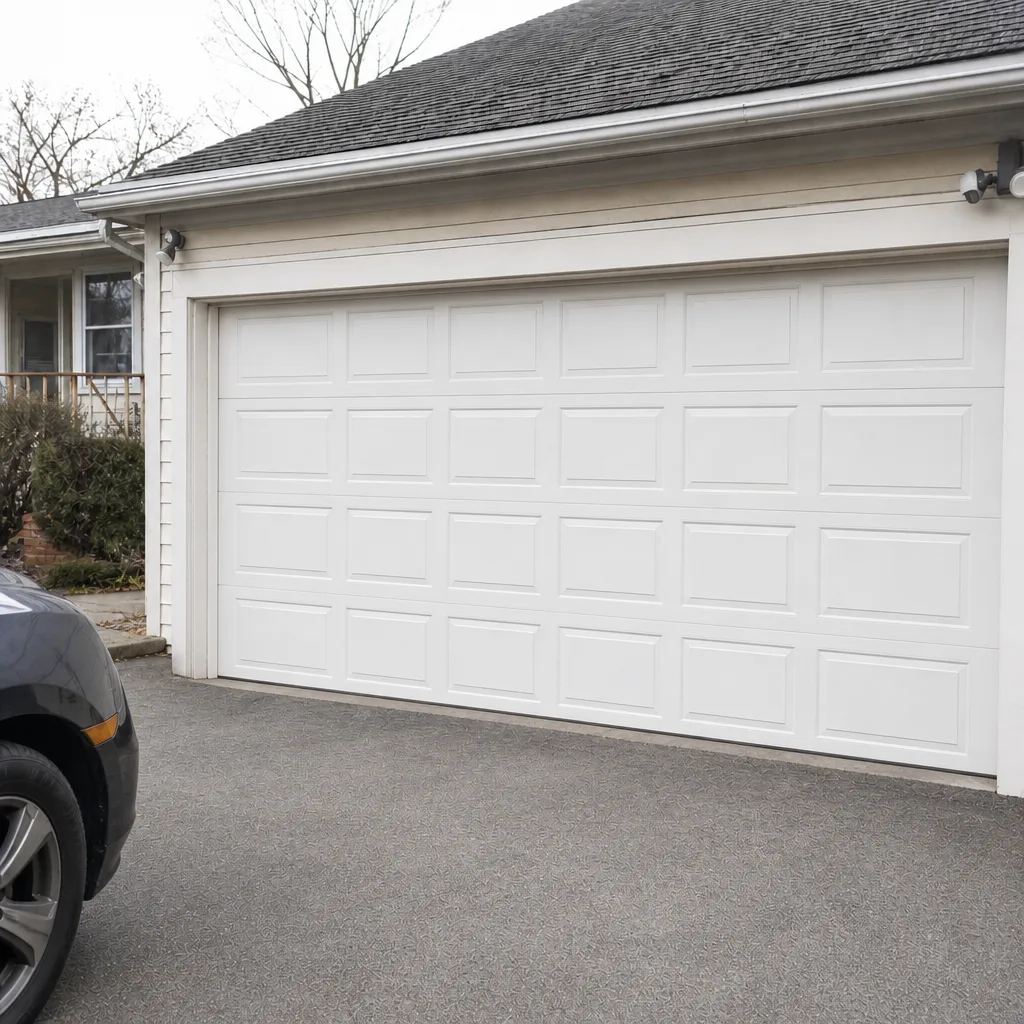 After
When to Call a Professional
Some garage door checks are homeowner jobs. Others are strictly technician work. Call a professional when any of these are true:
There’s a visible gap in a torsion spring coil, a snapped spring, or a door that feels much heavier than before. A cable is frayed, kinked, or slack on its side. The door is out of balance and won’t hold a halfway position with the opener disconnected. The safety reverse test fails and a simple force setting doesn’t fix it. The opener grinds, hums without moving the door, or responds only part way. A track is bent or a panel has been struck and no longer aligns. The photo-eyes won’t stop blinking after a wipe and a realignment attempt. Rust on the bottom panel has spread under the seal. In any of these cases, a trained set of hands will save the risk and usually the money. Our team at Taunton Garage Door Repair Co offers free estimates in Taunton, and technicians who have up to 14 years of experience on LiftMaster, Chamberlain, Genie, Clopay, Amarr, Wayne Dalton, Craftsman, and Raynor systems. Call us at (844) 491-7235 to book an inspection or a same-day service call.
Frequently Asked Questions
Once a year is the general standard, plus a semi-annual lubrication and hardware check and a monthly visual walk-around. In Taunton’s climate, the fall lubrication before the first freeze and the spring clean-up after the salt season are the two most important touch points. A door used heavily, or one that faces north and stays damp, benefits from an extra check on the hinges and seal.
Lubricate the spring coil, hinge pins, and roller shafts with a lithium grease spray. Never lubricate the tracks; wipe them clean instead. Never use WD-40 as a long-term garage door lubricant, because it’s a light solvent that won’t handle a New England winter. The safest rule is grease the metal that pivots, keep the tracks clean and dry.
Look for visible gaps in the wound coils, a door that suddenly feels much heavier, uneven travel, or a stretched extension spring. You can’t see a torsion spring’s internal stress, which is why a technician uses a tension gauge during an annual tune-up. If you hear a bang followed by a bang, stop using the door and call for spring repair.
No. Torsion springs and the cables that run with them are under extreme tension and can cause serious injury to someone without the right tools and training. Spring repair is a technician job. Our team handles it as a standalone service and matches the correct spring for the door, which matters because a mis-matched spring wears out fast and strains the opener.
It gives a future technician the fastest possible diagnosis and gives you documentation if you ever need it for a homeowner’s insurance claim or a home sale. Note the date, brand, work done, and any symptom. A few lines on a card taped inside the garage is all it takes, and it can save hours and dollars down the road.
You can run both tests yourself monthly: close the door on an object and it should reverse, wave through the photo-eye beam and it should reverse. If either test fails, a technician should adjust the force setting or replace the sensor. That’s not a DIY job for most homeowners because a miscalibrated reverse is a real safety hazard.
The Bottom Line
Garage door maintenance in Taunton comes down to three rhythms and one location fact. Monthly, look at the springs, cables, seals, hinges, and tracks with the opener unplugged. Semi-annually, lubricate with the right product, balance test the door, and wash off the road salt. Annually, have a technician measure spring tension, inspect the cables, and adjust the opener. The location fact is that salt and freeze-thaw do the damage, which puts the bottom seal and the north-facing hinges at the front of the line. Log everything you do. When anything on the list worries you, call (844) 491-7235 for a free estimate.
Written by the team at Taunton Garage Door Repair Co.