Last updated November 22, 2026
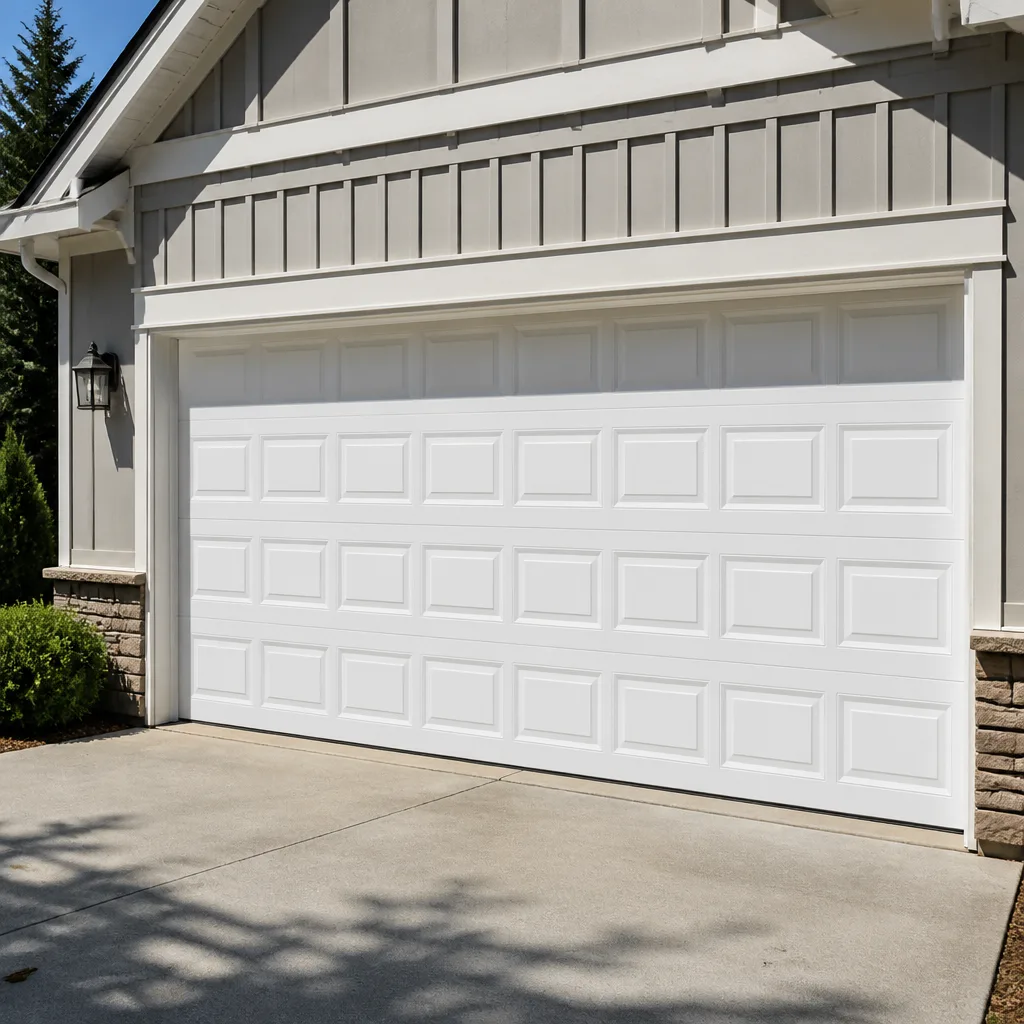 Raised-panel steel
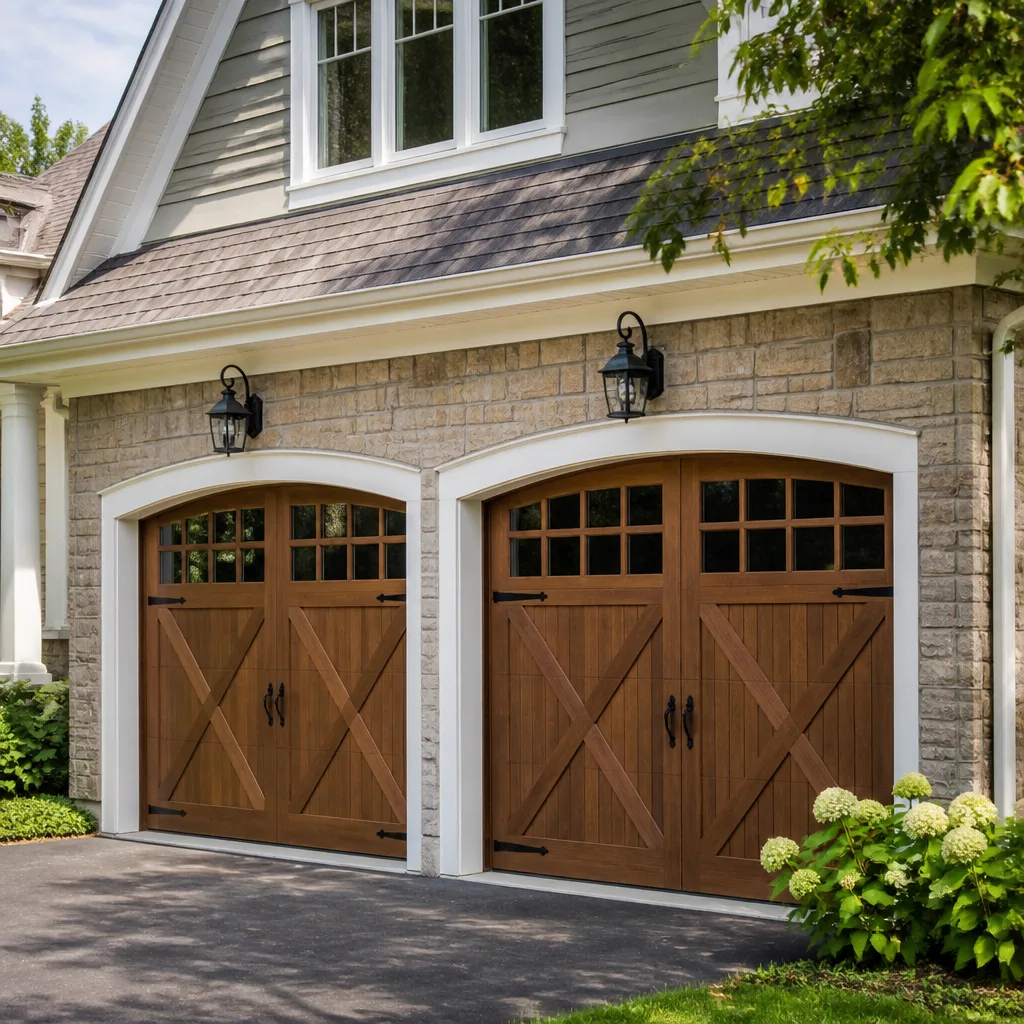 Carriage house
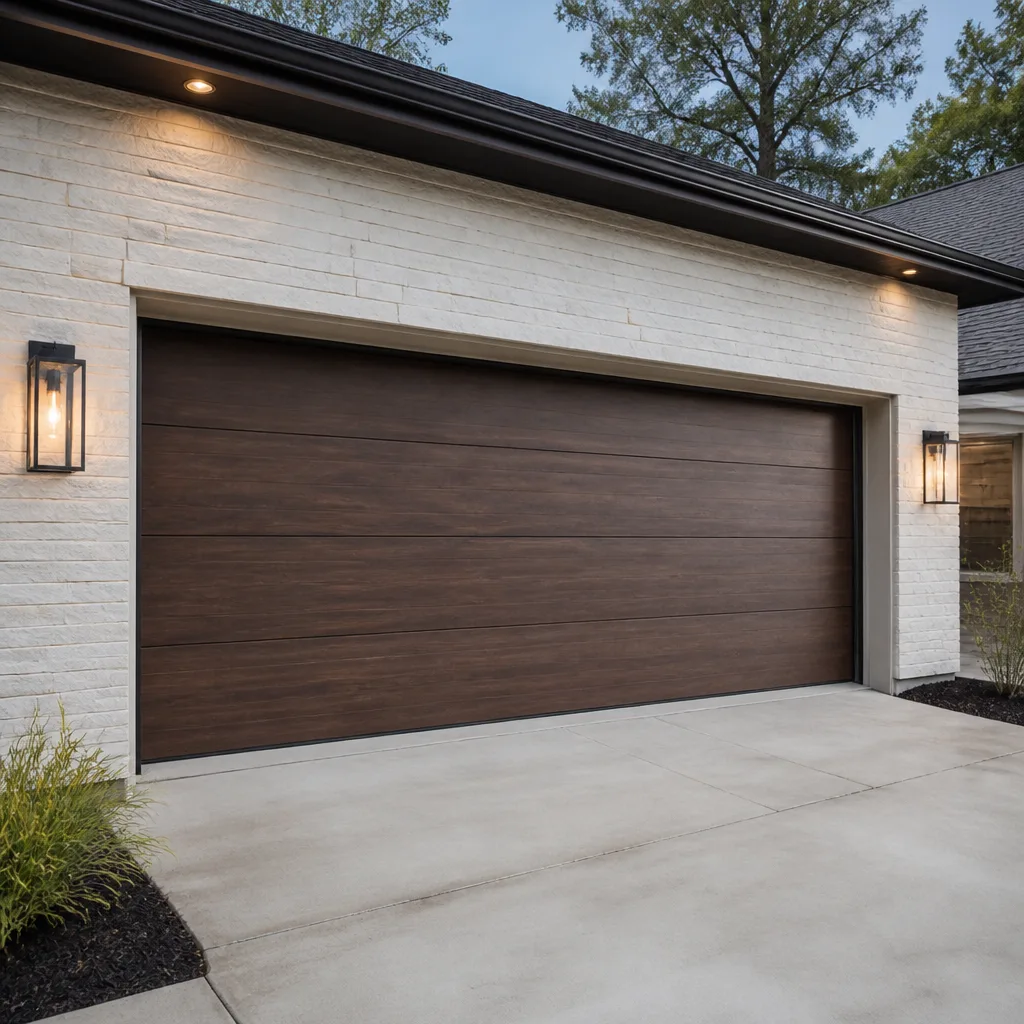 Modern flush
 Full-view glass
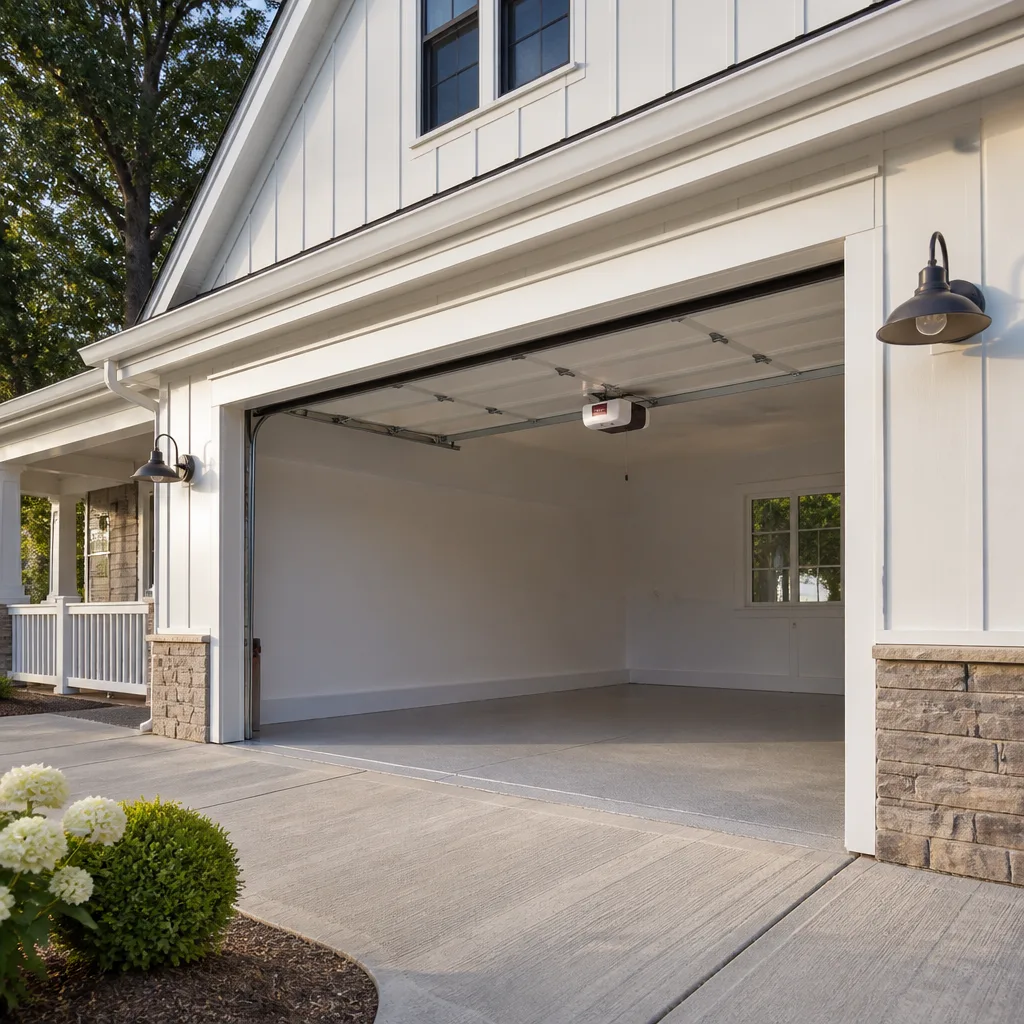 LiftMaster openers
 Chamberlain openers
Full 25-point door and opener safety check with every visit - springs, cables, rollers, tracks, and your LiftMaster or Chamberlain opener included
You get a price before we start. It does not change when the pro arrives.
Get your free estimateGarage Door Repair Maintenance Schedule: What to Do and When
Garage door springs are rated for about 10,000 cycles. If you open and close your door four times a day, you’ll hit that number in under seven years – but most homeowners have no idea how many cycles their springs have logged. That’s the problem with the usual advice to “get an annual tune-up”: one yearly visit treats every part as if it wears at the same rate, and it doesn’t. A door has 12 to 15 moving parts, and each one ages on its own clock. Rollers, springs, cables, hinges, and the opener gear all reach their limits at different times. This guide replaces vague advice with a part-specific schedule a Taunton homeowner can actually follow: what to check monthly, quarterly, and seasonally, which lubricant goes where, and when a job belongs to a trained technician. By the end you’ll know exactly where your door sits in its lifespan and what to do about it.
Quick Answer
Check your garage door once a month with a visual inspection and a listen for new noises, test the safety reverse and balance every three months, and lubricate moving parts twice a year – in late fall before the cold and again in spring. Springs, cables, and the opener’s internal gears are on their own cycle-based schedules and should be inspected by a technician rather than serviced on a calendar alone. If your door is over seven years old or opens more than four times a day, it’s worth having a professional measure remaining spring life before something fails.
Styles & brands we work with
- Raised-panel steel
- Carriage house
- Modern flush
- Full-view glass
- LiftMaster openers
- Chamberlain openers
Table of Contents
- Why a Cycle Count Matters More Than a Calendar
- The Monthly Five-Minute Walk-Around
- Quarterly Tests Every Homeowner Should Run
- A Month-by-Month Taunton Schedule
- Which Lubricant Goes Where (and What Never to Use)
- How Long Each Part Actually Lasts
- Maintenance That Can Void a Manufacturer Warranty
- When to Stop and Call a Professional
Why a Cycle Count Matters More Than a Calendar
A garage door cycle is one full open and one full close. That’s the unit of wear every major component is rated in, and it’s the number you should care about far more than the date of your last tune-up. Springs, hinges, rollers, and opener gears all have cycle ratings stamped into their engineering, and a family that drives two cars in and out six times a day will burn through those cycles years before a quiet household does. Two identical doors on the same Taunton street can be at completely different points in their lifespan.
Here’s how to estimate where your door sits right now:
- Count daily cycles. Watch the door for one normal day and tally every open and close. Most households land between four and eight. Round up.
- Multiply by 365. That gives your annual cycle count. Six cycles a day is about 2,190 per year.
- Estimate the door’s age in cycles. Multiply that annual figure by the number of years the door has been in service. If you don’t know the age, the year stamped on the opener’s label or the door’s manufacturer sticker usually tells you.
- Compare to the ratings. Standard torsion springs are commonly rated around 10,000 cycles. Higher-cycle springs last longer, and cheap builder-grade ones fall short. Cables and rollers have their own ratings.
If your math says you’re past 7,000 cycles on the original springs, you’re in the window where a trained technician should look at them. You don’t have to wait for a bang in the middle of a winter morning. We’ve seen plenty of Taunton doors where the spring snapped with no warning at all – the metal had simply reached its rated life. Knowing your number lets you replace a spring on your schedule instead of the door’s.
The Monthly Five-Minute Walk-Around
Once a month, with the door closed, walk around it and look. This isn’t a repair visit – it’s a fast habit that catches small problems while they’re still cheap. Five minutes on the first of the month is all it takes. Much of what you’ll spot is cosmetic or minor, but the exceptions matter.
- Listen. Open and close the door once. Grinding, squealing, or a rhythmic thump signals worn rollers or dry hinges. A single loud pop is different – stop and read the safety section below.
- Look at the springs. With the door closed, the torsion spring sits above the door on the header, coiled tight. Look for a visible gap in the coil. A broken spring usually shows a clear separation.
- Check the cables. The two cables run along each side. They should be taut and neatly wound on their drums. Frayed strands or slack cable mean stop using the door.
- Scan the panels. Look for dents, cracks, or separating seams, especially along the bottom section where it meets the ground.
- Check the weatherstripping. The rubber seal along the bottom and the trim around the sides should sit flush. Gaps let in drafts, water, and the occasional mouse.
- Grab the manual release. Pull it once to make sure it operates smoothly, then re-engage it. It should move freely.
- Look at the opener. Check the light, listen for unusual motor noise, and make sure the wall button responds immediately.
If any of these turn up a problem you’re not sure about, a quick call is cheaper than guessing. Our garage door repair team handles everything from a single noisy roller to a full track realignment, and the written estimate you get before work starts is the price you pay.
Quarterly Tests Every Homeowner Should Run
Every three months, run two tests that take under a minute each but tell you a lot about your door’s health. Both are pass-fail, and both catch problems early.
The 30-Second Balance Test
- Close the door fully, then pull the manual release cord to disconnect the opener.
- Lift the door by hand to about waist height and let go.
- Pass: the door stays roughly where you left it, maybe drifting an inch or so.
- Fail: it drops fast or rises on its own. That means the springs are out of balance with the door’s weight, and the opener is working harder than it should every single cycle.
Reconnect the opener before you use the door again. A door that fails the balance test isn’t necessarily unsafe yet, but it’s putting strain on the opener and the springs, and that shortens both. In our experience, a door that fails this test usually needs a spring tension adjustment, which is a technician job.
The Force-Resistance Test
This one checks whether the door’s safety reverse is still doing its job.
- With the door connected to the opener, place a roll of paper towels or a piece of scrap wood flat on the floor in the door’s path.
- Close the door using the wall button.
- Pass: the door reverses immediately on contact with the object and returns to open.
- Fail: the door keeps pushing, pauses then reverses slowly, or stops without reversing.
The reverse is your door’s single most important safety feature. If it fails the test, don’t use the door until a technician looks at it. Many openers have adjustment dials or screws for the force setting, but setting them wrong is easy, and that’s a job best left to someone who does it daily. A stuck or misadjusted reverse is a real hazard, especially in a home with kids or pets.
A Month-by-Month Taunton Schedule
Taunton’s climate gives your garage door a predictable rhythm. The ground freezes and swells in winter, thaws muddy in spring, heats up in summer, and drops leaves everywhere in fall. Each season stresses a different part of the door, so the calendar below is tuned to what actually happens around here.
January – Freeze-Prevention Lubrication
Cold snaps make metal contract and stiffen old grease. Before the deepest freeze, lubricate the hinges, rollers, and the torsion spring with a proper garage door lubricant (more on that below). Dry hinges and stiff rollers are the biggest cause of “stuck door” calls in January. Also check that the bottom seal hasn’t frozen to the floor – a thin film of silicone spray on the seal helps prevent it.
February – Opener Check
The opener works hardest in cold weather. Listen for labored motor noise or a chain that’s begun to sag. Cold-stiffened lubricant can make any opener strain, so this is the month to watch your garage door opener repair needs closely. LiftMaster, Chamberlain, Genie, and Craftsman openers are all covered by our technicians, so whatever’s on your ceiling, we can service it.
March – Cable and Track Inspection
Frost heave can shift the ground under a garage floor slab and throw tracks slightly out of alignment. Walk along each track with the door closed and check that both sides look parallel and undamaged. Any sagging or kink means a technician should realign. Do not try to bend tracks back yourself – they’re under load and you risk trapping the door.
April – Track Inspection After Frost Heave
This is the second pass on track alignment. Once the ground has settled, check again. If the door binds near a certain height every time, that’s a sign of a misaligned track. In April, clean the tracks with a dry cloth and check that the rollers turn freely. This is also the month to sweep out winter grit, which grinds rollers and hinges.
May – Spring Tension Review
Now that the door has been cycling daily for a few months, review your cycle count estimate. If you haven’t yet had a spring inspection, May is a good month – before summer heat stress.
June – Hinge and Roller Check
Warm weather is when you’re most likely to hear a squealing hinge you didn’t notice in winter. Lubricate all hinges and roller bearings. Check for loose bolts on hinges and the bottom bracket – but leave the bottom bracket alone and let a technician tighten it, because it holds the cable under tension.
July – Safety Reverse Calibration
Heat can affect the door’s balance slightly as metal expands. Run both quarterly tests again – balance and force reverse. If your opener has a battery backup, test it this month.
August – Lubrication Refresh
Summer dust grinds into old lubricant. Wipe hinges and rollers clean and reapply fresh lubricant. Don’t overdo it – a thin coat is all you want.
September – Panel and Hardware Inspection
Scan for rust starting in seams and bolt heads. Touch up any small rust spots with a paint pen or matching paint so it doesn’t spread. Check for loose hardware throughout.
October – Weatherstripping Check
The big one for Taunton. Before the first freeze, inspect the bottom seal and side trim for cracks, tears, or gaps. Old weatherstripping lets cold air in and can freeze to the door in a cold snap. Replacing the bottom seal is a modest job; if the trim is cracked, consider a technician visit before winter. Clopay and Amarr doors often have seals designed to be swapped in a few minutes – a good local supplier can usually match one.
November – Pre-Winter Lubrication
Reapply lubricant to hinges, rollers, and springs before the cold really sets in. Clean and dry tracks.
December – Full System Walkthrough
Run the monthly walk-around, both quarterly tests, and check your opener’s safety features. This is your annual checkpoint – if anything feels off, call before it becomes a January emergency.
Which Lubricant Goes Where (and What Never to Use)
Most garage door problems we see that could have been prevented started with the wrong product. The single biggest homeowner mistake is spraying WD-40 on the springs. WD-40 is a penetrating oil and solvent, not a lubricant. It thins the proper lubricant, attracts dust, and leaves the spring dry and exposed. Use the wrong product on your tracks and you’ll create a sticky mess that collects grit and grinds your rollers.
Here’s the right product for each part:
- Torsion springs: a purpose-made garage door spring lubricant, or a synthetic grease designed for springs. Never WD-40, never motor oil, never silicone spray on spring coils.
- Hinges and pivot points: white lithium grease or a garage door lubricant. Apply a small dab at each pivot.
- Roller stems and bearings: the same white lithium or garage door lubricant. Don’t spray the rollers themselves if they’re nylon – lubricate the metal stem.
- Tracks: nothing. Tracks should be clean and dry. Lubricant on tracks attracts dust and dirt and makes rollers slip.
- Bottom seal: a light silicone spray to prevent sticking to the floor.
- Opener chain or screw: a chain-specific lubricant, not a general-purpose oil, and never grease on a belt-drive system.
- Lock cylinders: graphite or a lock-specific lubricant.
Never use cooking spray, motor oil, or WD-40 as a garage door lubricant. They work briefly and then cause real trouble. Stick to the products above and you’ll get a year or more between applications.
How Long Each Part Actually Lasts
Lifespans below are typical ratings, not guarantees. Your actual lifespan depends on cycles, climate, and how well the door is maintained. Think of them as reference points for when to expect a replacement.
- Torsion springs: usually rated around 10,000 cycles for standard quality, with high-cycle springs lasting longer. At four cycles a day, that’s under seven years. At eight, it’s just over three.
- Extension springs: commonly shorter-lived than torsion, and the ones most likely to fail without warning.
- Cables: typically several years under normal use. Fraying is the failure signal – replace on sight, not on a schedule.
- Rollers: nylon rollers last longer than steel, generally several years of service. Steel rollers are noisier and wear faster.
- Hinges: usually a decade or more with regular lubrication. Cheap hinges with thin metal wear faster.
- Bottom seal and weatherstripping: a few years before they dry out, crack, or compress. Taunton’s freeze-thaw cycle is hard on bottom seals specifically.
- Opener: modern openers typically serve many years, though electronics and gears wear over time. Belt-drive systems usually outlast chain-drive.
If your door is behind on multiple parts at once – say, springs nearing their rating and rollers starting to squeal – it’s often worth doing the work together rather than piecemeal. That’s the kind of conversation we have with homeowners on every visit, whether it’s routine or an emergency call.
Maintenance That Can Void a Manufacturer Warranty
If your door is a newer Amarr or Clopay, or your opener is a LatheMaster, Chamberlain, Genie, or Craftsman, it likely came with a manufacturer’s warranty. That warranty covers defects and premature failure – but it won’t cover damage from improper maintenance or unauthorized repairs. Here’s what commonly voids coverage:
- Adjusting spring tension yourself. Any work on torsion springs is almost always excluded and can void the entire door warranty in some cases – springs are under extreme tension and dangerous.
- Using the wrong lubricant. Manufacturers specify what to use on hinges and rollers. Using non-approved products can be cited as a reason to deny a claim for premature wear.
- Modifying the door or hardware. Adding aftermarket parts, cutting tracks, or altering hinges without manufacturer approval will usually void coverage.
- Adjusting the opener’s force settings beyond the manufacturer’s recommended range. This can be read as improper adjustment.
- Failing to maintain per the owner’s manual. Some manufacturers require documented lubrication and inspection. Keep a simple log – date, what you did, what product you used – in the glove box or a drawer.
Ask for the warranty terms that came with your door when you bought it, or check the manufacturer’s website. When in doubt, have a trained technician do the work. We’ll tell you if a repair would affect your coverage, and we keep to what the manufacturer specifies for the doors and openers we work on. Whether it’s a Wayne Dalton, an Amarr, or any other brand, the right procedure protects the warranty along with the door.
When to Stop and Call a Professional
Springs, cables, and the bottom bracket are under extreme tension. A torsion spring can carry hundreds of pounds of force, and a cable under load can snap with enough energy to cause serious injury. There’s no safe way to test, adjust, or replace these parts without the right tools and training, and we don’t recommend any homeowner try. A door that shows a broken spring, a snapped or slack cable, or a bent track should not be used until a technician has been out.
Here are the signals to stop using the door and call:
- The door won’t open or close at all, or opens partway and stops.
- You hear a loud bang from the door, followed by a sudden loss of tension.
- The door is visibly crooked in the tracks.
- The cables are frayed, slack, or off the drum.
- The safety reverse fails the quarterly test.
- The opener runs but the door doesn’t move.
Taunton Garage Door Repair Co offers free estimates in Taunton – call (844) 491-7235. Our technicians have up to 14 years of experience, and we handle garage door spring repair as a standalone service. We work on every major brand, from LiftMaster and Chamberlain openers to Clopay and Amarr doors, and we’re happy to come out, diagnose what’s wrong, and give you a written price before anything is touched. If it’s an emergency – the car is trapped, the door is stuck open – we have emergency service available outside standard hours.
Common Mistakes to Avoid
- Spraying WD-40 on the springs. It’s the most common homeowner mistake we run into. WD-40 is a solvent, not a lubricant, and it strips the protective coating off the spring and leaves it dry.
- Using the annual tune-up model. A single yearly visit can’t track the different wear rates of 12 to 15 parts. Springs, cables, rollers, and opener gears each have their own cycle count, and a part-specific schedule beats a calendar every time.
- Lubricating the tracks. Tracks need to stay clean and dry. Oil or grease on the tracks attracts grit and makes rollers slip, which wears them faster.
- Adjusting spring tension yourself. This is the single most dangerous mistake on the list. Torsion springs are under extreme force, and even careful homeowners can be seriously hurt by a slipping winding bar.
- Ignoring a failing safety reverse. A door that fails the force-resistance test should not be used – especially with kids or pets around. It’s a cheap fix when caught early, and a real hazard when ignored.
- Skipping the October weatherstripping check. In Taunton, a dried bottom seal can freeze to the floor on the first cold snap, which can strip the seal or damage the door’s bottom section. Catching it in October avoids the January surprise.
- Not keeping a maintenance log. Manufacturer warranty terms sometimes require documented maintenance. A simple log of dates and products can save you a warranty headache later.
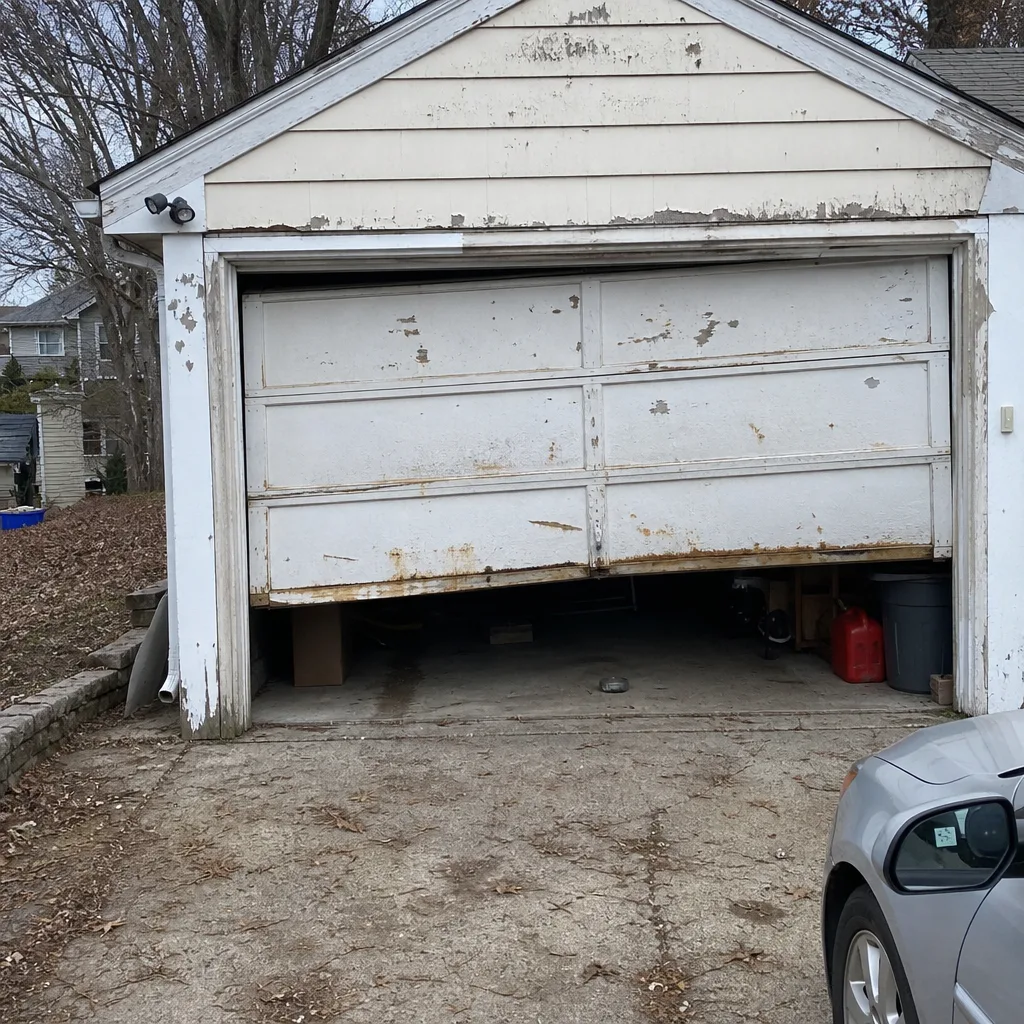
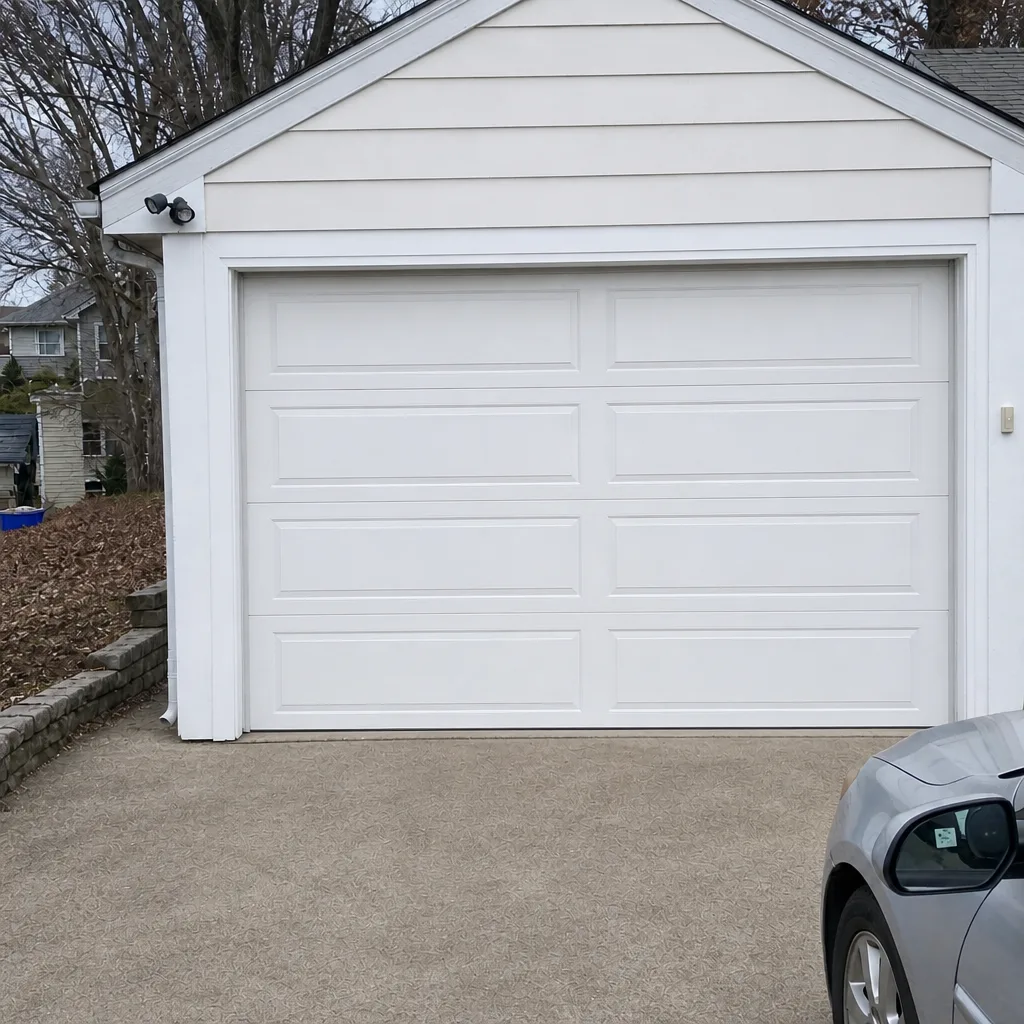
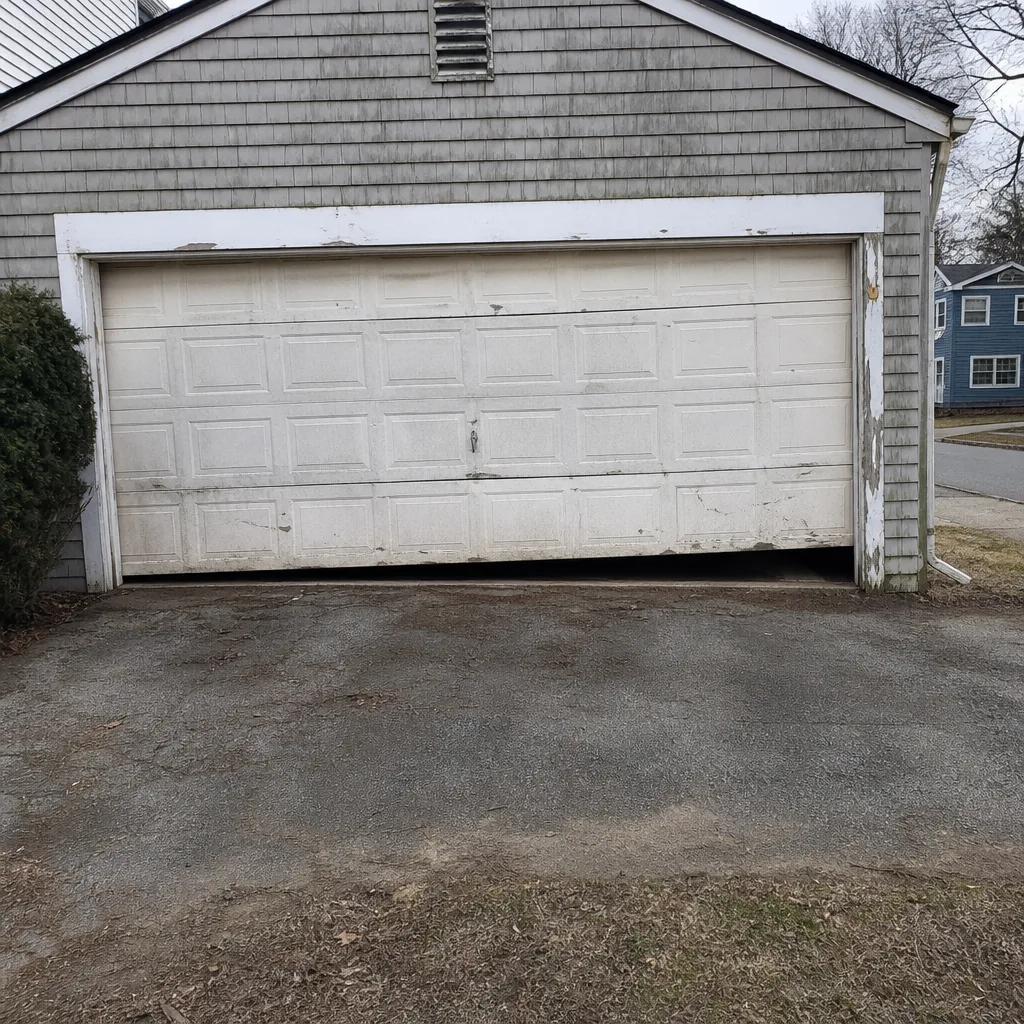
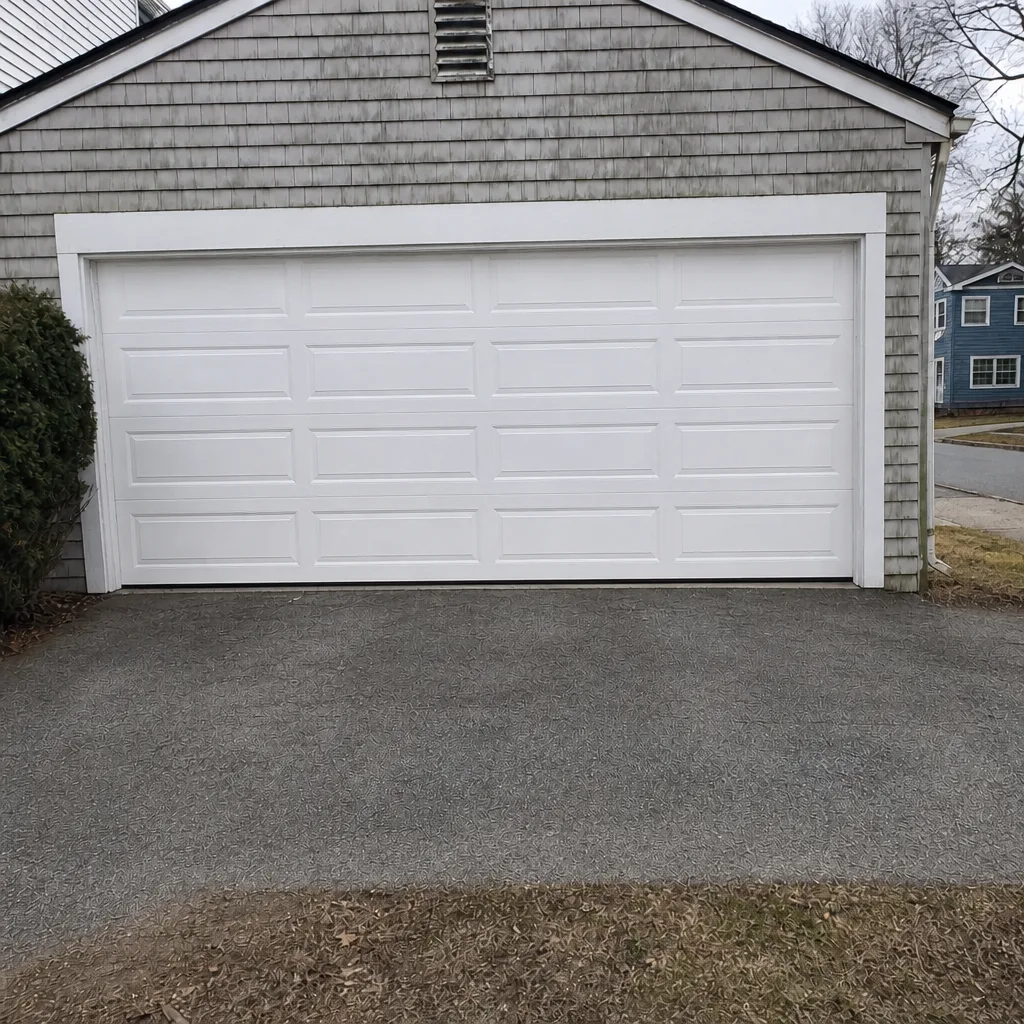
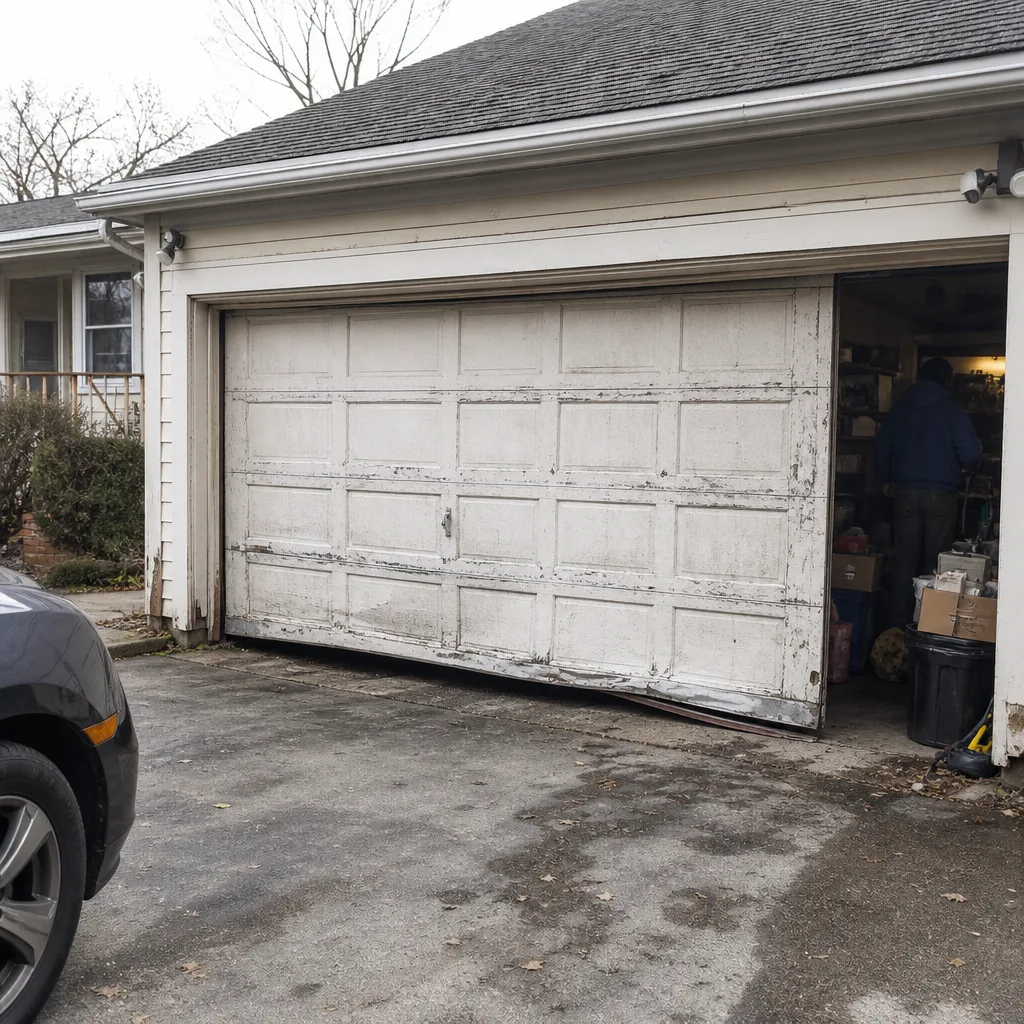
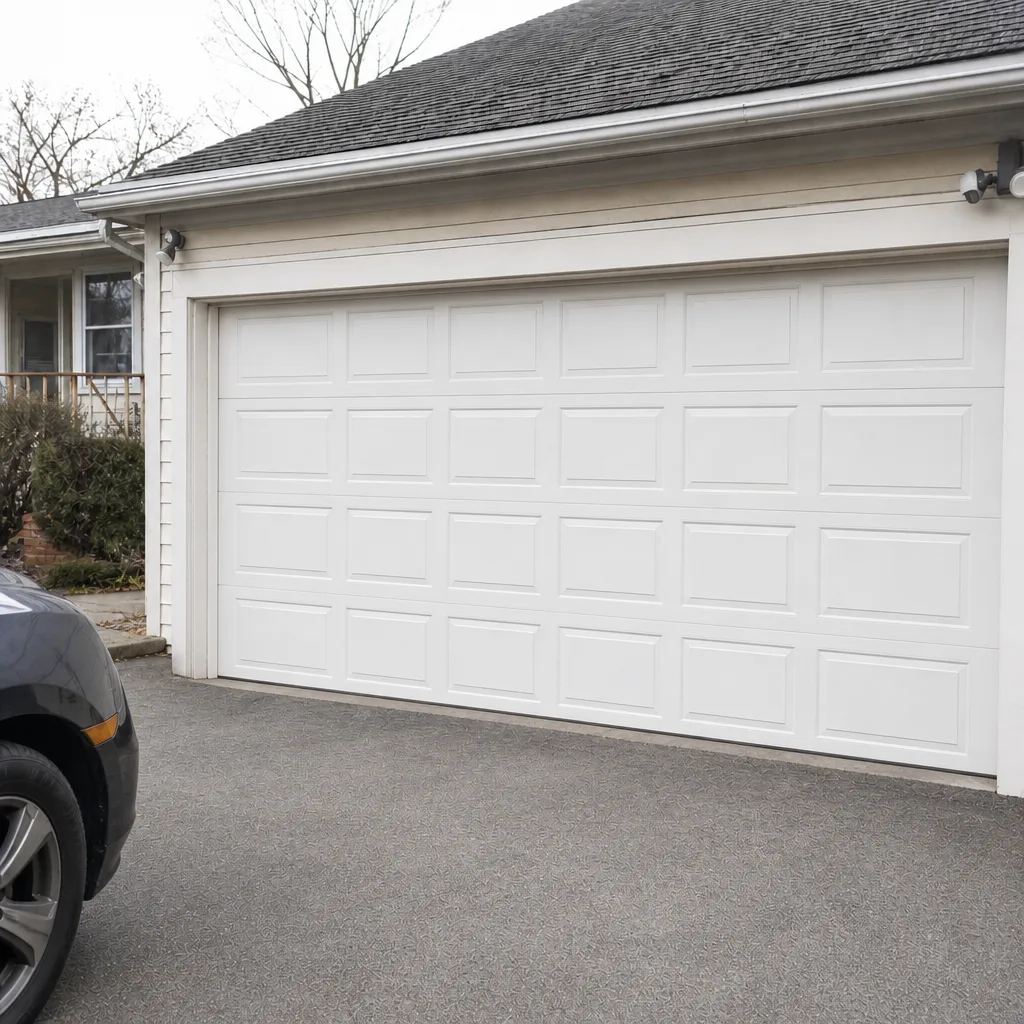
See the difference
 Before
 After
 Before
 After
 Before
 After
When to Call a Professional
Call a professional when the door shows any sign of spring, cable, or track trouble, when the safety reverse fails, when the opener runs but the door doesn’t move, or when the door has passed 7,000 cycles on its original springs and has never been inspected. Call also for any door that’s visibly crooked or that makes a loud bang or pop. Those are technician jobs, and no amount of lubricant fixes them. Taunton Garage Door Repair Co offers free estimates in Taunton – call (844) 491-7235. We’re a dedicated single-trade garage door company, which means every call we take is about a door or an opener, never a general handyman job. That kind of focus translates to fewer comeback visits and clearer answers. Whether you’re due for a spring inspection, an opener repair, or a new installation, we’re glad to help. Visit Taunton Garage Door Repair Co to learn more about what we do.
Frequently Asked Questions
Check your door monthly, test the safety reverse and balance quarterly, and lubricate twice a year. Springs, cables, and opener gears are on a cycle-based schedule, not a calendar one, so a technician should inspect them when your door is over seven years old or opens more than four times a day. Call (844) 491-7235 for an exact quote – estimates are free.
You can safely do the monthly walk-around, the quarterly balance and force tests, and the seasonal lubrication of hinges, rollers, and springs using the right products. Do not touch springs, cables, or the bottom bracket – those are under extreme tension and belong to a trained technician. If you’re unsure whether a task is safe, call (844) 491-7235 and we’ll tell you straight.
There’s no reliable way to predict a spring failure by looking at it – springs typically break without warning once they reach their rated cycle count. The best predictor is a cycle count. If you’re near 7,000 cycles on original springs, have a technician measure them before failure. Call (844) 491-7235 for a free estimate on a spring inspection.
No. WD-40 is a penetrating oil and solvent, not a lubricant, and it strips the spring’s protective coating and leaves it dry. Use a purpose-made garage door spring lubricant instead, and never WD-40 on spring coils. If you’d rather have a technician do the lubrication as part of a service visit, call (844) 491-7235.
Standard torsion springs are commonly rated around 10,000 cycles, and high-cycle springs last longer. At four cycles a day, that’s under seven years; at eight cycles a day, it’s just over three. Ask a technician to check your spring ratings and estimated remaining life. Call (844) 491-7235 for a free estimate.
We don’t recommend it. Torsion springs store hundreds of pounds of force, and mistakes cause serious injuries every year. Spring repair is a job for a trained technician – it’s also one of the tasks that can void most manufacturer warranties if done incorrectly. Call (844) 491-7235 – estimates are free and same-day emergency service is available.
The Bottom Line
Your garage door has more in common with a car than with a front door – it wears in cycles, not in months, and each part ages on its own schedule. A monthly visual check, quarterly safety tests, and twice-a-year lubrication cover most of what you can safely do. Springs, cables, and the opener belong to a technician, and they should be inspected based on your cycle count rather than a calendar reminder. In Taunton, the seasonal rhythm matters too: pre-winter lubrication and an October weatherstripping check prevent the most common cold-weather calls. When a part is due, having it handled on your schedule beats having it fail on someone else’s. If you’d like a hand with any of it, call us – we’re here to help.
Written by the team at Taunton Garage Door Repair Co.